
SS United States to Become World's Largest Artificial Reef in November
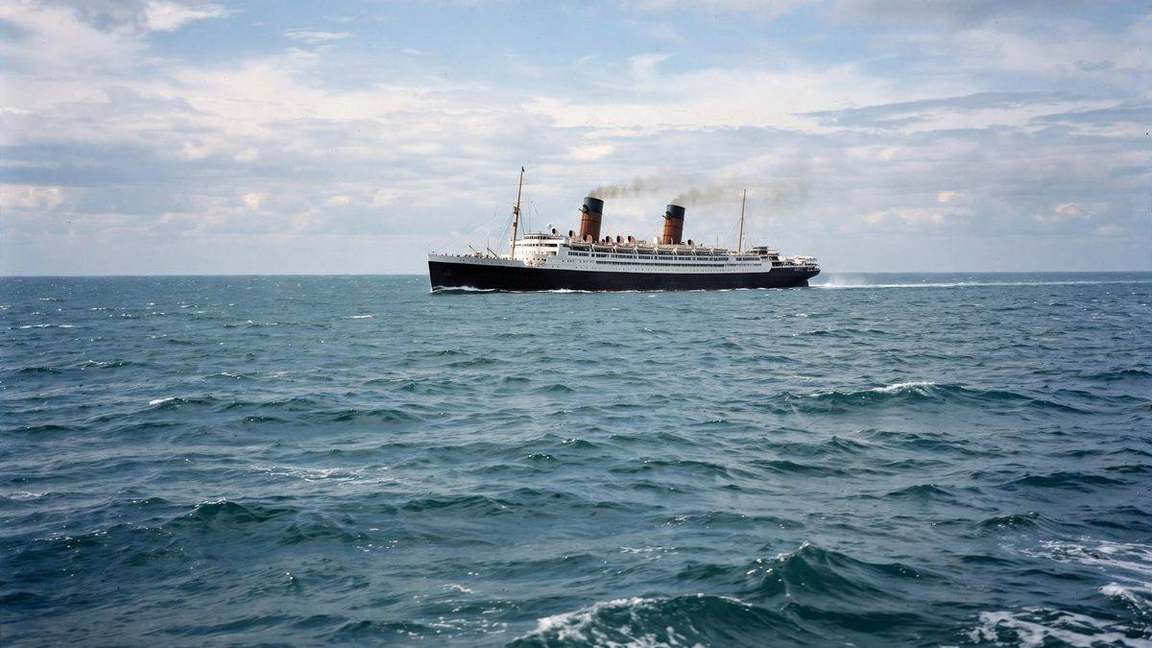
Okaloosa County will sink the record-holding liner SS United States off Destin in the second week of November, turning a 990-foot Cold War speed champion into the world's largest artificial reef.
Key points
- The fastest ocean liner ever built is going to the bottom of the Gulf of Mexico on purpose.
- The ship is hard to overstate.
- Okaloosa County bought the ship for 1 million dollars in 2024 from the SS United States Conservancy, the nonprofit that had owned her since 2011 and tried for years to save her as a museum or…
The fastest ocean liner ever built is going to the bottom of the Gulf of Mexico on purpose. Okaloosa County, Florida says it will sink the SS United States during the second week of November, about 22 nautical miles southwest of Destin, to create what officials expect to be the world's largest artificial reef. The Associated Press reported the plan on October 26, and county officials called it "an exciting move forward to create a one-of-a-kind resource for the environment and for our tourism industry." The exact date depends on the weather.
The ship is hard to overstate. She measures nearly 1,000 feet, about 990 feet long and longer than the Titanic, and weighs about 45,000 tons. On her maiden voyage in July 1952 she crossed the Atlantic in 3 days, 10 hours and 40 minutes, taking the Blue Riband for the fastest crossing from Britain's Queen Mary by about 10 hours. No passenger liner has beaten that record since. Her designer, William Francis Gibbs, built her to double as a fast military transport if the Navy ever needed one, and he liked to say you could not set her on fire, sink her or catch her. She averaged about 36 knots on that first crossing.
How a liner becomes a reef
Okaloosa County bought the ship for 1 million dollars in 2024 from the SS United States Conservancy, the nonprofit that had owned her since 2011 and tried for years to save her as a museum or waterfront development. The county's total commitment to the project is about 10.1 million dollars, including 1 million dollars set aside for a land-based museum. Pensacola tourism officials added 1.5 million dollars to help secure the final site, and Coastal Conservation Association Florida contributed 500,000 dollars. Crews in Mobile, Alabama spent months cleaning and preparing the hull: toxic materials removed, fuel and lubricant tanks emptied and cleaned, wiring, glass and plastic stripped, and areas unsafe for divers sealed off. The U.S. Army Corps of Engineers granted final approval and the EPA did not oppose the plan.
No explosives will be used. The ship will be towed to the site, held for about two days of final preparation, then sunk by controlled flooding. She is expected to settle upright on the seafloor at roughly 180 feet, with her top deck about 55 feet below the surface. The sinking will be live-streamed, and the Coast Guard will keep a security perimeter around the site, with private charters offering views from outside it.
Why it matters
The waters off Destin already hold more than 500 artificial reefs, and local officials expect this one to pull in divers, fishing charters and tourists from around the world, worth millions of dollars a year to local businesses. For the Conservancy, the reef is a second life rather than the scrapyard. Its president, Susan Gibbs, has said the ship "has inspired millions the world over as a symbol of American pride and excellence," and that as a reef she will become a unique historic attraction above and below the waterline. The land-based museum, planned near the departure points for dive tours, will display salvaged pieces including the ship's funnels and radar mast, along with artwork and other artifacts.
The context
The ship's working life was short. Air travel cut into the Atlantic trade through the 1960s, her operating costs overtook her income, and she was retired in 1969. She spent almost three decades tied up in Philadelphia from 1996, deteriorating at her pier, after earlier years laid up in Norfolk, Virginia and a trip to a shipyard in Ukraine in the 1990s to have asbestos removed. Owners and would-be developers came and went. A rent dispute in Philadelphia finally ended her stay there, and the county towed her about 2,000 miles to Mobile Bay in early 2025.
What happens next
The sinking window opens in the second week of November, weather permitting. After she settles, marine life will start colonising the hull, and dive operators will need the site surveyed and marked before regular tours begin. The museum project continues on shore. A ship that held the Atlantic speed record for more than 70 years is about to become the slowest attraction in Florida, and the county is betting that is exactly what divers want.
Key numbers
Length about 990 feet, longer than the Titanic. Maiden voyage crossing in 1952: 3 days, 10 hours, 40 minutes. Sinking site: about 22 nautical miles southwest of Destin. Project commitment: about 10.1 million dollars, with the ship bought for 1 million dollars in 2024. Resting depth: about 180 feet, top deck about 55 feet below the surface.
Timeline
- Jul 1952The SS United States crosses the Atlantic on her maiden voyage in 3 days, 10 hours and 40 minutes, taking the Blue Riband from the Queen Mary.
- Oct 2024Okaloosa County approves buying the ship and purchases her for 1 million dollars from the SS United States Conservancy.
- Oct 9, 2026Okaloosa County announces the sinking plan for the second week of November, about 22 nautical miles southwest of Destin.