
India Sets Sugar Diversion for Ethanol to Zero for 2026/27
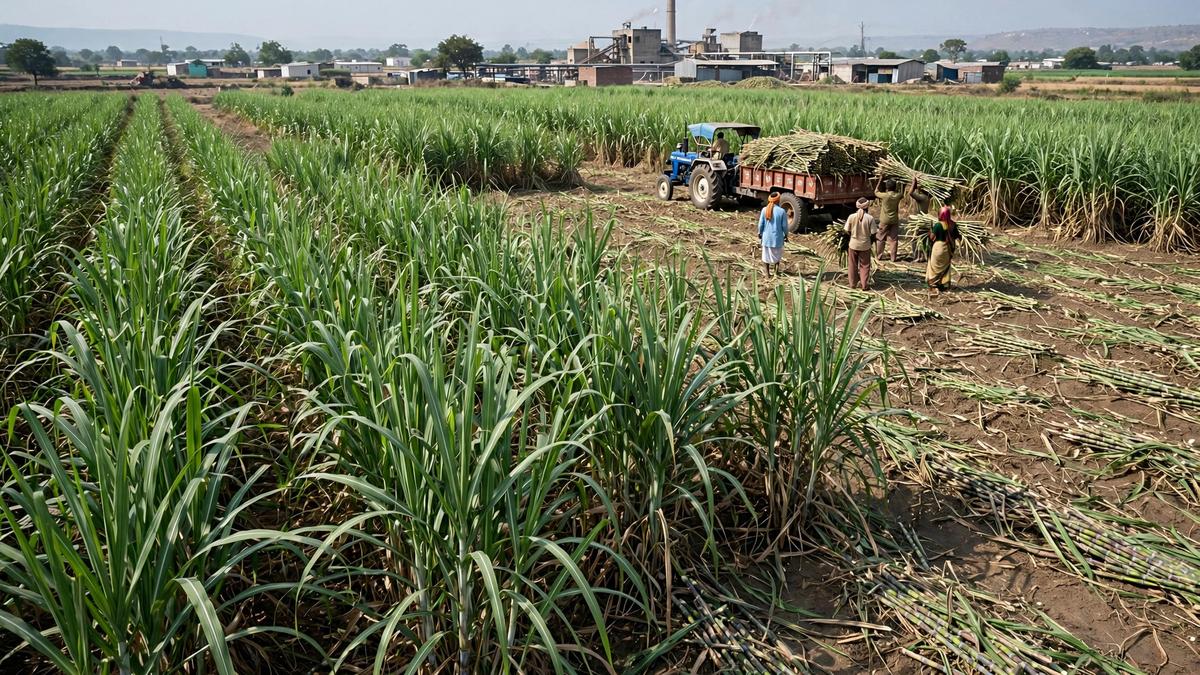
India told oil companies to seek no ethanol from sugarcane juice, syrup or B-heavy molasses in 2026/27, as high sugar prices and a weak cane crop force a choice between sugar supply and fuel blending.
Key points
- India has directed its oil marketing companies to cut sugar diversion for ethanol production to zero in the 2026/27 supply year, a sharp reversal for a programme that has relied on sugarcane to…
- The direction appeared in the latest ethanol tender, reported by Reuters on October 16, 2026.
- Indian Oil Corp, Bharat Petroleum Corp and Hindustan Petroleum Corp invited bids for 11 billion litres of ethanol for the supply year beginning in November.
India has directed its oil marketing companies to cut sugar diversion for ethanol production to zero in the 2026/27 supply year, a sharp reversal for a programme that has relied on sugarcane to blend more ethanol into petrol.
The direction appeared in the latest ethanol tender, reported by Reuters on October 16, 2026. The tender document said: "The Government of India has issued directions that sugar diversion for ethanol be reduced to zero for ethanol supply year 2026-27." It added: "No offers have been sought for ethanol produced from sugarcane juice, sugar or sugar syrup and B-heavy molasses in this quantity bid tender."
What changed in the tender
Indian Oil Corp, Bharat Petroleum Corp and Hindustan Petroleum Corp invited bids for 11 billion litres of ethanol for the supply year beginning in November. This time, bids must come from other feedstocks. The tender allows ethanol made from corn, broken rice and surplus rice from the Food Corporation of India.
The economics for corn ethanol also changed. The incentive for corn based ethanol was cut to 2.79 rupees per litre from 5.79 rupees per litre. That brings the procurement price to 68.86 rupees per litre from 71.86 rupees per litre. Producers who switched to corn in recent years now face a lower return, even as the government asks them to fill the gap left by sugar.
Why sugar won this round
India is the world's biggest sugar consumer. When sugar output falls, prices at home rise fast and the government faces pressure from households, food companies and state governments. This year the crop outlook has weakened at the same time.
On October 8, 2026, the United States Department of Agriculture Foreign Agricultural Service in New Delhi cut its view of India's 2026/27 sugar production to 29.5 million metric tons from 33.6 million metric tons. It cited a severe rainfall deficit. The sugarcane crop was projected at 434 million tons, down from 455 million tons.
The same assessment warned that water shortage risks mill operations and that drought-like conditions could complicate milling in early 2027. A smaller cane crop means less sugar, less molasses and tighter choices for mills that sell both sugar and ethanol. Diverting cane juice or syrup to fuel when sugar output is falling would tighten supply further and push prices higher.
What it means for fuel blending
India made E20 petrol the nationwide mandatory standard earlier this year. E20 contains 20 percent ethanol. The government promoted the blend to cut pollution and reduce oil imports. Some motorists fear the blend could damage older vehicles, a concern that has kept public debate alive even as pumps switched over.
Zero sugar diversion does not end E20, but it makes the target harder to hit from cane alone. Oil companies must now secure more ethanol from corn and rice, build supply in regions close to grain stocks, and manage transport costs. If grain ethanol falls short, blenders may need to buy more, pay more or accept slower growth in supply. The cut in the corn incentive points the other way, toward tighter margins for grain distillers.
For sugar mills, the order protects sugar sales at a time of high prices, but it removes a reliable ethanol outlet for juice and syrup. Mills that invested in distilleries will push for clarity on what cane streams remain eligible and for how long the zero diversion rule will last.
What happens next
The tender will show whether corn and rice can cover 11 billion litres at the new price. Watch bid volumes, the share offered from each feedstock, and any later tender that reopens cane routes. Also watch sugar prices, rainfall data and mill crushing in early 2027. If the cane crop recovers, the government could ease the rule. If drought tightens supply again, sugar will stay protected and grain will carry the blending programme for another year.
Timeline
- Oct 8, 2026USDA Foreign Agricultural Service in New Delhi cut India's 2026/27 sugar production view to 29.5 million metric tons from 33.6 million tons on a severe rainfall deficit.
- Oct 16, 2026Reuters reported the ethanol tender directing sugar diversion to zero for 2026/27 and seeking 11 billion litres from corn and rice.