
Hezbollah Says Seized Explosives Were Its Own, Meant for Israeli Troops
A Hezbollah lawmaker said the 780 kilograms seized on the Bekaa to Beirut highway belonged to the group. Washington told Lebanon that returning them should be out of the question.
Key points
- Updated 23:52 UTC, Oct 15, 2026.
- BEIRUT: Hezbollah said on Thursday, Oct 15, that a large load of explosives seized by Lebanese security forces last week belonged to the group and was meant to be used against Israeli troops in…
- Lawmaker Hassan Fadlallah told reporters at parliament in Beirut that the vehicle and its cargo belonged to Hezbollah.
Updated 23:52 UTC, Oct 15, 2026. Developing story.
BEIRUT: Hezbollah said on Thursday, Oct 15, that a large load of explosives seized by Lebanese security forces last week belonged to the group and was meant to be used against Israeli troops in southern Lebanon.
Lawmaker Hassan Fadlallah told reporters at parliament in Beirut that the vehicle and its cargo belonged to Hezbollah. He said the group contacted security agencies at once, demanded the explosives back, and called for the two detained men to be released. He rejected claims that the load was meant for attacks inside Lebanon and said it was intended only for use against Israeli forces occupying Lebanese land.
What was seized
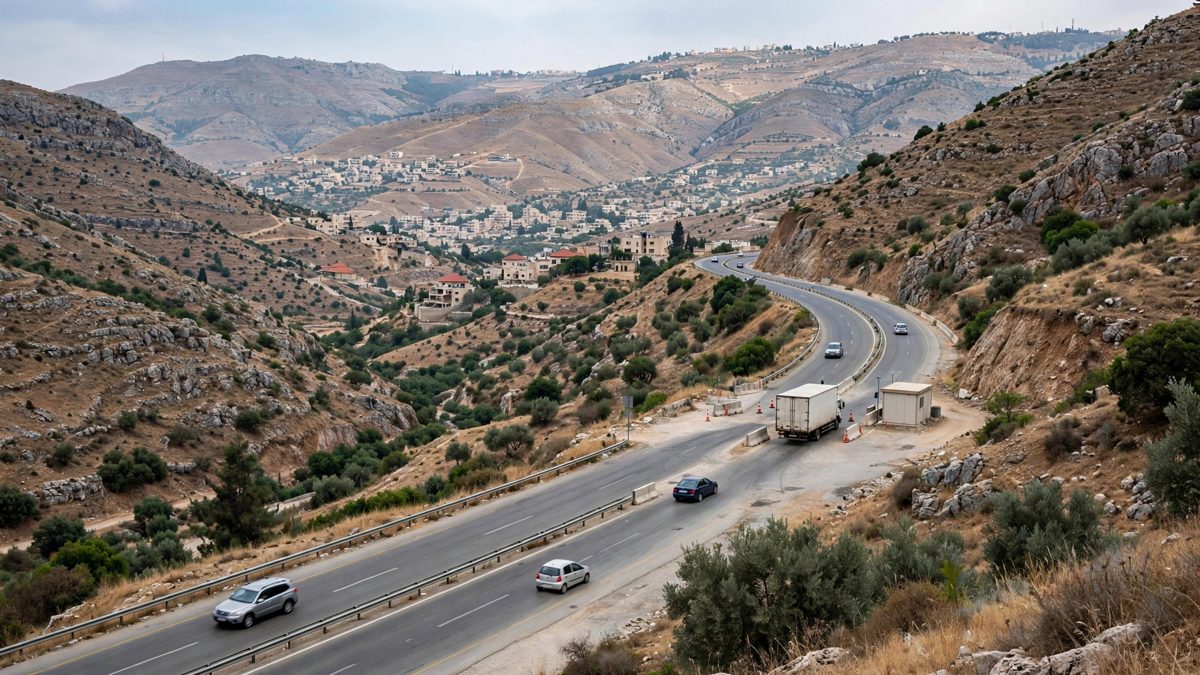
Lebanese authorities stopped the vehicle at a checkpoint on the main highway that links Beirut with the eastern Bekaa Valley. Reporting based on judicial officials put the load at 780 kilograms of explosives, including 250 kilograms of TNT and 250 kilograms of C-4. Prime Minister Nawaf Salam said the truck was stopped in the Dahr al-Baydar area as it travelled from the Bekaa toward Beirut, after officers grew suspicious of its heavy load. Two men were arrested.
A Hezbollah official and a Lebanese security source told Reuters the explosives were meant to go into explosive drones aimed at Israeli troops. Lebanese investigators have not confirmed that detail in public. Salam said the investigation would expand and promised no leniency for anyone found responsible.
When the seizure was first announced, officials did not say who owned the vehicle. That silence fed worry in Lebanon that the explosives were meant for car bombings or assassinations inside the country. Fadlallah called those accusations unfounded.
Washington steps in
US Secretary of State Marco Rubio raised the seizure in a call on Thursday with President Joseph Aoun, a State Department official said. Rubio urged Lebanon to hold accountable the people who ordered, financed and directed the shipment, and said returning the explosives to Hezbollah should be out of the question. He also urged direct military contact between Lebanese and Israeli forces to avoid clashes.
Aoun told Rubio that the army and security forces were carrying out orders to prevent armed displays, seize weapons and fight smuggling, the Lebanese presidency said. He said courts would pursue the cases sent to them with no leniency. Aoun also asked Washington to press Israel to halt attacks on towns and villages in southern Lebanon.
A test for Beirut
The admission puts fresh pressure on the government promise to bring all weapons in Lebanon under state control. On March 2, the government banned Hezbollah military activities, hours after the group fired rockets at Israel in support of Tehran. That move pulled Lebanon into the regional war that began on February 28, when the United States and Israel struck Iran.
Under a deal reached this year through US-brokered talks, Beirut has vowed to disarm Hezbollah, and Israeli troops would then withdraw in stages from Lebanese land. Hezbollah has refused to give up its weapons while Israeli forces remain in Lebanon, and Israel has kept striking targets in the south, saying its operations are aimed at Hezbollah.
The group lost its main arms supply route through Syria after its ally Bashar al-Assad was ousted in late 2024. Lebanese troops seized and destroyed Hezbollah depots in the south during 2025, but that work paused when the new war began. Thursday's claim shows the group is still moving military material across the country, and it leaves the government to decide what happens next to the explosives, the two detainees and the men who sent them.
Timeline
- Feb 28, 2026The United States and Israel strike Iran, starting the regional war that later pulls Lebanon in.
- Mar 2, 2026Lebanon bans Hezbollah military activities, hours after the group fires rockets at Israel in support of Tehran.
- Oct 15, 2026Hezbollah lawmaker Hassan Fadlallah tells reporters at parliament that the explosives seized last week belonged to the group and were meant for use against Israeli troops.
- Oct 15, 2026US Secretary of State Marco Rubio tells President Joseph Aoun that returning the explosives to Hezbollah should be out of the question.