
India Top Court Presses Centre to Cap Prices of All Medicines
The Supreme Court bench gave the Centre until Oct. 27 to work out price cap plans beyond cancer drugs, after the government capped cancer drug trade margins at 30 percent, a move it says will save patients 2,500 crore rupees a year.
Key points
- NEW DELHI: India's Supreme Court has told the central government to come back by Oct. 27 with a plan for capping medicine prices far beyond cancer drugs, after the government said it will cap…
- The hearing was on Monday, Oct. 12.
- The bench was not satisfied.
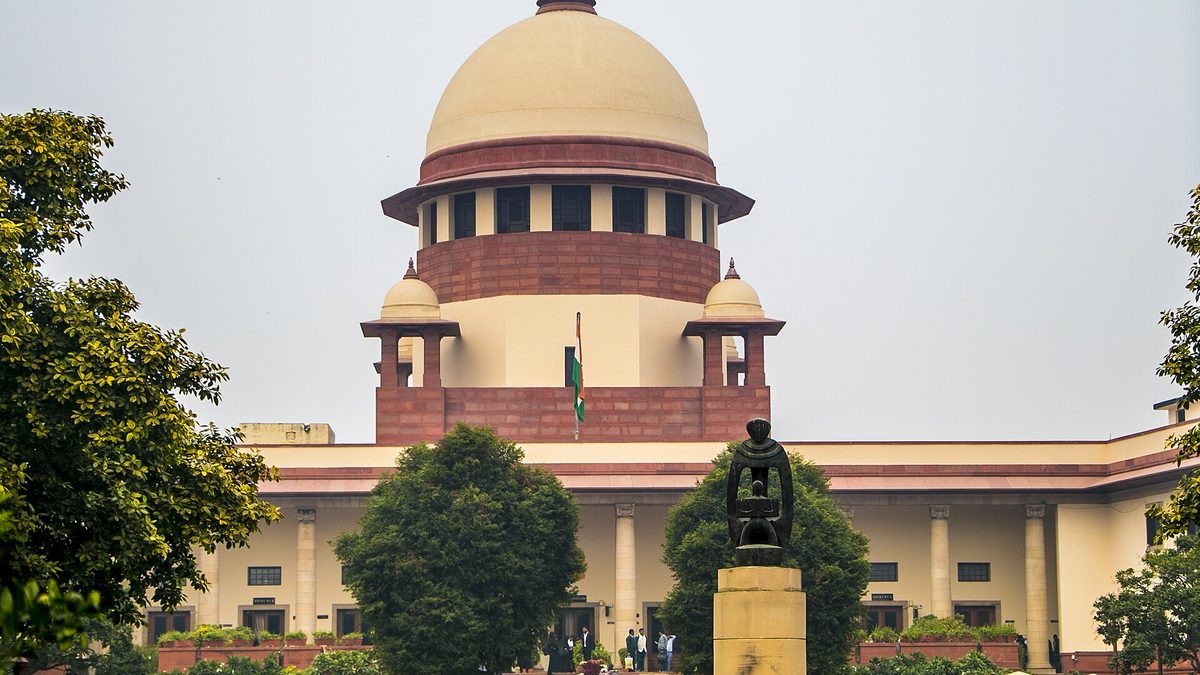
NEW DELHI: India's Supreme Court has told the central government to come back by Oct. 27 with a plan for capping medicine prices far beyond cancer drugs, after the government said it will cap trade margins on anti-cancer medicines at 30 percent of the maximum retail price. A bench of Justice Vikram Nath and Justice Sandeep Mehta called the cancer only move welcome but nowhere near enough, and asked the question patients across India ask at pharmacy counters: if margins can be capped for one set of drugs, why not for the rest?
The hearing was on Monday, Oct. 12. The government told the court the margin cap on a notified list of anti-cancer drugs is expected to cut their retail prices by 20 to 70 percent and save patients about 2,500 crore rupees a year. An expert committee will recommend the covered list, and the list will be updated from time to time. The decision followed the 151st meeting of the National Pharmaceutical Pricing Authority on Oct. 8.
The bench was not satisfied. It said there was hardly anything to be happy about in a measure limited to cancer medicines, and pointed at the gaps it has flagged before. A saline drip with a cost of 11 rupees sold for 270 rupees. An Indian made cardiac stent with a price to retailer of 5,000 rupees carried a retail price of 25,000 rupees. Justice Mehta asked whether a cap at 16 percent, the retailer margin built into the existing price control formula for scheduled drugs, would not cut the cost of procedures themselves, since doctors' choices can be shaped by the margins on the medicines and devices they use.
Why it matters
Most medicine in India is paid for out of pocket. The petition before the court says about 82 percent of medicines sit outside the scheduled list under the Drugs (Prices Control) Order of 2013, which means most drugs have no ceiling price fixed in advance. Their makers can raise the retail price by up to 10 percent a year, and the gap between what the trade pays and what the patient pays can be very wide. The government's own affidavit accepts that hospitals buy from makers offering the highest trade margins and then sell at full retail price, with margins of 170 to 700 percent or more on cancer medicines, and 100 to 1,000 percent or more on hospital consumables.
That is the gap the court is aiming at. A 30 percent margin cap on cancer drugs alone, by the government's own estimate, saves patients 2,500 crore rupees a year. Applied across the full range of non-scheduled medicines, the same kind of cap would reach almost every prescription filled in the country.
The context
India has done this in pieces before. In 2019, the pricing authority capped trade margins at 30 percent at the first point of sale on 42 select non-scheduled anti-cancer medicines. The government told the court that move cut the retail price of 526 brands and saved patients about 984 crore rupees a year, based on company data. The new decision extends that approach to a wider notified list of cancer drugs.
The government also argued caution. Its affidavit says trade margins cannot be set at one flat level for every medicine, because distribution costs differ by product and by place, and a ham-handed cap could hurt the availability of medicines in remote areas. Additional Solicitor General Aishwarya Bhati told the court that pricing is only one part of policy, that balance is needed between affordability and availability, and that India already has some of the lowest medicine prices in the world. Solicitor General Tushar Mehta appeared with her for the government.
The bench gave the government until Oct. 27 to work out the modalities for capping medicine prices, and listed the matter for further hearing that day.
What happens next
Oct. 27 is now the date to watch. The government must either bring a wider plan, covering other essential medicines and devices, or explain in detail why a wider cap would break supply. The court has floated a uniform idea, a retail price no more than 16 percent above the price to the retailer, but has not ordered it. Industry groups will argue the distribution point hard. Patient groups will bring bills. Either way, the cancer cap itself goes ahead, and its notified list and first price cuts will show, in real rupees, how much room there is between trade margins and patient prices across the rest of the pharmacy.
Key numbers
Cancer drug trade margin cap: 30 percent of retail price. Expected retail price cuts: 20 to 70 percent. Expected patient saving: about 2,500 crore rupees a year. Medicines outside the scheduled price list: about 82 percent, per the petition. Cancer margins cited by the government: 170 to 700 percent or more. The 2019 cap covered 42 drugs and 526 brands, saving about 984 crore rupees a year. Next hearing: Oct. 27, 2026.
Timeline
- Oct 8, 2026The National Pharmaceutical Pricing Authority holds its 151st meeting, where the cancer margin decision is considered.
- Oct 12, 2026The government tells the Supreme Court it will cap anti-cancer drug trade margins at 30 percent. The bench asks why other medicines are left out.
- Oct 27, 2026The government must return with modalities for capping medicine prices, and the case is heard again.