
Appeals Judges Lean Toward Reviving North Carolina Abortion Pill Rules
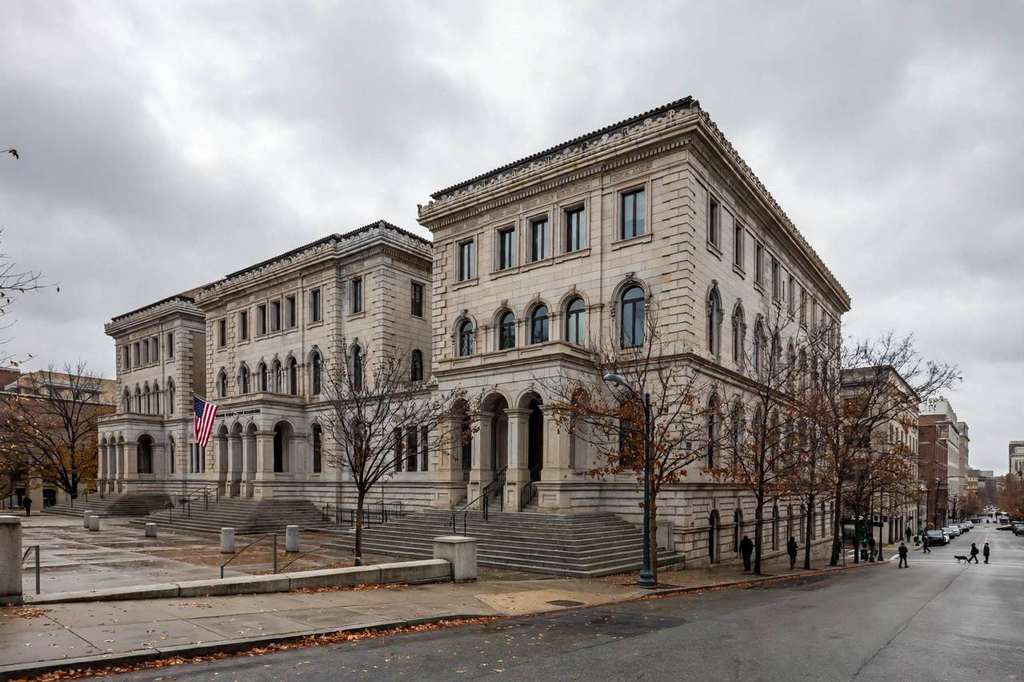
A 4th Circuit panel in Richmond sounded ready on Wednesday to let North Carolina restore in person prescribing and follow up rules for mifepristone, in a case that tests whether FDA rules set a ceiling on state drug laws.
Key points
- A three judge panel of the 4th US Circuit Court of Appeals in Richmond, Virginia, heard arguments on Wednesday in a case that could let North Carolina restore in person rules for the abortion pill…
- The case, brought by North Carolina doctor Amy Bryant, challenges a state law that says abortion drugs may be prescribed only by doctors, only in person, and that patients must schedule in person…
- US District Judge Catherine Eagles in Greensboro ruled in 2024 that federal rules preempt the state requirements on in person dispensing.
A three judge panel of the 4th US Circuit Court of Appeals in Richmond, Virginia, heard arguments on Wednesday in a case that could let North Carolina restore in person rules for the abortion pill mifepristone.
The case, brought by North Carolina doctor Amy Bryant, challenges a state law that says abortion drugs may be prescribed only by doctors, only in person, and that patients must schedule in person follow up appointments. Republican state lawmakers appealed to the 4th Circuit after a lower court blocked parts of the law.
The preemption fight
US District Judge Catherine Eagles in Greensboro ruled in 2024 that federal rules preempt the state requirements on in person dispensing. The Food and Drug Administration had set the rules for how mifepristone is dispensed, and in 2023 the agency repealed similar federal in person requirements. Eagles reasoned that because the FDA rules explicitly cover in person dispensing, the state could not put its own version back in place.
Judge Julius Richardson pushed back hard on that logic during Wednesday's argument. He said the conclusion cuts against the US Supreme Court's 2022 ruling in Dobbs v. Jackson Women's Health, which overturned Roe v. Wade and returned the regulation of abortion to the states and their voters. Richardson, an appointee of President Donald Trump, asked whether the FDA's failure to act is supposed to trump Dobbs and the decision to return abortion regulation to the people. He put the question to North Carolina Solicitor General Nick Brod, who argued for the state and for Democratic Attorney General Jeff Jackson.
Bloomberg Law reported that Richardson also pointed to a 2025 ruling by a different 4th Circuit panel, in a West Virginia case, which treated federal drug rules as a floor rather than a ceiling and left states free to set stricter safety requirements. Law360 reported that a judge on the panel sharply questioned the lawyer for Bryant, citing the same floor and not ceiling line of cases.
What is at stake
No ruling came on Wednesday. The panel took the case under advisement.
If the appeals court revives the North Carolina rules, other states could read the ruling as a green light to write their own conditions on the abortion pill, including rules that bar providers from prescribing it through telemedicine, Reuters reported. The FDA's 2023 removal of the in person dispensing requirement is already being challenged in separate lawsuits by Republican led states, so the North Carolina case is one of several live fights over who sets the terms for the drug, the federal regulator or the states.
For patients in North Carolina, the practical question is whether a prescription can again require two in person visits, one to receive the drug from a doctor and one for follow up, or whether the current federal framework stands.
The road here
North Carolina lawmakers wrote the in person requirements into state law as part of their post Dobbs abortion rules. Bryant sued, arguing the FDA had already decided which safety conditions the drug needs. The district court agreed with her on the dispensing rules in 2024. Republican legislative leaders carried the appeal, arguing that a federal agency's silence should not erase a state's safety law.
The 4th Circuit covers Maryland, Virginia, West Virginia, North Carolina and South Carolina, and its ruling will bind trial courts across those states.
Timeline
- 2022The US Supreme Court rules in Dobbs v. Jackson Women's Health, overturning Roe v. Wade and returning abortion regulation to the states.
- 2023The Food and Drug Administration repeals its own in person dispensing requirements for mifepristone.
- 2024US District Judge Catherine Eagles rules in Bryant's case that federal rules preempt North Carolina's in person dispensing requirements.
- 2025A different 4th Circuit panel rules in a West Virginia case that federal drug rules set a floor rather than a ceiling, leaving states free to add safety requirements.
- Oct 28, 2026A 4th Circuit panel in Richmond hears arguments in the North Carolina case, with Judge Julius Richardson questioning whether FDA inaction can override Dobbs.