
Supreme Court Takes DOGE Records Fight, Its Second Look at the Case
The justices agreed on Tuesday to decide whether the Trump administration must hand over records about the Department of Government Efficiency to a watchdog group that sued under the Freedom of Information Act.
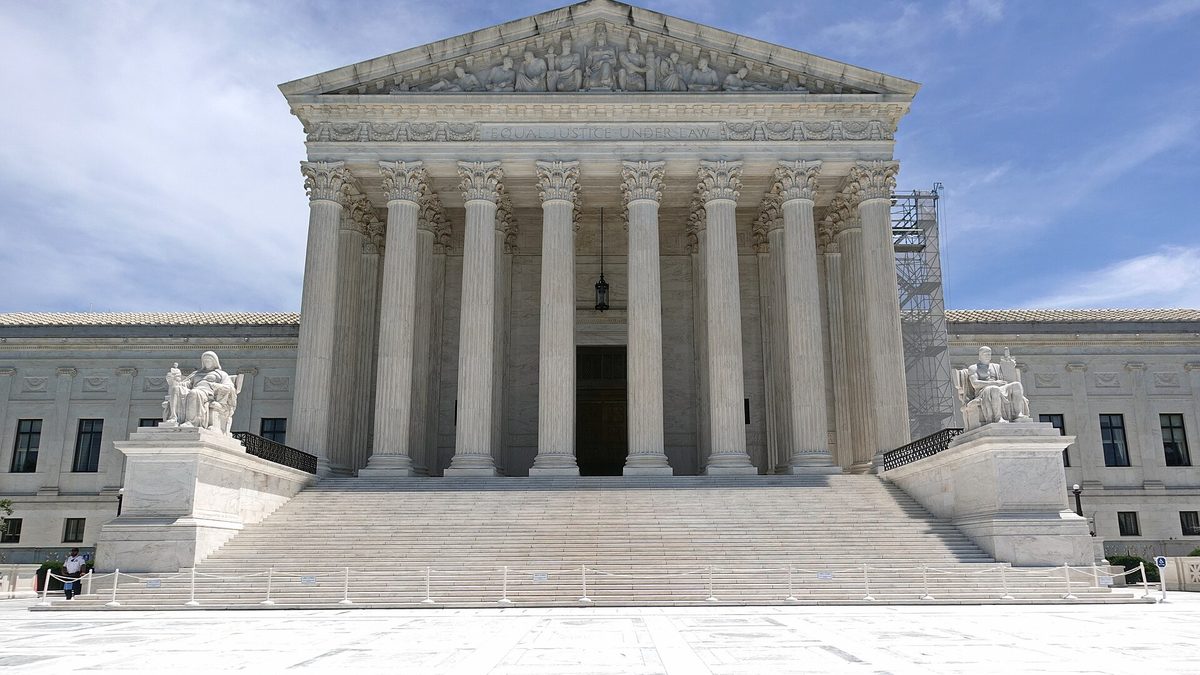
Key points
- WASHINGTON: The Supreme Court agreed on Tuesday, Oct. 13, to hear the Trump administration's fight against handing over records about the Department of Government Efficiency, the cost cutting…
- The case comes from Citizens for Responsibility and Ethics in Washington, known as CREW, a watchdog group that asked for DOGE records in early 2025.
- The ruling will set the line between advice and action inside the White House.
WASHINGTON: The Supreme Court agreed on Tuesday, Oct. 13, to hear the Trump administration's fight against handing over records about the Department of Government Efficiency, the cost cutting drive that reshaped federal agencies in the first months of President Donald Trump's second term. It is the second time the court has stepped into the same lawsuit.
The case comes from Citizens for Responsibility and Ethics in Washington, known as CREW, a watchdog group that asked for DOGE records in early 2025. CREW wants information about how the effort was organized and run, including its organizational chart and financial disclosures. The group argues that DOGE acted as a federal agency, with real power over budgets and staff, and that agencies must answer requests under the Freedom of Information Act, or FOIA. The administration argues the opposite. In its telling, DOGE was a presidential advisory body inside the Executive Office of the President, and advisory bodies sit outside FOIA.
Why it matters
The ruling will set the line between advice and action inside the White House. If a unit that advises the president can also direct agencies, hire and fire staff, and cancel programs, the court will have to say whether the public can use FOIA to see its paperwork. That answer will reach far beyond DOGE. Future administrations will design new White House units with this decision open on the desk.
The case also tests how much of the early Trump agenda can still be examined. A government watchdog office, the Government Accountability Office, said in an August report that it could not confirm the savings DOGE claimed, and that DOGE had taken credit for savings that did not hold up, including leases canceled before DOGE existed. CREW's lawsuit is one of the few tools left that could produce the internal records behind those claims.
The context
Trump created DOGE by executive order on his first day back in office in January 2025, with what the order called an 18 month agenda. The effort was led at first by Elon Musk. It moved fast. Teams entered agencies, the federal workforce shrank, some agencies were dismantled in practice, and spending was redirected toward the president's priorities. On July 4, 2025, DOGE announced on social media that its formal mission had come to an end.
The legal fight moved almost as fast. In April 2025, US District Judge Christopher Cooper ruled for CREW and ordered DOGE to process the records request on an expedited basis, finding that DOGE likely counted as an agency covered by FOIA. A panel of the US Court of Appeals for the District of Columbia Circuit refused to halt that order. The administration went to the Supreme Court, and in June 2025 the court's conservative majority set aside part of Cooper's order, saying he had ruled too broadly when he ordered documents turned over. The justices pointed to separation of powers concerns and said courts should show deference and restraint before ordering the executive branch to hand over internal communications.
That did not end the case. Cooper issued a revised order. The administration appealed again, arguing that the revised order still demands too much disclosure, that the appeals court ignored the Supreme Court's direction, and that the case wrongly allows CREW to take sworn testimony from DOGE's acting administrator, Amy Gleason. Government lawyers told the justices that putting advisory bodies through intrusive discovery raises the exact concerns Congress meant to avoid when it left presidential advisory bodies out of FOIA. On Tuesday the court granted the administration's petition, listed as US DOGE Service v. US District Court for the District of Columbia, No. 25-1103, without giving reasons and without ordering any records released now.
CREW says it will keep pushing. Its chief legal counsel, Nikhel Sus, said the group will continue to pursue transparency for the American people, who he said deserve to know the details of the effort to remake the federal government.
What happens next
The court is expected to hear arguments and rule by the end of June, with arguments likely in early 2027 on some schedules published around the order. Until then, the records stay closed. If CREW wins, DOGE related records from the first year of Trump's second term would have to be processed and released, with only the normal FOIA exemptions applied. If the administration wins, White House units built like DOGE will carry a strong shield against records requests, and Congress and inspectors general will be the main channels left for oversight.
Key numbers
DOGE was created in January 2025 and announced the end of its formal mission on July 4, 2025. The Supreme Court first intervened in June 2025. This is the court's second intervention in the same lawsuit. The petition granted on Oct. 13 is docket No. 25-1103. A decision is expected by the end of June.
Timeline
- Jan 2025Trump creates DOGE by executive order and CREW files its FOIA request for DOGE records.
- Apr 2025Judge Christopher Cooper rules for CREW and orders expedited processing of the request.
- Jun 2025The Supreme Court sets aside part of the disclosure order, saying it was too broad.
- Jul 4, 2025DOGE announces on social media that its formal mission has come to an end.
- Oct 13, 2026The Supreme Court agrees to hear the administration's appeal, docket No. 25-1103.