
Nepal Suspends Trekking Permits as Snowstorm and Avalanche Risk Rises
New permits for restricted Himalayan areas are paused for the October 29 to 31 risk window as Cyclone Arnab pushes heavy snow toward the mountains, and trekkers already out are told to shelter in place.
Key points
- Nepal has stopped issuing new trekking permits for restricted areas in its high hill and Himalayan regions while a Bay of Bengal cyclone pushes heavy snow toward the mountains.
- Trekkers who are already on the trails in the affected regions have been told to stop moving and stay in safe locations until the weather clears.
- The system driving the warning is Cyclone Arnab, which has been strengthening over the Bay of Bengal.
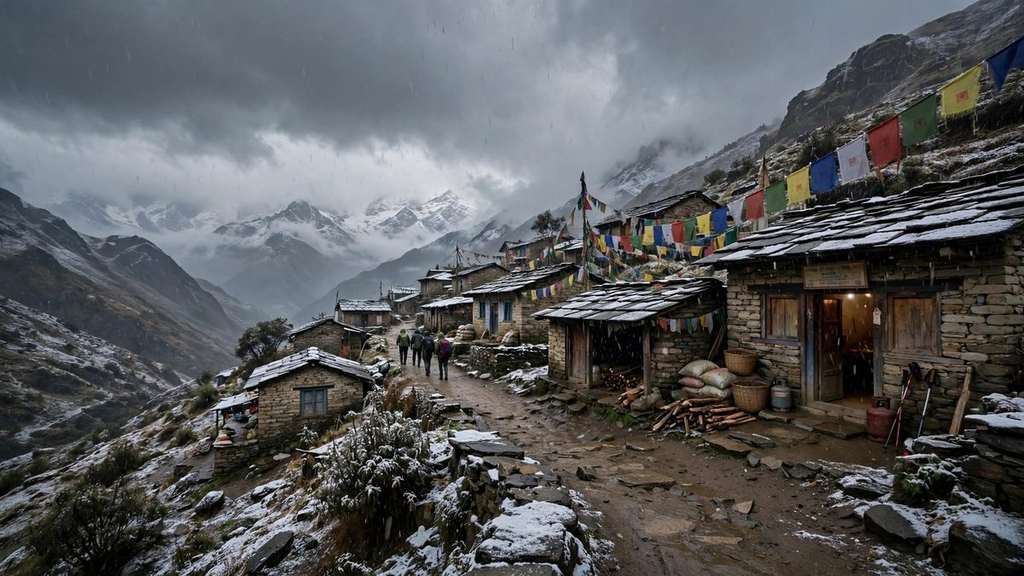
Nepal has stopped issuing new trekking permits for restricted areas in its high hill and Himalayan regions while a Bay of Bengal cyclone pushes heavy snow toward the mountains. The Department of Immigration issued the notice on October 27, acting on a warning from the National Disaster Risk Reduction and Management Authority. The risk window runs from October 29 to 31, with forecasts of heavy snowfall, snowstorms and avalanches in high altitude areas.
Trekkers who are already on the trails in the affected regions have been told to stop moving and stay in safe locations until the weather clears. The department also asked trekking agencies, guides, porters and other stakeholders to follow the advisory. Some early reports gave the restricted window as October 28 to 30. The notice as reported by most outlets covers October 29 to 31, and officials say the dangerous weather reaches Nepal from the night of October 29.
The weather behind the order
The system driving the warning is Cyclone Arnab, which has been strengthening over the Bay of Bengal. Reports on Wednesday, October 28 said the cyclone had made landfall on India's Andhra Pradesh coast, and its moisture is now expected to move toward Nepal. Nepal's Department of Hydrology and Meteorology warned the system could affect the country from October 28 to November 1, with Friday and Saturday expected to be the most active days.
Wet, heavy snow is the core danger. Forecasters quoted in local coverage put the snow line dropping to around 3,500 metres in the east of the country. Snow of that kind loads slopes quickly and raises avalanche risk on the high passes that autumn treks depend on, while whiteout conditions can strand walkers between villages.
What the suspension covers, and what it does not
The Department of Immigration issues permits for restricted trekking areas, which include regions such as Upper Mustang and Dolpo. Those permits cannot be applied for individually and must go through a registered trekking agency, so the suspension lands on agencies first. Permits that were already issued have not been cancelled, but their holders have been asked to pause their journeys during the risk window.
Other regions use conservation area and national park permits issued by different bodies, and those are not covered by this order. The official advice, though, is broader than the permit rule: all trekkers are urged to stay out of high risk areas until conditions improve, whichever permit they carry.
Why it matters
October is peak trekking season in Nepal, when trails to Everest, Annapurna, Mustang and Dolpo carry their heaviest traffic of the year. A three day halt at the height of the season hits airlines flying into mountain airstrips such as Lukla and Jomsom, tea houses along the routes, and the guides and porters whose income depends on these weeks. The disaster authority also warned that road and air transport could be disrupted more widely, and told people to stay away from riverbanks where flooding is possible after heavy rain at lower altitudes.
For families abroad with relatives on the trails, the practical advice from officials is consistent across every notice: do not start a high trek during the window, stay in a village or lodge if you are already up high, keep in contact with your agency, and wait for an updated official notice before moving again.
What happens next
The suspension is tied to the forecast, not to a fixed policy change. Updated forecasts from the Department of Hydrology and Meteorology, together with fresh notices from immigration and disaster officials, will decide whether permits resume after October 31 or the halt is extended. If the snow arrives as forecast, trail conditions above the snow line may stay dangerous for days after the storm itself passes, because fresh snow needs time to settle before high passes are safe to cross.
Timeline
- Oct 27, 2026Nepal's Department of Immigration issues the notice suspending new restricted area trekking permits, acting on the disaster authority's warning.
- Oct 28, 2026Reports say Cyclone Arnab has made landfall on India's Andhra Pradesh coast; Nepal's weather department warns of effects from October 28 to November 1.
- Oct 29-31, 2026Risk window: heavy snowfall, snowstorms and avalanche danger forecast for high hill and Himalayan regions; trekkers told to shelter in safe locations.