
Appeal Court Rules UNDRIP Act Does Not Bind Canada's Nuclear Regulator
A unanimous Federal Court of Appeal decision says the declaration act sets a framework for government, not a duty for the regulator that approved the Chalk River waste facility, overturning a 2025 ruling that had ordered new consultations.
Key points
- Canada's Federal Court of Appeal has ruled that the federal law aligning Canadian law with the United Nations Declaration on the Rights of Indigenous Peoples did not put the declaration's articles…
- The unanimous decision, Canadian Nuclear Laboratories Ltd.
- The case concerns the Near Surface Disposal Facility, a planned repository for low-level radioactive waste at the Chalk River Laboratories site, about 200 kilometres northwest of Ottawa.
Canada's Federal Court of Appeal has ruled that the federal law aligning Canadian law with the United Nations Declaration on the Rights of Indigenous Peoples did not put the declaration's articles into force, and that the country's nuclear regulator had no duty to apply them when it approved a permanent radioactive waste facility near the Ottawa River.
The unanimous decision, Canadian Nuclear Laboratories Ltd. v. Kebaowek First Nation, 2026 FCA 174, was released on October 16 and written by Justice Wyman W. Webb. It allowed the appeal by Canadian Nuclear Laboratories, dismissed Kebaowek First Nation's cross-appeal and its application for judicial review, and overturned a 2025 Federal Court ruling that had ordered new consultations with the Algonquin nation under the declaration's standard of free, prior and informed consent.
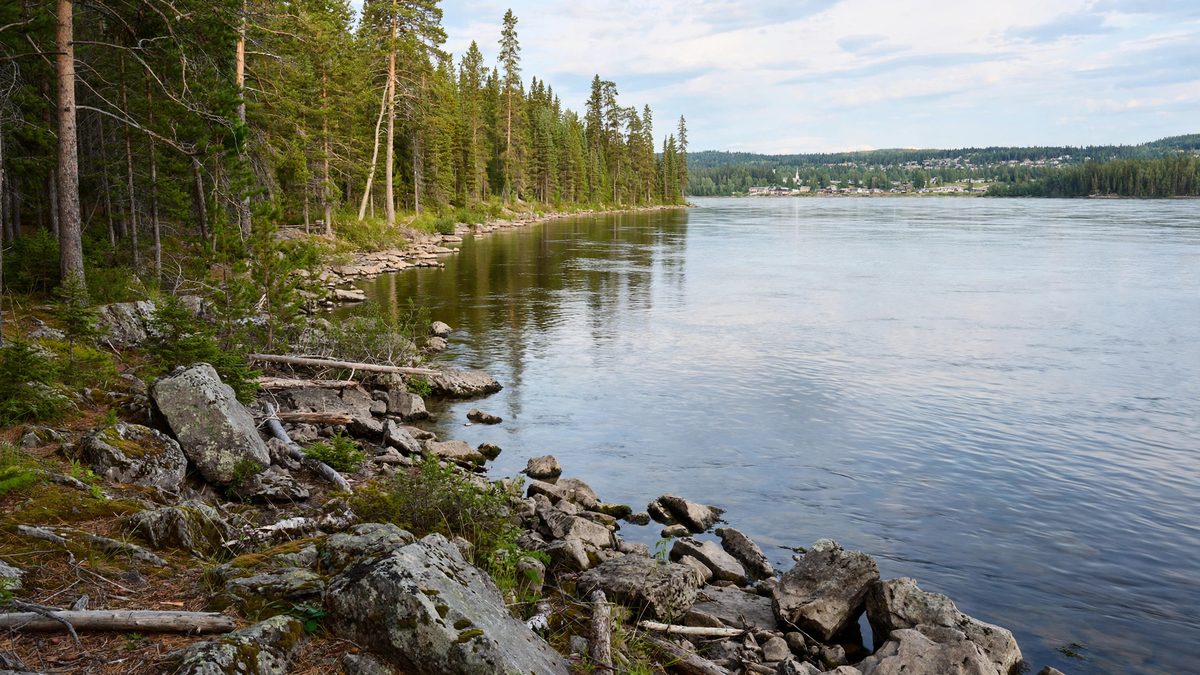
The case concerns the Near Surface Disposal Facility, a planned repository for low-level radioactive waste at the Chalk River Laboratories site, about 200 kilometres northwest of Ottawa. The Canadian Nuclear Safety Commission approved construction in January 2024. Kebaowek First Nation, whose territory includes the river the Algonquin call the Kichi Sibi, challenged that approval.
What the court decided
The appeal court held that the United Nations Declaration on the Rights of Indigenous Peoples Act provides a framework for the federal government to make Canadian laws consistent with the declaration over time. It does not, on its own, implement articles of the declaration that conflict with existing Canadian law. The court also found that the Nuclear Safety Commission, when it approves a facility, is not the Government of Canada for the purpose of that duty. On the facts, the court accepted that the existing duty to consult had been met, and the commission had found the project unlikely to cause significant adverse environmental effects.
Why it matters
This is the first appellate ruling on how far the federal declaration act reaches, and its answer reaches well beyond one waste site. Every federal regulator that approves mines, pipelines, dams and nuclear projects now has a court decision saying the regulator itself does not carry the job of applying the declaration. That job, the court said, sits with the Government of Canada as a whole, working through legislation. For First Nations, the practical effect is that the consultation standard in project approvals stays where the older case law put it, unless Parliament changes the law or the Supreme Court says otherwise.
Advocates who supported Kebaowek called the ruling a blow against reconciliation. RAVEN, the legal fund that backed the case, argued that if the government has committed to making laws consistent with the declaration, but the regulators who apply those laws are not bound by the same commitment, the promise has no clear path into real project decisions.
The context
Two appellate courts in Canada are now reading similar declaration statutes in different ways, and the Supreme Court of Canada has already agreed to hear the Gitxaala case, which raises the same kind of question about British Columbia's declaration act. The Cassels law firm, which represented Canadian Nuclear Laboratories, noted that any request for leave to appeal this decision to the Supreme Court must be filed within 60 days. Kebaowek learned the day before this ruling that it may intervene in the Gitxaala case, and the intervenor arguments in that appeal are due next month.
What happens next
Watch three things. First, whether Kebaowek seeks leave to appeal to the Supreme Court within the 60-day window. Second, the Gitxaala hearing, where the Supreme Court will give the final word on the legal effect of declaration statutes and may settle the split between the courts. Third, whether Parliament responds with amendments that give the federal act direct effect, which is the one route the appeal court left fully open.
Key numbers
- 2026 FCA 174: the citation of the Federal Court of Appeal decision, released October 16, 2026
- January 2024: the Nuclear Safety Commission approved construction of the disposal facility
- About 200 kilometres: the distance from Ottawa to the Chalk River Laboratories site
- 60 days: the window to seek leave to appeal to the Supreme Court of Canada
Timeline
- Jan 2024The Canadian Nuclear Safety Commission approves construction of the Near Surface Disposal Facility at Chalk River Laboratories.
- 2025The Federal Court rules for Kebaowek First Nation and orders new consultations under the free, prior and informed consent standard.
- Oct 16, 2026The Federal Court of Appeal releases 2026 FCA 174, allowing the Canadian Nuclear Laboratories appeal and dismissing Kebaowek's cross-appeal and judicial review application.
- Oct 24, 2026Full reporting and legal analysis of the ruling circulate, with a 60-day window running for a Supreme Court leave application.
Sources
- Tewatati: Appeal court rules UNDRIP Act does not bind nuclear regulator, handing Kebaowek First Nation a loss over Chalk River waste site
- Mondaq (Cassels): Federal Court Of Appeal Finds Federal Legislation Does Not Implement UNDRIP
- JFK Law: UNDRIP's Promise Deferred: The Federal Court of Appeal Overturns Federal Court in Kebaowek
- RAVEN Trust: A Blow Against Reconciliation: Federal Court of Appeal rules in landmark Kebaowek First Nation case