
Myth Check: You Do Not Lose Most of Your Body Heat Through Your Head
The claim that 40 to 80 percent of body heat escapes through the head is false. The head is about 10 percent of your skin, and it loses roughly that share of heat, no more.
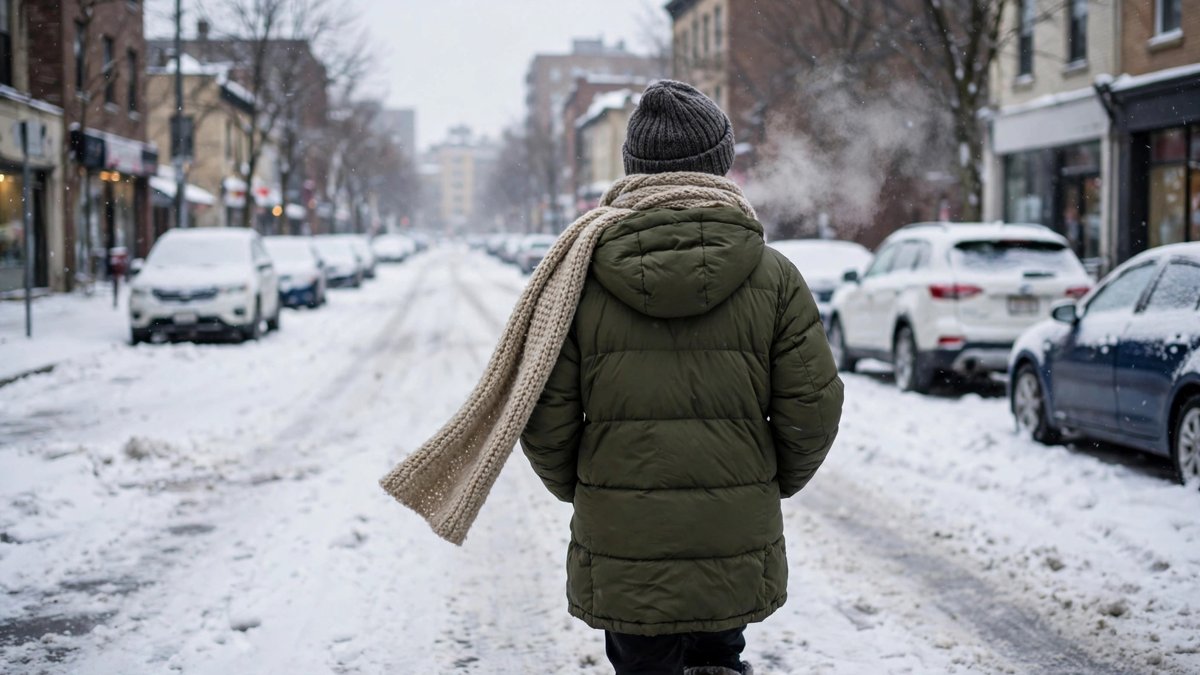
Key points
- The answer is no.
- The claim traces back to military cold-weather research from the 1950s, later repeated in a United States Army survival guide in the 1970s.
- Read that setup again and the flaw is plain.
The answer is no. You do not lose most of your body heat through your head, and the figures passed around for decades, 40 percent, 50 percent, even 80 percent, do not survive a basic check. Your head makes up roughly 10 percent of your body's surface area, and it loses heat at roughly that rate.
Where the myth came from
The claim traces back to military cold-weather research from the 1950s, later repeated in a United States Army survival guide in the 1970s. Volunteers were dressed in Arctic survival gear that covered them from the neck down, then sent into the cold. Their heads were the only part left bare. The studies then measured that most of the heat the men lost escaped through their heads.
Read that setup again and the flaw is plain. Of course the head lost the most heat. It was the only door left open. The rest of the body was sealed inside survival clothing, so nearly all escaping heat had nowhere else to go. The result said something true about the test and nothing special about the head, but the survival guide printed the big number, and the big number walked into school posters, parenting advice and winter folklore.
What the evidence says
Researchers at Indiana University School of Medicine reviewed the claim in the BMJ in 2008, in a paper on festive medical myths by Rachel Vreeman and Aaron Carroll. Their conclusion: heat loss from any part of the body is roughly proportional to how much surface area is exposed. The head accounts for about 10 percent of body surface, so a bare head on an equally bare body accounts for about 10 percent of heat loss. They added the line that settles it: if the head myth were true, you would lose more heat wearing trousers with no hat than wearing a hat with no trousers. You would not.
Richard Ingebretsen, a wilderness medicine expert at the University of Utah School of Medicine, gave WebMD the same answer in practical form. People lose heat through whatever skin is exposed. In normal winter life the rest of you is wrapped in clothes, so the uncovered head becomes the largest single source of loss, not because heads are special radiators but because they are the part left out. Wear shorts in the cold and your legs take the same role.
Cold-water studies in the 2000s tested the point directly. Volunteers went into cold water in different states of dress, with heads in or out, and researchers measured total heat loss. Adding the head to the exposed area raised heat loss by about its surface share, around 10 percent, not by half or more.
Why the myth feels true
Your face, scalp and chest are more sensitive to temperature change than most of the rest of you, so a cold wind on a bare head feels dramatic, far out of proportion to the heat actually leaving. And there is a kernel of sense in the advice: if your body is fully dressed and only your head is bare, most of the heat you are losing does leave through your head, because it is the only exit. A hat closes the biggest remaining leak. Good advice, wrong reason.
The bottom line
Wear the hat. It keeps you warmer and more comfortable, and for a small child, whose head is a larger share of the body, it matters more. Just do not credit the head with superpowers. The 80 percent figure was an artifact of a test where the head was the only thing left uncovered, repeated for fifty years as if it were a law of the body.