
Myth Check: Daddy Longlegs Are Not the Most Venomous Spiders in the World
The name covers three animals. Harvestmen have no venom at all, cellar spiders have ordinary venom and fangs that can pierce skin, and crane flies do not bite.
Key points
- The playground legend says daddy longlegs are the most venomous spiders on Earth, saved from killing us only by fangs too short to bite.
- Start with the name problem, which the entomology team at the University of California, Riverside lays out in its myth busting page.
- Harvestmen are arachnids, but they are not spiders.
The playground legend says daddy longlegs are the most venomous spiders on Earth, saved from killing us only by fangs too short to bite. Both halves of that story fail. The name covers three different animals, and none of them fits the tale.
Start with the name problem, which the entomology team at the University of California, Riverside lays out in its myth busting page. People use daddy longlegs for cellar spiders, for harvestmen, and in some places for crane flies. Only the cellar spider is a true spider at all. A legend about the most venomous spider cannot survive its subject changing species from porch to porch.
Harvestmen have no venom to rank
Harvestmen are arachnids, but they are not spiders. They carry one fused body segment and two eyes, against a spider's two segments and usually eight eyes. More to the point, they have no fangs and no venom glands. There is no venom to call the strongest in the world. The legend, applied to the animal most people picture outdoors on long legs, is not exaggerated. It is empty.
Cellar spiders can bite, and their venom is unremarkable
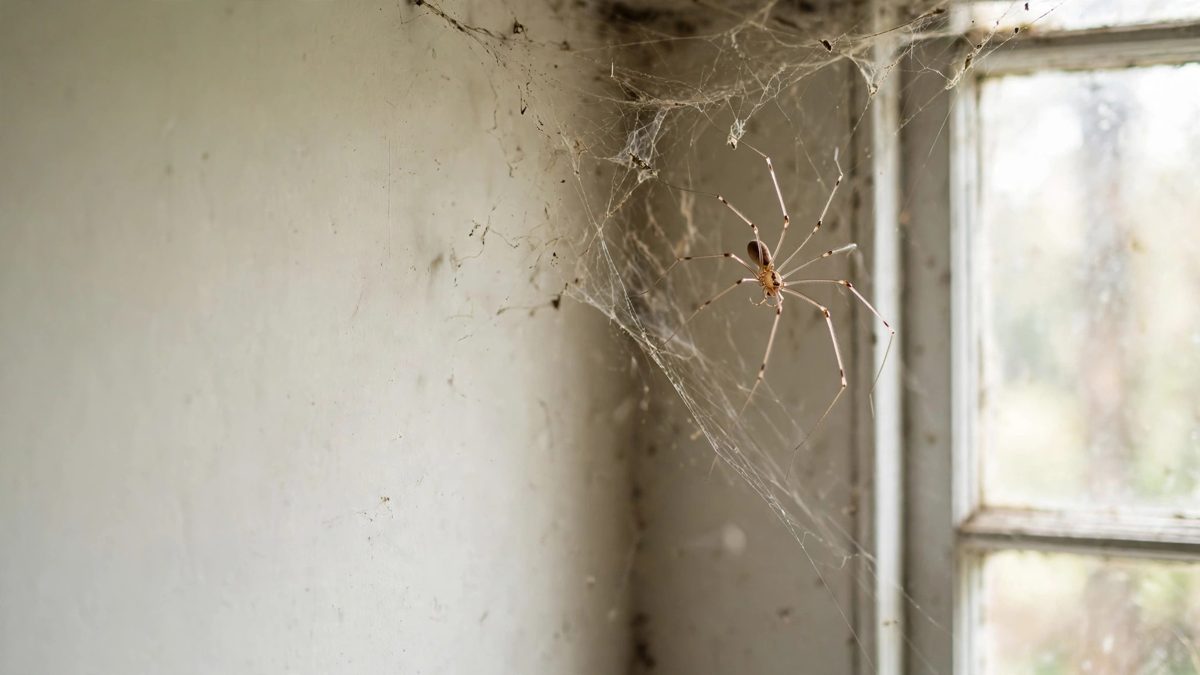
The cellar spider is the one real spider in the group. It does have venom, as nearly all spiders do, and it uses that venom on insects. Rick Vetter, a retired entomology research associate at UC Riverside who has chased this myth for years, notes that he knows of no publication showing a toxic effect from these spiders in humans.
The fang half of the legend fails with it. Cellar spider fangs are short, about a quarter of a millimeter in the test most often cited, and a televised test found they could pierce human skin, with a sting that faded fast. Venom taken from cellar spiders and tested against black widow venom in mice, in work reported from a 2004 experiment and written up in a 2019 study, came out far weaker on the cellar spider side.
Crane flies close the case
The third daddy longlegs, the crane fly, is an insect. Adults do not bite people, and many barely feed at all. Three animals share one nickname, and the most dangerous sounding claim in playground science belongs to none of them.
The myth survives because the name lets it. Every retelling points at a different animal, so no single correction seems to land. Pin the name down first, and the legend has nowhere left to stand: no venom at all, ordinary venom with working fangs, or a fly that does not bite.