
A Sea Otter Packs Up to a Million Hairs Into One Square Inch of Fur
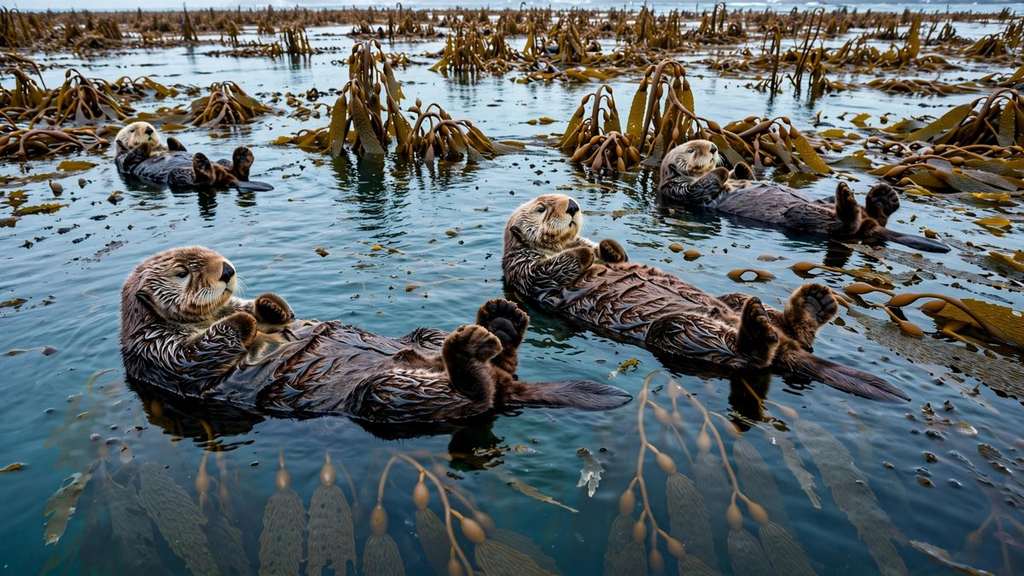
Sea otters have no blubber. They stay warm in near freezing Pacific water with the densest fur of any mammal, and they groom it for hours because their lives depend on it.
Key points
- A sea otter can carry up to a million hairs in a single square inch of skin.
- The figure comes from the Aquarium of the Pacific, which notes there may be up to one million hairs in one square inch of sea otter fur.
- Most marine mammals stay warm with fat.
A sea otter can carry up to a million hairs in a single square inch of skin. That patch is smaller than a postage stamp.
The figure comes from the Aquarium of the Pacific, which notes there may be up to one million hairs in one square inch of sea otter fur. NOAA Ocean Today gives the same picture in its anatomy guide: more than a million fibers per square inch, in two layers. The National Marine Sanctuary Foundation calls sea otter fur the densest of any mammal on Earth, with more than a million hair follicles in that same small area.
No blubber, so the coat does all the work
Most marine mammals stay warm with fat. Whales, seals, and walruses carry thick blubber under the skin. NOAA notes that the sea otter is the only marine mammal without blubber to keep it warm. It is also the smallest marine mammal in North America, which makes heat loss a real problem in cold water.
The coat solves it in two layers. Long guard hairs lie on top and shed water. Under them sits a dense underfur that stays dry. When the otter grooms, it works air into that underfur. The trapped air forms an insulating layer against the skin, much like the air in a down jacket, and it also makes the animal buoyant. NOAA notes that this buoyancy, plus large lungs, helps otters float high on their backs.
Grooming is survival work
That air layer only works if the fur stays clean and fluffy. Otters rub, twist, and pull at their coats with agile forepaws, and they blow air into the fur as they groom. If oil or dirt mats the hairs, water reaches the skin and the animal loses heat fast. This is why oil spills are so deadly for sea otters: fouled fur stops insulating, and the otter can die of cold in water it normally handles with ease.
The coat comes with pockets. Under each forearm, an otter has a loose fold of skin. NOAA and the Aquarium of the Pacific both describe otters storing food in those pockets, and keeping a favorite rock there too. The rock is a tool. Otters use it to crack open clams, mussels, and sea urchins while floating on their backs, using their chests as a table.
A costly coat, in calories
Staying warm this way burns energy. The National Marine Sanctuary Foundation notes that sea otters need to eat at least 25 percent of their body weight in food every day, driven in part by a high metabolism that helps hold body temperature. An otter may spend much of its day hunting, eating, grooming, and resting in turns.
The same fur that keeps otters alive nearly wiped them out. The Aquarium of the Pacific records that southern sea otters were hunted for their fur and fell to about 50 animals in the 1930s. Protected since then, the population has grown to about 2,800. The densest coat in the mammal world is both their best tool and their oldest danger.