
H5N1 Bird Flu Confirmed on Macquarie Island in Elephant Seal
Federal testing confirmed the virus in an elephant seal and a kelp gull on the sub-Antarctic island, the first H5 event there, days after Tasmania reported the detection.
Key points
- Australia confirmed its first case of H5N1 bird flu on Macquarie Island on Saturday.
- Chief Veterinary Officer Beth Cookson said the testing confirmed the strain in samples collected from the two animals, marking the first H5 event on the island, Reuters reported.
- Tasmania announced the detection two days earlier, on October 15.
Australia confirmed its first case of H5N1 bird flu on Macquarie Island on Saturday. Official testing found the highly pathogenic virus in samples from an elephant seal and a kelp gull, the federal government said.
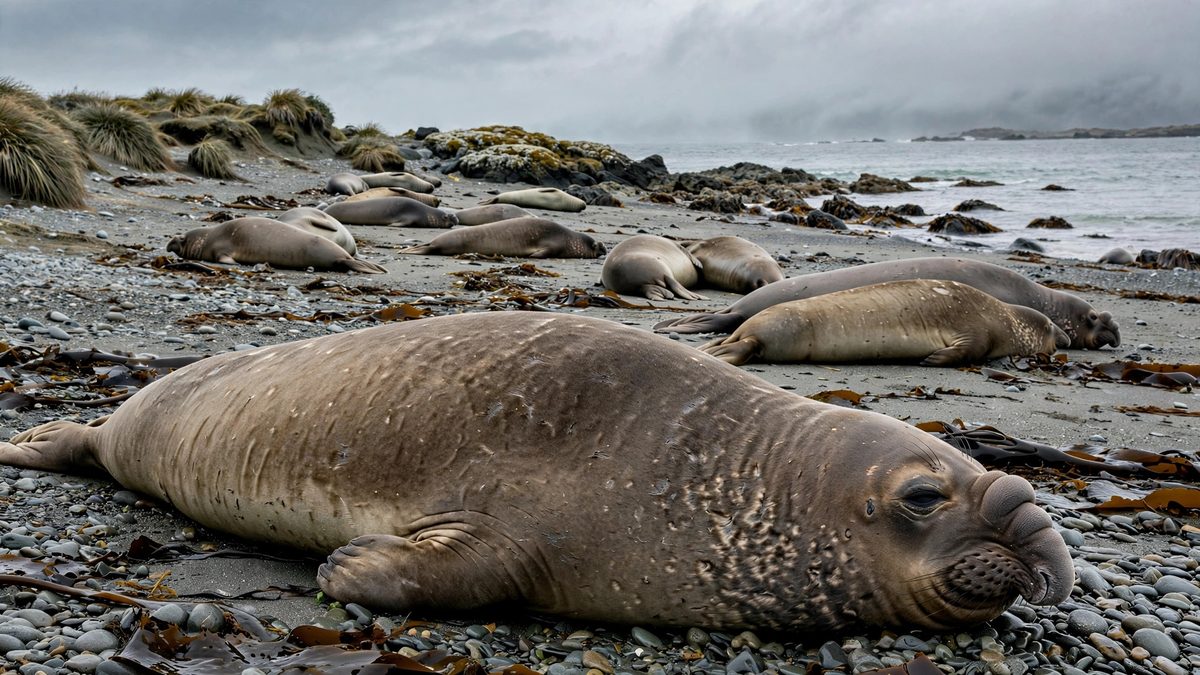
Chief Veterinary Officer Beth Cookson said the testing confirmed the strain in samples collected from the two animals, marking the first H5 event on the island, Reuters reported. Macquarie Island sits in the Southern Ocean, halfway between Tasmania and Antarctica. It is a UNESCO World Heritage listed territory and a key breeding ground for southern elephant seals.
The warning signs came first
Tasmania announced the detection two days earlier, on October 15. Samples collected from a southern elephant seal and a kelp gull had returned a positive result for H5 bird flu, the state said. It was the first recorded detection in a marine mammal in Tasmania. The state urged people to avoid contact with sick or dead birds and to report sightings to its bird flu page or the Emergency Animal Disease Hotline.
The island's research station had already been wound back. In August, Australia's environment department said it would withdraw personnel from the station because of the psycho-social risk to expeditioners of a potential H5 outbreak, Reuters reported.
Why seals are at such risk
Southern elephant seals can weigh up to 3,600 kilograms. They are particularly open to H5 bird flu, with pup death rates in some cases above 90 percent, according to the federal government. Expert assessments had predicted the virus would likely cause a significant elephant seal death event during the coming breeding season, the environment department said.
Australia in June became the last continent to report bird flu. The virus was detected in late 2025 on Heard Island, another Australian sub-Antarctic territory, where more than 13,000 baby seals were killed by the virus, according to local media reports cited by Reuters.
What happens next
Officials now watch whether the virus spreads through the island's seal colonies as the breeding season builds. The Tasmanian government says its department gives regular public updates, with the latest testing and surveillance figures posted on its website. For a remote island with no permanent town, the count that matters is the pups.
How the public can help
Tasmania is asking for eyes on the coast. As bird flu continues to be detected in Tasmania, the public is encouraged to keep reporting sick or dead birds, because reports help authorities detect and respond to potential cases. Reports go through the state's bird flu page at nre.tas.gov.au or the Emergency Animal Disease Hotline on 1800 675 888. The rule is simple: do not touch the animal, and make the call.
Timeline
- Aug 2026Australia's environment department says it will withdraw personnel from the Macquarie Island research station because of the risk of an H5 outbreak.
- Oct 15, 2026Tasmania announces H5 bird flu has been detected in a southern elephant seal and a kelp gull on Macquarie Island, the first detection in a marine mammal in Tasmania.
- Oct 17, 2026Federal testing confirms H5N1 in samples from an elephant seal and a kelp gull, the first H5 event on Macquarie Island.