
Justice Kagan Says Supreme Court Rulings Are Destructive to Democracy
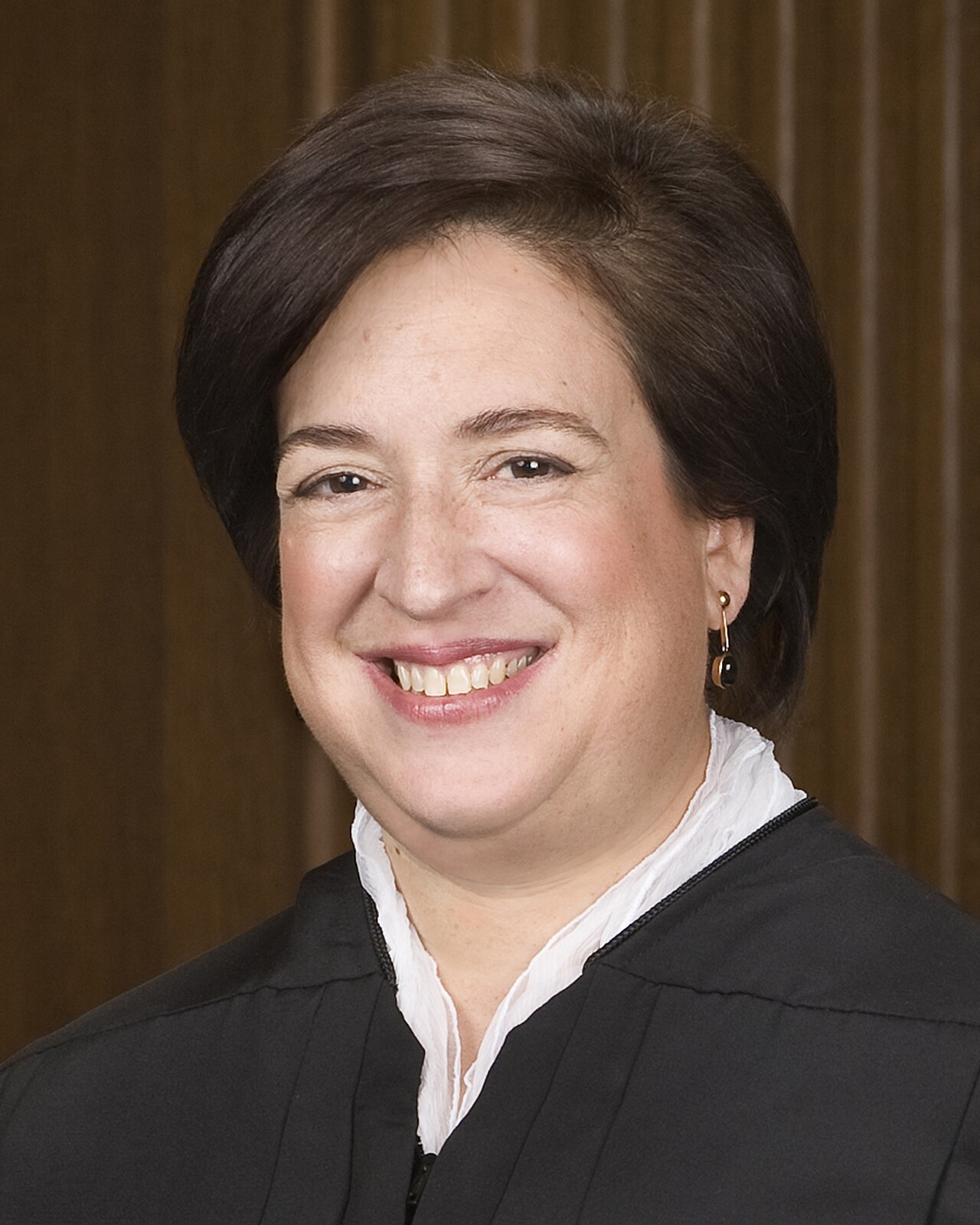
Speaking at Catholic University two weeks before the midterms, Justice Elena Kagan said the court's conservative majority has blinded itself to the damage its election rulings are doing to American democracy.
Key points
- Justice Elena Kagan said on Tuesday that the Supreme Court's conservative majority has undermined democracy and created a race to the bottom in the way congressional districts are drawn across the…
- Kagan, one of the court's three liberal justices, spoke at Catholic University's law school in Washington, two weeks before the midterm elections.
- Kagan said the conservatives have enabled deeper political polarization by refusing to rein in partisan gerrymandering, the practice of redrawing district boundaries to boost one party's candidates.
Justice Elena Kagan said on Tuesday that the Supreme Court's conservative majority has undermined democracy and created a race to the bottom in the way congressional districts are drawn across the United States.
Kagan, one of the court's three liberal justices, spoke at Catholic University's law school in Washington, two weeks before the midterm elections. She answered questions in a conversation with law professor J. Joel Alicea, a former law clerk to Justice Samuel Alito, at an event hosted by the school's Center for the Constitution and Catholic Intellectual Tradition. It was her first speaking appearance on the campus, which has previously hosted several of the court's conservative justices.
A fight over voting rights
Kagan said the conservatives have enabled deeper political polarization by refusing to rein in partisan gerrymandering, the practice of redrawing district boundaries to boost one party's candidates. "In recent years, both political parties have been engaged in a race to the bottom in terms of doing these partisan gerrymanders, effectively depriving masses of citizens of their rights to voting equality," she said.
She said gerrymandering drives candidates toward the extremes, because the only contest that matters is a primary challenge from inside their own party. "It is making what I think is unfortunately a too polarized country even more so," Kagan said. "In this election, and the next election, we are seeing large states with substantial numbers of people who vote for Republicans and who vote for Democrats, and the states are going to be tried to turn all red or all blue in a way that I think is very destructive to our democracy."
The court, which has a 6-3 conservative majority, gutted a pillar of the Voting Rights Act in April. The 1965 law was written to prevent racial discrimination in voting. That ruling set off a round of redistricting across the South aimed at eliminating House districts where Black voters make up a majority or near majority, as Republican led states moved to use the decision before the midterms. At Trump's urging, Republican governed Texas redrew its map last year to flip Democratic held House seats, and Democratic led California then redrew its own map to target Republican held seats.
Money in politics
Kagan said the conservatives did not grasp the real world impact of the April voting rights decision, or of a June decision that struck down a cap on the amount of money parties can spend on campaigns in coordination with candidates. "I think part of the reason why the court got it wrong was a lack of the appropriate concern or understanding of the consequences of their decisions," she said.
On campaign finance, she said the court has allowed regulation only to stop direct money for favors corruption, and never seems to see the chances for exactly that kind of dealing. "I think you know the people of America look around this political system and think that all this money, chasing all these political candidates, is a nightmare, and they're right," she said.
Kagan, an appointee of former President Barack Obama, has dissented as the conservative majority has rolled back voting rights protections for more than a decade. Her message on Tuesday was blunt. The court, she said, "has blinded itself to the very deleterious effects of their rulings on how the political system works and has created a democracy that doesn't work as well as it should."
Timeline
- April 2026The Supreme Court guts a pillar of the 1965 Voting Rights Act, setting off a round of redistricting across the South.
- June 2026The court strikes down a cap on the amount of money political parties can spend on campaigns in coordination with candidates.
- Oct 20, 2026Justice Elena Kagan tells students at Catholic University's law school that the court's election rulings have created a democracy that does not work as well as it should.