
International Criminal Court Wins EU's 2026 Sakharov Prize
The European Parliament awarded its top human rights prize to the Hague court and its officials on Thursday, weeks after the United States sanctioned the tribunal.
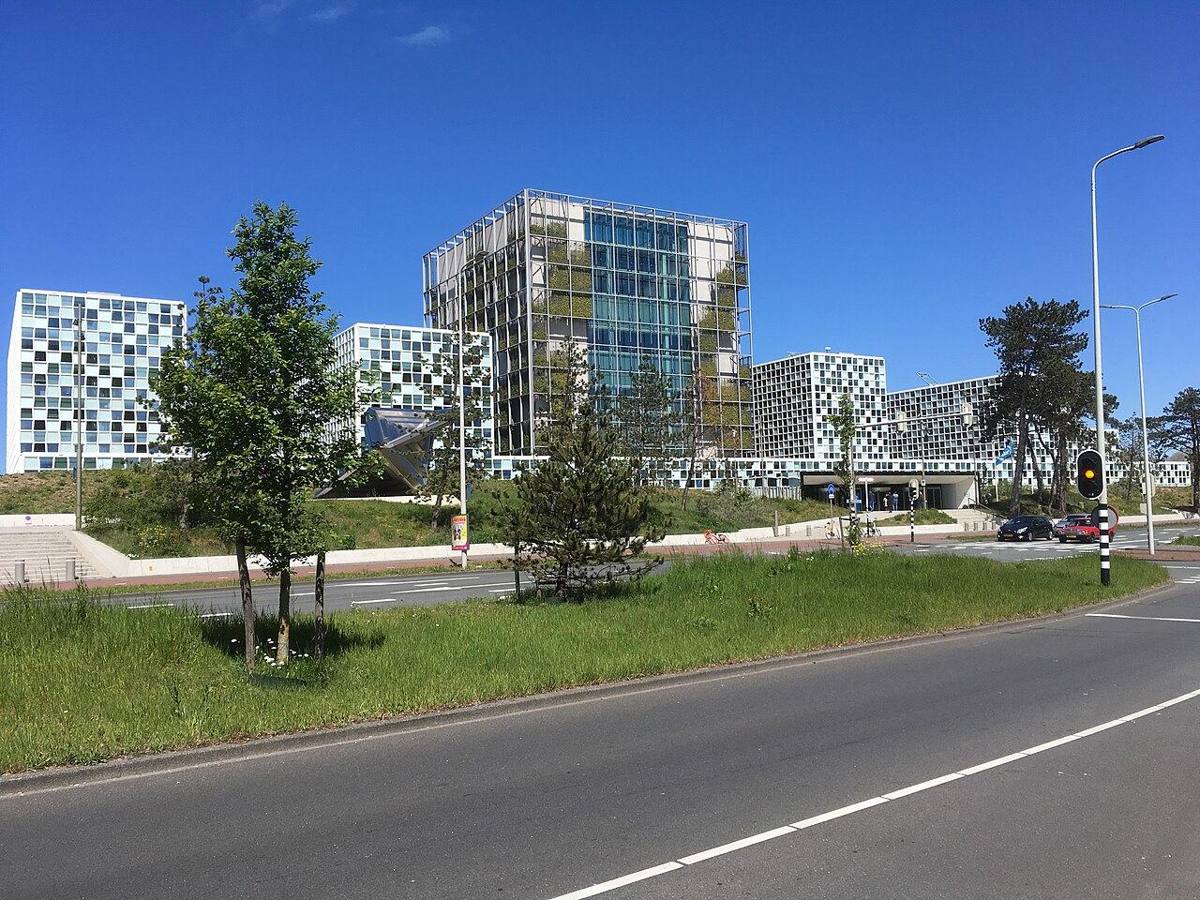
Key points
- The International Criminal Court and its officials won the European Union's 2026 Sakharov Prize for Freedom of Thought on Thursday, October 22.
- The Hague-based court is working under sanctions from the United States.
- Metsola said the prize recognised the court and the people who staff it.
The International Criminal Court and its officials won the European Union's 2026 Sakharov Prize for Freedom of Thought on Thursday, October 22. European Parliament President Roberta Metsola announced the award in the Strasbourg hemicycle, and lawmakers gave the decision a standing ovation.
A prize handed out under sanctions pressure
The Hague-based court is working under sanctions from the United States. Washington announced measures against the institution itself on October 9, and Secretary of State Marco Rubio said transactions with the court would be banned after a grace period of six months. The pressure follows arrest warrants the court issued in 2024 against Israeli Prime Minister Benjamin Netanyahu and his former defence minister.
Metsola said the prize recognised the court and the people who staff it. "The European Union is built on respect for multilateralism and international institutions," she said. "With the award of the Sakharov prize to the International Criminal Court and its officials, the European Parliament recognises the Court's important work in upholding international law and justice."
ICC President Tomoko Akane said the unprecedented challenges facing the court made the prize all the more significant. "It underscores the importance of continued international cooperation and support to enable the court to carry out its mandate independently and impartially, in the service of justice and the victims of the gravest crimes," she said. "There is no peace without justice and no security without law."
How the vote went
The three finalists were announced on October 19: the court, Tanzanian opposition leader Tundu Lissu, and Iranian sisters Taraneh and Romina Rahimi, who have been sentenced in Iran. The Socialists and Democrats group nominated the court, in a nomination initiated by French member Chloe Ridel, and Renew Europe, the Greens and the Left backed it. Three right-wing groups, the European People's Party, the European Conservatives and Reformists and Europe of Sovereign Nations, backed Lissu. Patriots for Europe stayed with the Rahimi sisters. Rapporteur reported that the Patriots' nominees were eliminated first and the court then beat Lissu in a second round of voting by the group leaders.
Second honour in a month
The prize is the second international recognition for the court this month. Former ICC judge Navi Pillay was awarded the Nobel Peace Prize less than two weeks ago, a decision widely seen as a show of support for the tribunal. Washington announced its latest sanctions hours after that Nobel announcement.
The court investigates and, where warranted, tries individuals charged with genocide, war crimes, crimes against humanity and the crime of aggression. Governed by the Rome Statute, it is the world's first permanent international criminal court, and all EU member states are parties to that statute. Lawmakers have called on the European Commission to activate the EU blocking statute, a law that would shield court officials from the effect of foreign sanctions inside the bloc.
The prize
Named after Soviet physicist and political dissident Andrei Sakharov, the prize has been awarded every year since 1988 to individuals and organisations defending human rights and fundamental freedoms. It is worth 50,000 euros. The 2025 prize went to Belarusian journalist Andrzej Poczobut and Georgian journalist Mzia Amaglobeli. The court and its officials are due to collect the 2026 award in Strasbourg on December 16, at the last plenary session of the year.
Timeline
- Oct 19, 2026Parliament announces the three finalists: the International Criminal Court, Tanzanian opposition leader Tundu Lissu, and Iranian sisters Taraneh and Romina Rahimi.
- Oct 22, 2026Roberta Metsola announces in Strasbourg that the court and its officials have won the 2026 Sakharov Prize.
- Dec 16, 2026The award ceremony is scheduled in Strasbourg, at the last plenary session of the year.