
ISRO Launches NVS-03 Navigation Satellite on GSLV-F18 Into Transfer Orbit
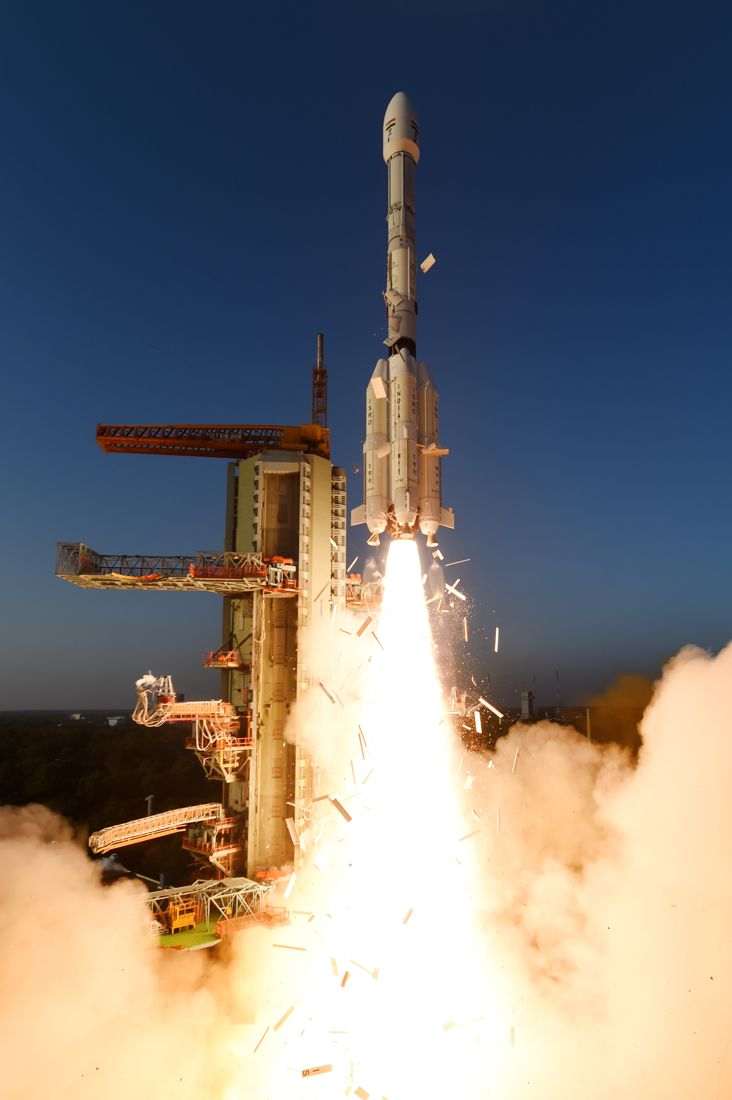
ISRO's GSLV-F18 lifted off from Sriharikota at 11:51 pm IST on Friday and placed the NVS-03 navigation satellite in a geosynchronous transfer orbit. NVS-03 is the third satellite in the second generation NavIC series.
Key points
- ISRO launched the NVS-03 navigation satellite on its GSLV-F18 rocket from the Second Launch Pad at the Satish Dhawan Space Centre in Sriharikota at 18:21 UTC on Friday, October 30, 2026, and the…
- The flight was the 20th flight of the Geosynchronous Satellite Launch Vehicle.
- NVS-03 is the third satellite in the second generation NavIC series and the twelfth addition to the Indian Regional Navigation Satellite System, The CSR Journal reported.
ISRO launched the NVS-03 navigation satellite on its GSLV-F18 rocket from the Second Launch Pad at the Satish Dhawan Space Centre in Sriharikota at 18:21 UTC on Friday, October 30, 2026, and the satellite was placed in a geosynchronous transfer orbit. The liftoff time in India was 11:51 pm IST. The Times of India reported the launch successful, with the satellite placed in orbit and a boost for NavIC, and two other outlets, Dharmakshethra and The CSR Journal, also reported that GSLV-F18 had placed NVS-03 in its designated transfer orbit.
The flight was the 20th flight of the Geosynchronous Satellite Launch Vehicle. The rocket stands about 50 metres tall and has a lift-off mass of about 420 tonnes, according to the ISRO mission brochure cited by NewsPlainly. The flight from liftoff to the transfer orbit takes about 20 minutes. The planned transfer orbit runs from 170 km at its lowest point to 37,023 km at its highest, tilted 20.75 degrees to the equator.
What NVS-03 carries
NVS-03 is the third satellite in the second generation NavIC series and the twelfth addition to the Indian Regional Navigation Satellite System, The CSR Journal reported. NavIC is India's own regional navigation system, providing positioning, navigation and timing services over India and a region extending about 1,500 km around it.
In its mission description, ISRO said the satellite carries an indigenous atomic clock along with procured atomic clocks. ISRO also said it includes an L1 signal in addition to the existing L5 and S signals, with coverage over the Indian land mass and a region extending 1,500 km around the Indian geopolitical boundary.
Why NavIC needs this satellite
Before this launch, ISRO's own list of satellites launched showed only 3 of the 11 NavIC satellites sent up so far marked as operational for positioning, navigation and timing, NewsPlainly reported, citing that list and NDTV. NVS-03 is meant to shore up that service.
The failure this mission follows
The previous satellite in the series, NVS-02, was launched on GSLV-F15 in January 2025 and reached its transfer orbit. It never made it to its working orbit after an orbit-raising failure. India Today reported that the failure was caused by an electrical signal that never reached a pyrotechnic valve controlling oxidiser flow, so the engine work needed to raise the orbit could not go ahead as planned. That history is why a clean placement in transfer orbit, while a real success, is not the whole mission.
What happens next
Placing the satellite in transfer orbit is not the end of the mission. NVS-03 must still complete orbit-raising manoeuvres using its onboard propulsion to reach its designated operational orbit, Dharmakshethra reported. Only after it reaches that orbit, is checked out and is accepted into service can it provide navigation services as part of NavIC. ISRO has not, in the reporting cited here, given a date for that step.
For now, the confirmed result is the launch itself. A GSLV lifted off on time from Sriharikota late on Friday night, and its passenger, a navigation satellite carrying an Indian-built atomic clock, is in the transfer orbit it was sent to reach.
Timeline
- January 2025NVS-02 is launched on GSLV-F15 and reaches transfer orbit, but its orbit-raising fails and it never reaches its working orbit.
- Oct 30, 2026GSLV-F18 lifts off at 18:21 UTC (11:51 pm IST) from the Second Launch Pad at Sriharikota carrying NVS-03.
- Oct 30, 2026NVS-03 is placed in a geosynchronous transfer orbit. Orbit-raising to its operational orbit is still ahead.
Sources
- ISRO: GSLV-F18 NVS-03 launch video
- Dharmakshethra: ISRO successfully launches GSLV-F18, places NVS-03 in transfer orbit
- The CSR Journal: ISRO launches NVS-03 satellite
- NewsPlainly: NVS-03 launch briefing, citing the ISRO mission brochure and NDTV
- ISRO statement via Starlust (Space.com syndication): NVS-03 mission description