
Cochise County, Arizona: Ranch Dog Is First Screwworm Case in the State Since the 1960s
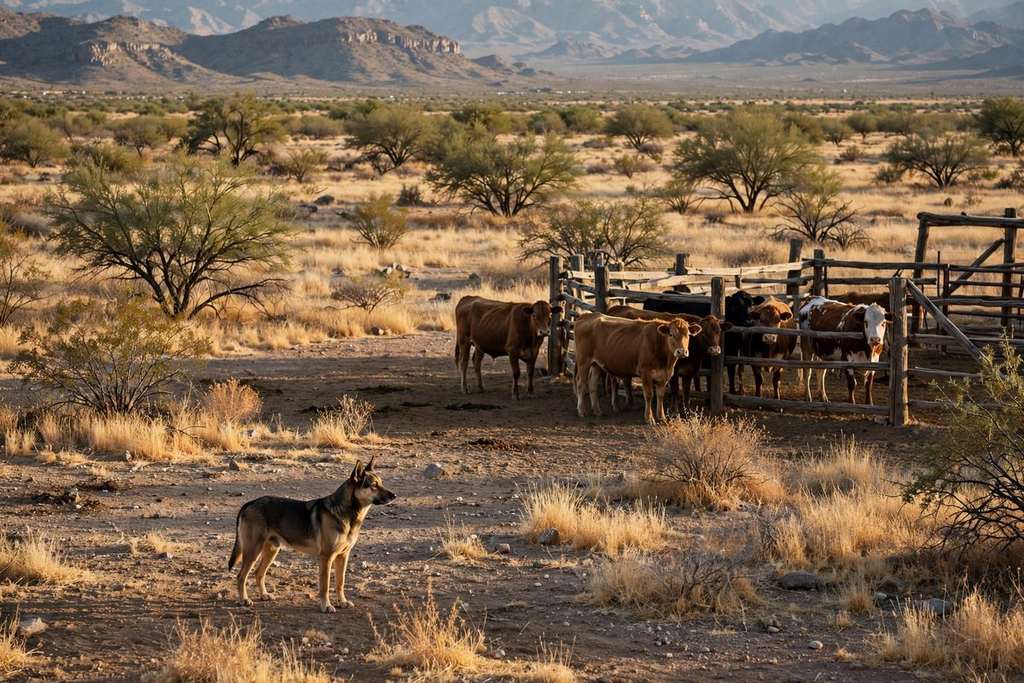
The Arizona Department of Agriculture and the USDA confirmed on Wednesday, October 28, that a ranch dog in Cochise County was infested with New World screwworm. It is the first detection in Arizona since the 1960s, and officials have set up a 20-kilometer infested zone around the ranch.
Key points
- A ranch dog in Cochise County has given Arizona its first confirmed case of New World screwworm since the 1960s.
- An infected wound was found on the dog on October 27.
- New World screwworm is a parasitic fly.
A ranch dog in Cochise County has given Arizona its first confirmed case of New World screwworm since the 1960s. The Arizona Department of Agriculture confirmed the case on Wednesday, October 28, and the USDA announced the same day that it is the first detection in Arizona.
An infected wound was found on the dog on October 27. Samples went to a federal lab in Ames, Iowa, which confirmed the infestation on October 28. State Veterinarian Dr. Ryan Wolker said the dog has recovered.
New World screwworm is a parasitic fly. The female lays eggs in the open wound of a warm-blooded animal, and the maggots that hatch burrow into the wound and feed on live tissue. It was devastating for the cattle industry. The pest was eradicated from the United States in 1966.
A pest moving north again
Wolker said a long-standing biological buffer in Panama and Central America was breached in 2023. Over the last two years, he said, the fly traveled north through South America, Central America and Mexico before reaching the United States. He also pointed to increased moisture from Hurricane Rachel as a possible factor.
Federal officials have confirmed 71 screwworm cases in the United States since June, and 18 are active, according to the USDA. Larvae were found in a calf in south Texas in June, with more cases since confirmed in Texas and New Mexico.
The United States halted livestock imports from Mexico last year to try to keep the pest out. Trade has since resumed at three ports of entry in Arizona and New Mexico, starting in August. The USDA plans to restart imports at Nogales, Arizona, on November 30, if conditions for safe trade are in place. Earlier this summer, Arizona halted cattle imports after the Texas calf case, and imports resumed two months later.
The response in Cochise County
Wolker stressed that the infection is not contagious. A fly has to lay eggs in an open wound before an animal can be infested, and it is treatable if caught early in domestic animals. "The survivability is excellent," he said. Crews treat the wound, remove all the maggots, and then work on healing the wound.
Officials have set up a 20-kilometer infested zone around the detection, with a surveillance area at least 20 kilometers beyond its edge. The response follows the national playbook: animal movement controls, more surveillance and trapping, releases of sterile flies, and outreach to producers and veterinarians. Wolker said other livestock are in the area near the ranch.
Paul Brierley, the director of the Arizona Department of Agriculture, said the Texas and New Mexico infested zones are no longer active because the response worked. "We would really ask that the livestock owners and pet owners and hunters really watch their animals, watch for these strange, unusual wounds that might smell," he said.
What owners should watch for
Officials urge owners to inspect animals daily for draining or growing wounds, maggots or egg masses, signs of discomfort, and lesions around the ears, nose and genital area. Wolker said the hallmark signs are a wound with a significant odor and cavitation, with maggots aligned vertically, "kind of like if you're looking at the head of a sunflower." The CDC says people should watch for maggots in a wound or in the ears, nose, eyes or mouth, painful wounds that worsen within days, a foul odor and bleeding sores. Anyone who suspects an infestation should contact a veterinarian, a state animal health official or the USDA right away, because infestations can be deadly if not treated.
Timeline
- 2023A long-standing biological buffer against screwworm in Panama and Central America is breached, and the fly begins moving north.
- Jun 2026Screwworm larvae are found in a calf in south Texas. Arizona halts cattle imports, and imports resume two months later.
- Oct 27, 2026An infected wound is found on a ranch dog in Cochise County, Arizona.
- Oct 28, 2026A federal lab in Ames, Iowa confirms the infestation. The USDA and the Arizona Department of Agriculture announce the first screwworm detection in Arizona and set up a 20-kilometer infested zone.
- Nov 30, 2026The USDA plans to restart livestock imports from Mexico at Nogales, Arizona, if conditions for safe trade are in place.