
Yemen Government Forces Withdraw From Bab el-Mandeb Area, Leaving Houthis in Control
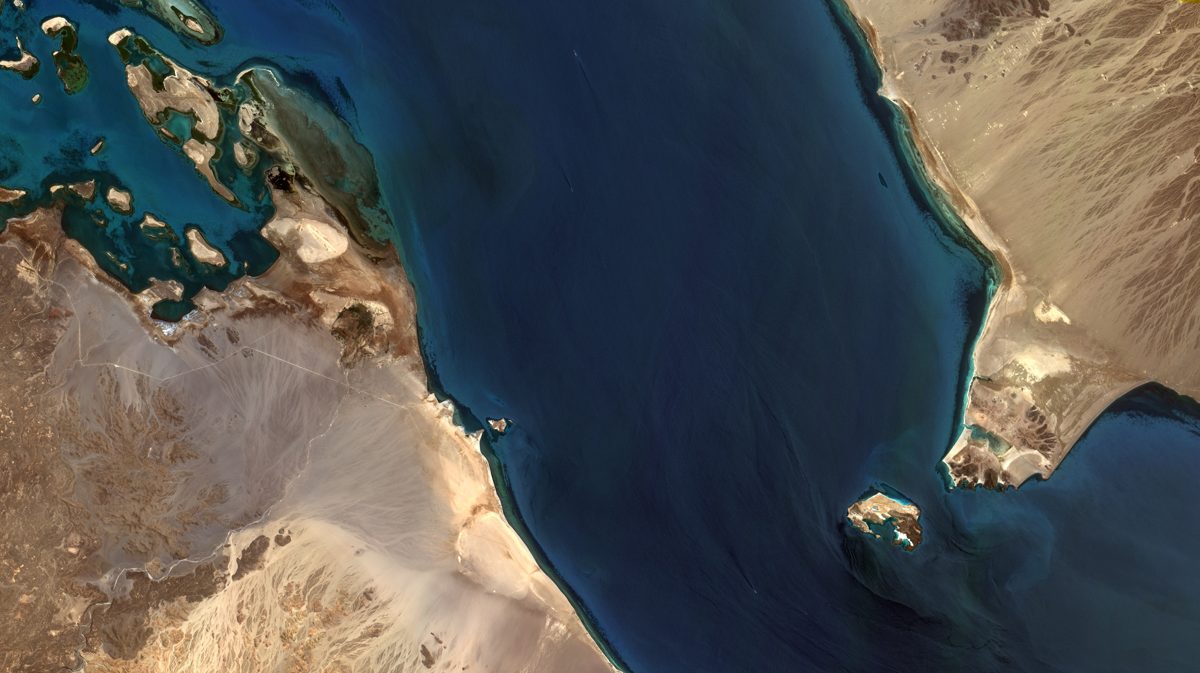
Southern forces said on Sunday they are redeploying from Dhubab Airport and the Bab el-Mandeb area toward Aden, ending a six week counteroffensive and leaving the Iran-aligned Houthis in control of ground overlooking the strait.
Key points
- Houthi fighters seized ground on Yemen's southern coast on Monday after Saudi-backed government forces fell back to defend Aden, military sources said.
- In Aden, residents said government security forces had set up more checkpoints and were carrying out identity checks.
- Three government sources told Reuters the government's focus is to secure Aden and the province of Lahj.
Updated 16:02 UTC, November 16
Houthi fighters seized ground on Yemen's southern coast on Monday after Saudi-backed government forces fell back to defend Aden, military sources said. Five Yemeni military sources told Reuters the fighters had advanced to Khor Omairh, on the coast about 100 km (62 miles) west of Aden, and stood 25 km (16 miles) from government lines at Qawah, also on the coast.
In Aden, residents said government security forces had set up more checkpoints and were carrying out identity checks. The city has been the government's seat of power since the Houthis took Sanaa in 2014. "Food supplies are available, and so is fuel. However, people are worried about the retreat of government forces and the possibility of fighting drawing closer to Aden," said Amin Mahmoud, a government employee in Aden, speaking to Reuters.
Three government sources told Reuters the government's focus is to secure Aden and the province of Lahj. They said government forces were redeploying and reorganising along the front lines to prepare to recapture the areas the Houthis seized.
Analyst Mohammed Al-Qadhi told Reuters the Houthis were benefiting from years of disagreements and infighting on the government side, and he called the fragmented state of government forces one of their major problems. "There is a serious threat to Aden because they are getting closer and closer. It is a major setback. The government was aiming to recapture Sanaa, but now they are defending Aden," he said.
Al Jazeera reported a separate position inland. Retired Lebanese Brigadier-General Hassan Jouni, a military and strategic expert, told Al Jazeera the Houthis have reached Tor al-Baha, 80 km (50 miles) from Aden, in the area where the defence of the city begins, and that the advances in the southwest threaten to cut off the government's coastal supply routes completely. "The Houthi forces have reached this line, meaning that they are indeed in the defensive line area of the city of Aden. We do not say they have approached Aden, but the defence of the city of Aden begins in this area," Jouni said. Yemeni Armed Forces spokesperson Majed al-Nuzaili defended the retreat from Dhubab on X, calling the redeployment part of a wider tactical manoeuvre to protect Aden. Strategic affairs expert Ali al-Dahab told Al Jazeera the withdrawal left a vast vacuum that the Houthis filled.
Yemeni forces fighting for the internationally recognised, Saudi-backed government said on Sunday, November 15, that they are withdrawing from an area overlooking the Bab el-Mandeb Strait, leaving the Iran-aligned Houthis in control there. The southern forces said they are redeploying toward Aden, where the government is based.
The Southern Armed Forces announced the "implementation of a redeployment operation for its forces from Dhubab Airport and the Bab el-Mandeb area," west of Taiz Governorate. "This step is taken based on the priority of securing the capital, Aden, and the neighbouring governorates, as well as strengthening the front lines and addressing existing threats," the statement said.
Why the strait matters
The Bab el-Mandeb Strait is one of the world's most important and busiest routes for global seaborne commodity and goods shipments, particularly from Asia to Europe via Egypt's Suez Canal. Reuters reported that the government retreat hands the Houthis greater leverage over the maritime chokepoint, creating a pressure point on global shipping while Iran continues to disrupt traffic through the Strait of Hormuz, on the other side of the Arabian Peninsula. That dual squeeze would further isolate Gulf oil producers from their main shipping routes, Reuters said.
The counteroffensive ends
Saudi-backed forces pulled back from the strait to defend their temporary capital, Aden, signalling the apparent end of a six week government counteroffensive to drive the Houthis from the mouth of the Red Sea, Reuters reported. Yemeni military sources said government forces around Bab el-Mandeb redeployed to al-Suqyah, 150 km (95 miles) west of Aden, though they were still trying to push the Houthis from coastal areas nearby.
A government offensive in October retook key positions around the strait. It failed to drive the Houthis entirely away from the area or retake the city of al-Mocha, further up the coast. The Houthis had made rapid gains in September, capturing the coast along the Red Sea and the Bab el-Mandeb Strait. The Abay Times reported that the Houthis, who hold the capital, Sanaa, and much of the north, captured the port of Mokha in September and pushed to within reach of the strait.
Taiz, and the people displaced
The Southern Armed Forces statement said the redeployment would also support efforts to break the Houthi siege of Taiz city, and the forces said the withdrawal did not mean they were abandoning the fight against the Houthis, The Abay Times reported. Houthi-run media gave a different account. An unnamed military source quoted there said government forces had lost their positions after being cornered and had been forced to pull back toward Aden. A government spokesman, Colonel Majid al-Nuzayli, said liberating the strait and the western coast remained their right, according to The Abay Times.
The International Organization for Migration has recorded 334,181 people displaced since the escalation began in June, according to its latest tracking update, reported by The Abay Times. As of November 10, Taiz hosted 141,096 of them, Lahj 84,714 and Aden 66,792.
Timeline
- Sep 2026The Houthis made rapid gains along the Red Sea coast, captured the port of Mokha and pushed to within reach of the Bab el-Mandeb Strait.
- Oct 2026A government offensive retook key positions around the strait but failed to drive the Houthis entirely away or retake al-Mocha.
- Nov 15, 2026The Southern Armed Forces announced a redeployment from Dhubab Airport and the Bab el-Mandeb area toward Aden, leaving the Houthis in control there.
- Nov 16, 2026Houthi fighters advanced to Khor Omairh on the southern coast, about 100 km (62 miles) west of Aden, after government forces fell back to defend Aden.
Sources
- Reuters: Yemen government forces withdraw from area near Bab el-Mandeb Strait, Houthis in control
- Reuters: Anti-Houthi forces retreat in Yemen as Iran strikes Bahrain
- The Abay Times: Yemeni forces quit Bab el-Mandeb area as Houthis gain ground
- Reuters: Houthis seize ground on Yemen's southern coast, edge closer to Aden
- Al Jazeera: Houthis advance in Yemen as government forces move to defend Aden