
Supreme Court to Decide if the 1868 Ban on Home Distilling Is Constitutional
The justices agreed on Monday to review a federal ban on distilling liquor at home that dates to 1868, after two appeals courts split in April over whether Congress used its taxing power too far.
Key points
- WASHINGTON.
- The justices took up the Trump administration's appeal of a ruling by the 5th US Circuit Court of Appeals in New Orleans, which declared the ban unconstitutional in April.
- Arguments will be heard in the coming months, and a ruling is expected by the end of June.
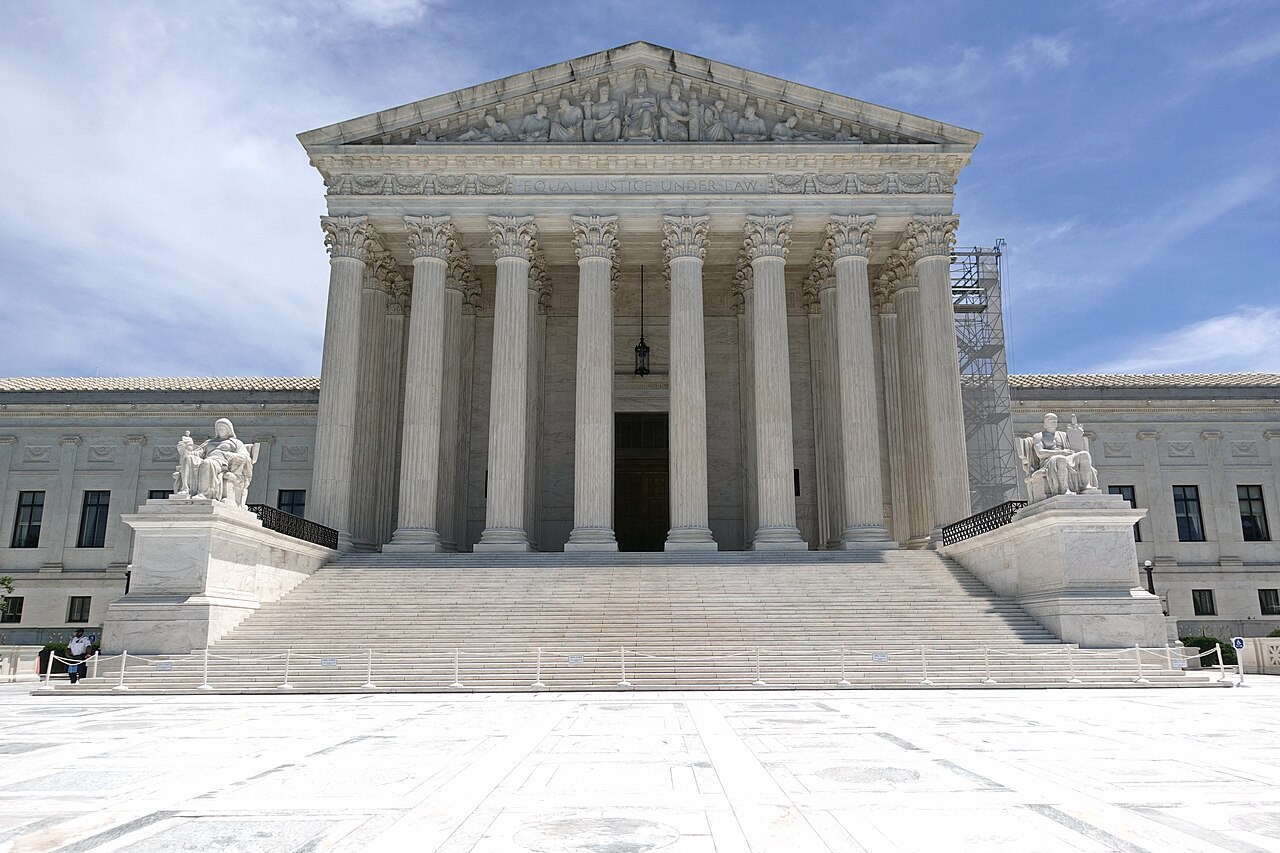
WASHINGTON. The Supreme Court agreed on Monday to decide whether Congress had the power to ban people from distilling liquor at home, a federal prohibition that dates to 1868 and carries up to five years in prison.
The justices took up the Trump administration's appeal of a ruling by the 5th US Circuit Court of Appeals in New Orleans, which declared the ban unconstitutional in April. The administration is defending the law. Challengers say Congress went beyond its power to tax when it told Americans they may not make spirits in their own homes, even for their own use.
Arguments will be heard in the coming months, and a ruling is expected by the end of June.
A tax law from 1868
Congress passed the ban after the Civil War, when lawmakers wanted to protect federal revenue and stop liquor tax evasion. Distilled spirits were a major source of tax money, and illegal stills cut into it. The current version of the law makes home distilling a crime punishable by up to five years in prison and a fine of 10,000 dollars.
The Justice Department told the justices that Congress restricted home distilling about 160 years ago after a long history of people evading the spirits tax. Department lawyers wrote that the tax on distilled spirits was used to pay Revolutionary War debts at the founding of the nation and now brings in billions of dollars in tax revenue every year.
Two appeals courts, two answers
Separate challenges to the ban split the federal appeals courts in April, only 11 days apart. The 5th Circuit ruled for members of the Hobby Distillers Association, a nonprofit group based in Texas, and said the ban was an unnecessary and improper way for Congress to use its taxing power. That ruling kept in place a 2024 decision by US District Judge Mark Pittman in Fort Worth, Texas, which bars federal authorities from enforcing the ban against the plaintiffs in that case.
Days later, the 6th Circuit Court of Appeals in Cincinnati reached the opposite result. It upheld the ban in a case brought by John Ream, a brewpub owner from Newark, Ohio, who wants to distill whisky at home for his own use. The 6th Circuit called the ban a necessary and proper means of collecting the federal excise tax on distilled spirits.
Attorneys general from 15 Republican led states, including Ohio, Florida and Idaho, backed the challengers and asked the justices to settle the split. "Unlike a good whiskey," they wrote, "this split will not age well."
What each side wants
Robert Alt, an attorney for the plaintiffs in the 5th Circuit case, said the challengers are thrilled that the Supreme Court agreed to hear the case. Lawyers for Ream argue that if the government's reading of the law is right, Congress could ban a wide range of activities inside private homes, including cooking, gardening and remote work.
The case now turns on a basic question about federal power: whether a tax on a product gives Congress the authority to ban people from making that product at home for themselves. The answer will decide whether the 1868 ban survives, and it will set the limits of the taxing power well beyond liquor.
Timeline
- 1868Congress bans home distilling after the Civil War as part of an effort to protect liquor tax revenue and stop tax evasion.
- 2024US District Judge Mark Pittman in Fort Worth, Texas, rules against the ban and bars federal authorities from enforcing it against the plaintiffs in the Hobby Distillers Association case.
- Apr 2026The 5th Circuit declares the ban unconstitutional, and days later the 6th Circuit upholds it, splitting the federal appeals courts 11 days apart.
- Oct 19, 2026The Supreme Court agrees to review the 5th Circuit ruling, with arguments in the coming months and a decision expected by the end of June.