
Ninth Circuit Blocks California Climate Disclosure Laws on First Amendment Grounds
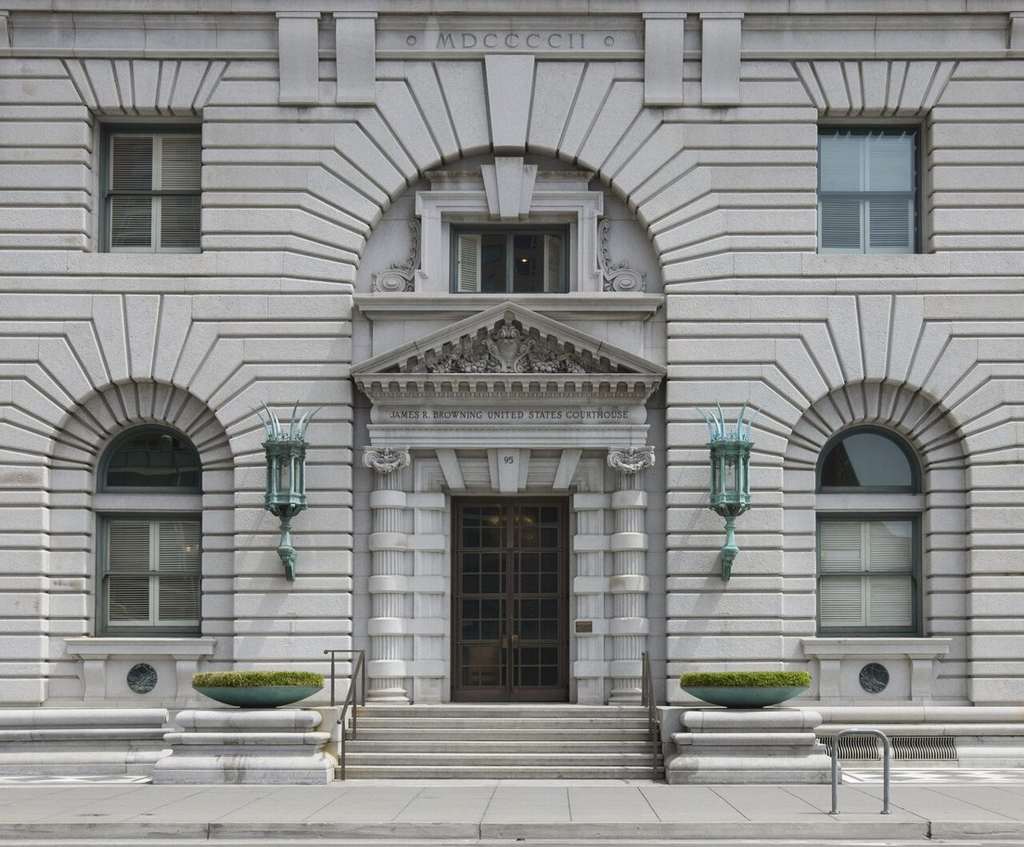
A three judge panel in San Francisco blocked California from enforcing its climate risk reporting law and the supply chain emissions part of its emissions law on Monday. Companies must still report their own emissions, with a filing deadline on Tuesday.
Key points
- SAN FRANCISCO: A federal appeals court blocked California from enforcing major parts of its first in the nation climate disclosure laws on Monday, November 9, 2026, ruling that the state had…
- The three judge panel of the 9th US Circuit Court of Appeals blocked the Climate-Related Financial Risk Act, known as Senate Bill 261, which requires companies with more than $500 million in…
- The panel also blocked part of the Climate Corporate Data Accountability Act, known as Senate Bill 253, which requires businesses with more than $1 billion in annual revenue to report emissions…
SAN FRANCISCO: A federal appeals court blocked California from enforcing major parts of its first in the nation climate disclosure laws on Monday, November 9, 2026, ruling that the state had likely compelled speech in violation of the First Amendment. The decision is a partial victory for the US Chamber of Commerce and business groups that sued to stop the two laws.
What the court blocked, and what it allowed
The three judge panel of the 9th US Circuit Court of Appeals blocked the Climate-Related Financial Risk Act, known as Senate Bill 261, which requires companies with more than $500 million in annual revenue to disclose climate related financial risks every two years. The panel was unanimous. It said the law would likely fail because it forced companies to share value-laden judgments on a politically fraught subject rather than simply provide facts, Reuters reported.
The panel also blocked part of the Climate Corporate Data Accountability Act, known as Senate Bill 253, which requires businesses with more than $1 billion in annual revenue to report emissions each year. The court stopped the state from requiring reports on indirect emissions from suppliers, customers and others in a value chain, called Scope 3 emissions. The panel said that requirement went too far.
California can still enforce the rest of Senate Bill 253. Companies must still report their own direct emissions, called Scope 1, and the emissions from energy they buy and consume, called Scope 2. A legal analysis by the law firm Foley and Lardner noted that the deadline to file Scope 1 and Scope 2 disclosures for 2025 falls on Tuesday, November 10, 2026.
The judges and the reasoning
Circuit Judge Jacqueline Nguyen, an appointee of former President Barack Obama, wrote the decision. "Climate change will increasingly affect human activity in the years ahead, forcing social, economic, and political systems to adapt to changing environmental conditions," she wrote. "The First Amendment, however, limits the government's ability to compel speech." Circuit Judge Mark Bennett, an appointee of President Donald Trump, dissented in part and would have blocked both laws in full. The case is Chamber of Commerce v. Sanchez, No. 25-5327, according to the Foley analysis.
How the case reached this point
Democratic Governor Gavin Newsom signed both laws in 2023, making California the first US state to require this kind of disclosure. Opponents argued that the laws would impose massive costs and violated free speech protections. The defendants include officials of the California Air Resources Board and Attorney General Rob Bonta. Neither office immediately responded to requests for comment on Monday, Reuters reported.
The appeals court sent the case back to US District Judge Otis Wright in Los Angeles, who had allowed California to enforce both laws. It had already stayed the financial risk law last November while the appeal was pending. Daryl Joseffer, president of the US Chamber Litigation Center, called the decision an "important victory" and said the Chamber will seek permanent injunctions. The California Chamber of Commerce also applauded the ruling in a November 9 statement from its president, Jennifer Barrera.
What happens next
The ruling is preliminary, and the case returns to the district court in Los Angeles. The parties have 14 days to ask for a rehearing, according to the Foley analysis. For companies covered by Senate Bill 253, the effect is split: Scope 1 and Scope 2 reporting stands, with its deadline on Tuesday, while supply chain reporting and the Senate Bill 261 risk report are blocked for now.
Timeline
- 2023Governor Gavin Newsom signs Senate Bill 253 and Senate Bill 261, making California the first US state to require climate disclosures of this kind.
- Nov 2025The 9th Circuit stays enforcement of the climate risk law, Senate Bill 261, while the appeal is pending.
- Nov 9, 2026A three judge 9th Circuit panel blocks Senate Bill 261 and the Scope 3 part of Senate Bill 253 on First Amendment grounds, while leaving Scope 1 and Scope 2 reporting in place.
- Nov 10, 2026Deadline for covered companies to file Scope 1 and Scope 2 emissions disclosures for 2025 under Senate Bill 253.
Sources
- Reuters: Court blocks California from enforcing climate disclosure laws
- Bloomberg Law: California Climate Reporting Law Partially Blocked on Appeal
- Foley and Lardner: California Climate Disclosure Laws, Ninth Circuit Ruling on SB 253 and SB 261
- California Chamber of Commerce: CalChamber Applauds Appeals Court Ruling on SB 253 and SB 261