
New York City, New York: Mamdani Signs COPA Law Giving Nonprofits First Chance to Buy Distressed Buildings
Mayor Zohran Mamdani signed the Community Opportunity to Purchase Act in Brooklyn on Tuesday, Nov. 10. Qualified nonprofits and community land trusts now get the first chance to offer on covered distressed apartment buildings before they reach the open market.
Key points
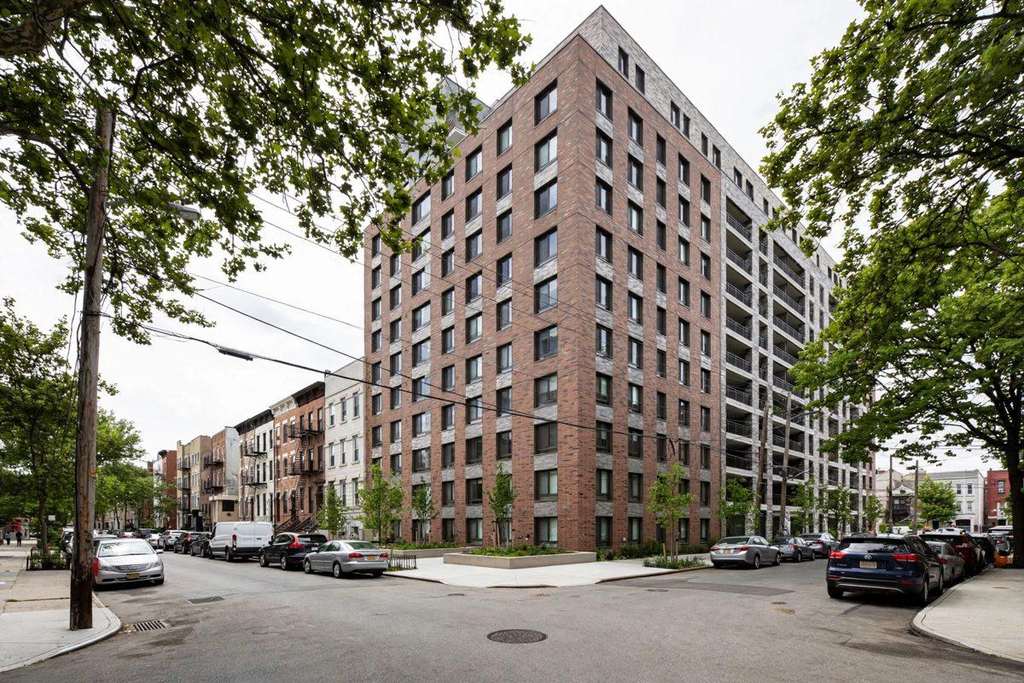
- Mayor Zohran Mamdani signed the Community Opportunity to Purchase Act into law on Tuesday, Nov. 10, 2026, at Chestnut Commons in Cypress Hills, Brooklyn.
- "I am so proud today to sign COPA into law," Mamdani told reporters, calling it a historic law that gives vetted community organizations the first opportunity to offer on eligible buildings before…
- The final version is narrower than earlier drafts.
Mayor Zohran Mamdani signed the Community Opportunity to Purchase Act into law on Tuesday, Nov. 10, 2026, at Chestnut Commons in Cypress Hills, Brooklyn. The law, known as COPA and filed as Intro. 905-A, gives vetted nonprofit housing groups, community land trusts and joint ventures the first chance to offer on covered distressed apartment buildings before an owner can list them on the open market. It was only the second bill Mamdani has signed in 11 months, the New York Post reported.
"I am so proud today to sign COPA into law," Mamdani told reporters, calling it a historic law that gives vetted community organizations the first opportunity to offer on eligible buildings before they reach the open market, according to the Post.
What the law covers
The final version is narrower than earlier drafts. It covers distressed multifamily buildings with at least four units, and buildings with 100 or fewer units under affordability agreements managed by the Department of Housing Preservation and Development, known as HPD. Distress is measured by violation counts and participation in the city Alternative Enforcement Program, The Real Deal reported. Officials at the signing put the reach at about 2,100 properties. An HPD spokesperson told The Real Deal that about 3,400 buildings could be eligible if put up for sale.
Before a covered building can be listed, the owner must alert HPD. Qualified groups have 20 days to say they intend to offer, and 70 days to submit a first offer. City Hall put the full window to offer and buy at 145 days. An owner does not have to accept a nonprofit offer. If the owner instead negotiates with an outside buyer, the qualified group gets 15 days to match the outside terms, and a match obliges the owner to sell to the group. Buildings of small landlords with five or fewer units sit outside the law, the Post reported.
Six years, three mayors and one veto
Council Member Sandy Nurse of Brooklyn sponsored the bill and counted its path at the signing: six years, four introductions, three mayors, two passages and one veto. The City Council passed the final version on Oct. 22, 2026, by 38 votes to 9 with two abstentions. An earlier version passed in December 2025 and was vetoed by Mayor Eric Adams on his last day in office. Nurse called the compromise the largest opportunity to purchase program in the country.
Mamdani tied the signing to his housing plan, Block by Block, and his pledge to preserve 200,000 affordable homes in a decade. Nurse warned that buying distressed buildings will cost a fortune, and hopes HPD preservation deals can help nonprofit buyers finance purchases.
What happens next, and the pushback
The law takes effect one year after the signing, on Nov. 10, 2027. In that year HPD must write the rules, publish a list of approved organizations and build an online portal for notices. Industry groups told The Real Deal they still have concerns about the new sale timeline.
Kenny Burgos, chief executive of the New York Apartment Association, gave the sharpest response. He pointed to a Mamdani backed bid by Spatial Equity to buy the former Emerald Equities portfolio in East Harlem, which failed the same day, sending its 38 buildings toward foreclosure sales. Burgos said the problem is rising expenses, a two year rent freeze and vacant rent stabilized units, not who can buy.
Timeline
- Dec 2025An earlier version of COPA passes the City Council and is vetoed by Mayor Eric Adams on his last day in office.
- Oct 22, 2026The City Council passes the narrowed final version of COPA, Intro. 905-A, by 38 votes to 9 with two abstentions.
- Nov 10, 2026Mayor Zohran Mamdani signs COPA into law at Chestnut Commons in Cypress Hills, Brooklyn.
- Nov 10, 2027The law takes effect, one year after the signing, after HPD writes the program rules and publishes its list of approved organizations.