
Two Ships Hit in Hormuz as Iran Says It Changed Tactics
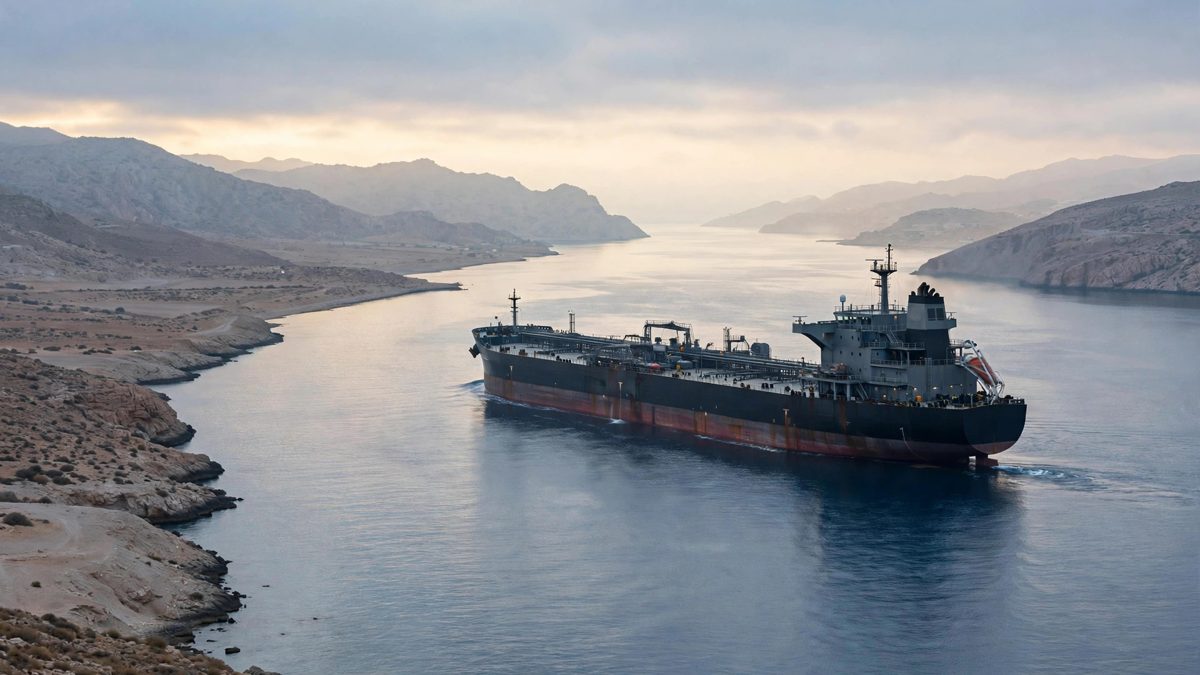
A container ship and a tanker were struck on Tuesday. Iranian officials told Reuters the stepped up attacks aim to keep oil high before the US midterms, and Brent held at $106.
Key points
- Two ships were struck by unknown projectiles in the Strait of Hormuz on Tuesday, Oct. 13, and Iranian officials told Reuters that Tehran changed its tactics about ten days ago to hit more vessels…
- The United Kingdom Maritime Trade Operations office said a container ship and a tanker were hit inside the strait on Tuesday.
- The Iran backed Houthis in Yemen attacked an administrative building of Saudi Aramco in Dhahran, the Saudi energy ministry said on Wednesday.
Two ships were struck by unknown projectiles in the Strait of Hormuz on Tuesday, Oct. 13, and Iranian officials told Reuters that Tehran changed its tactics about ten days ago to hit more vessels that defy its restrictions on the waterway. Oil rose again on Wednesday, Oct. 14. Brent crude gained 0.3 percent to $106.03 a barrel by 0630 GMT, after rising more than a dollar in early trade. US crude gained 0.3 percent to $94.42 a barrel.
The United Kingdom Maritime Trade Operations office said a container ship and a tanker were hit inside the strait on Tuesday. Maritime security sources counted at least five incidents involving tankers and other commercial ships around Hormuz in the past 48 hours. The two Iranian officials, who spoke to Reuters, said the new approach began about ten days ago and has raised the pace of attacks. They said the aim is to keep oil prices high in the run up to the US midterm elections. One official said Tehran will not let President Donald Trump bring prices down before the vote.
A second front in Saudi Arabia
The Iran backed Houthis in Yemen attacked an administrative building of Saudi Aramco in Dhahran, the Saudi energy ministry said on Wednesday. The attack caused a limited fire. The Houthis have fired missiles and drones at Saudi Arabia over the past week. Riyadh international airport has been hit four times. A strike on Saturday, Oct. 10 killed 13 people.
The two fronts put pressure on the same supply lines. Hormuz carries a large share of the oil and liquefied natural gas that moves by sea. Saudi Arabia is the one producer that can usually add barrels when others cannot. Attacks on both at once leave buyers with fewer options, and prices show it. Brent has held above $100 a barrel while the fighting continues.
Why it matters
Higher oil feeds straight into fuel and freight costs, and then into inflation data. The US consumer price report for September is due later on Wednesday, and economists expect energy to push the headline rate up to 3.6 percent from 3.4 percent. That link is why a shipping lane in the Gulf now sits inside the Federal Reserve debate in Washington. Iran crude exports have stayed at zero in October under the US naval blockade, which tightens supply further.
Priyanka Sachdeva, head of market insights at Phillip Nova, told Reuters that Iran knows the weight its geography carries and may keep using it. Traders will watch whether more ships turn away from the strait, whether insurers raise rates again, and whether Washington answers at sea.
What happens next
Shipping firms must decide in the next days whether to keep sending crews through the strait or wait. Each new strike raises that cost. The next test is simple: if attacks stop, oil gives back part of this rise fast. If they spread, $106 a barrel will not be the ceiling.
Timeline
- Oct 10, 2026A strike on Riyadh international airport kills 13 people, the fourth hit on the airport in a week of Houthi attacks.
- Oct 13, 2026A container ship and a tanker are hit by unknown projectiles inside the Strait of Hormuz, UK Maritime Trade Operations says.
- Oct 14, 2026Iranian officials tell Reuters new tactics began about ten days ago. Brent crude holds at $106.03 a barrel, and a Houthi attack sets a limited fire at an Aramco building in Dhahran.