
Voting Groups Sue Homeland Security Over Voter Records From at Least 47 States
The League of Women Voters, EPIC and LULAC say Homeland Security collected sensitive voter records from at least 47 states, mixed them with commercial data and moved them toward an immigration enforcement system. They want a federal judge to stop the effort and order the data deleted.
Key points
- Three voting and privacy groups have sued the Department of Homeland Security in federal court in Washington, accusing it of building a nationwide pool of voter records without legal authority,…
- The League of Women Voters, the Electronic Privacy Information Center and the League of United Latin American Citizens filed the lawsuit on October 15 in the U.S. District Court for the District…
- The groups say Homeland Security obtained voter registration records from at least 47 states, covering most of the country's roughly 174 million registered voters.
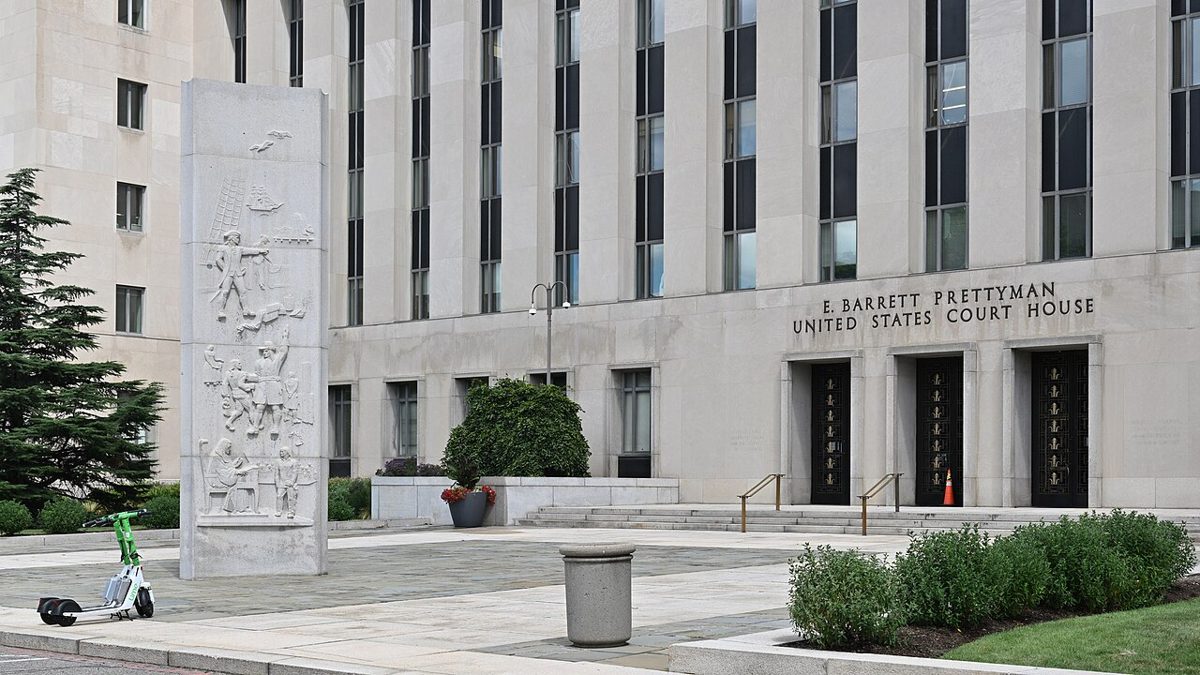
Three voting and privacy groups have sued the Department of Homeland Security in federal court in Washington, accusing it of building a nationwide pool of voter records without legal authority, two weeks before the November 3 midterms.
The League of Women Voters, the Electronic Privacy Information Center and the League of United Latin American Citizens filed the lawsuit on October 15 in the U.S. District Court for the District of Columbia. They are represented by Democracy Forward and Citizens for Responsibility and Ethics in Washington.
What the complaint says was collected
The groups say Homeland Security obtained voter registration records from at least 47 states, covering most of the country's roughly 174 million registered voters. The records can hold Social Security numbers, driver license numbers, dates of birth, home addresses, voting histories and political affiliations.
Internal records cited in the filing say that, as of June 2026, Homeland Security Investigations had taken in 50.6 million records obtained through the Justice Department and another 48.4 million from other sources. The complaint says the agency also supplemented voter records with information bought from commercial data brokers, without the transparency federal privacy law requires.
"The federal government has no business secretly collecting the sensitive personal information of millions of American voters and feeding it into immigration enforcement systems under the guise of election security," said Celina Stewart, the League's chief executive.
Moved toward an immigration enforcement system
A July report cited in the suit says voter files from Kentucky, Missouri, Michigan, New Mexico, Connecticut and Georgia had been "enriched" by the department's Innovation Lab, a data unit launched in 2019. An internal email dated May 26 said the lab's work focused on Justice Department voting rolls and immigration data, and described ingesting processed voter roll data into ELITE, an enforcement system built by Palantir that the department uses to identify, and in some cases locate, targets for immigration operations.
The suit says the enriched lists hold no citizenship data and are not limited to suspected noncitizen voters. A whistleblower report cited in the filing says employees were told more voter data would be added through what was called "supplemental magic."
"We see this as an attempt to work around what courts have found is a violation of the Privacy Act," Marcia Johnson of the League of Women Voters told Louisville Public Media. Using voter data in immigration enforcement could chill voting in November, she said: "I could be a citizen, I could be eligible, but I could be concerned about being prevented from voting."
False matches, and a fight that started with the Justice Department
The complaint says the methods have produced false matches. In Nevada, the department publicly claimed nearly 16,000 noncitizens were registered to vote, then cut that number to 185. Nevada officials then determined that every one of those people was a U.S. citizen.
The Justice Department sued states that refused to hand over unredacted voter lists. On July 23, a federal court dismissed its lawsuit seeking Kentucky voters' information. Kentucky Secretary of State Michael Adams is not a party to the new suit. His office told Louisville Public Media that Kentucky's voter rolls have not been improperly accessed or altered.
What the groups want
The plaintiffs ask the court to halt the program, bar the department from using or sharing the data, and order it deleted. Homeland Security has not answered the complaint in court, according to published reports. A spokesperson for Adams did not immediately respond to the Courier Journal, in Kentucky, where the state angle of the case surfaced on Tuesday.
Timeline
- 2019Homeland Security Investigations launches its Innovation Lab, the data unit the lawsuit says later enriched state voter files.
- May 26, 2026An internal email cited in the lawsuit says the Innovation Lab's processing focuses on Justice Department voting rolls and immigration data, with work on ingesting voter roll data into the ELITE enforcement system.
- June 2026As of June 2026, Homeland Security Investigations had taken in 50.6 million voter records through the Justice Department and another 48.4 million from other sources, according to internal records cited in the complaint.
- July 6, 2026A Homeland Security Investigations report says voter files from Kentucky, Missouri, Michigan, New Mexico, Connecticut and Georgia have been enriched by the Innovation Lab.
- July 23, 2026A federal court dismisses the Justice Department's lawsuit seeking unredacted voter information from Kentucky.
- Oct 15, 2026The League of Women Voters, EPIC and LULAC sue Homeland Security in the U.S. District Court for the District of Columbia, asking the court to halt the program and order the voter data deleted.
Sources
- Courier Journal: League of Women Voters claims DHS collected sensitive voter data
- Kentucky Lantern, via Louisville Public Media: Lawsuit alleges feds gathered sensitive data on Kentucky voters
- Democracy Forward: Voting Rights and Privacy Organizations Sue Trump-Vance Administration Over Secretive Collection of Millions of Americans' Voter Records
- Digital Watch Observatory: Federal lawsuit challenges DHS's collection of voter records