
FDA Orders Eye Warning on Ozempic, Zepbound and All GLP-1 Drugs
The agency says the diabetes and weight loss drugs may carry a rare increased risk of NAION, a condition that can cause sudden and permanent vision loss in one eye.
Key points
- The Food and Drug Administration on Monday required every maker of GLP-1 diabetes and weight loss drugs to add a warning about a rare eye condition that can cause sudden and permanent vision loss.
- The order covers the whole class, not one brand.
- NAION happens when blood flow to the front part of the optic nerve drops.
The Food and Drug Administration on Monday required every maker of GLP-1 diabetes and weight loss drugs to add a warning about a rare eye condition that can cause sudden and permanent vision loss. The condition, non-arteritic anterior ischemic optic neuropathy, known as NAION, will go into the Warnings and Precautions section of each drug's labeling, the agency said in a drug safety communication.
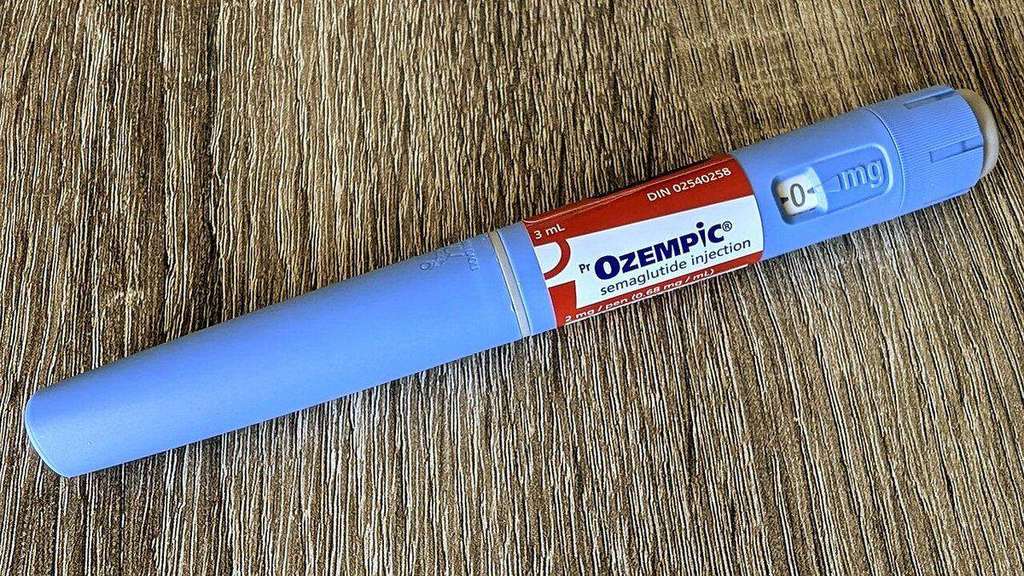
The order covers the whole class, not one brand. It reaches Novo Nordisk's Ozempic, Wegovy and Rybelsus, Eli Lilly's Mounjaro and Zepbound, older drugs such as Victoza, Saxenda and Trulicity, combination products such as Xultophy and Soliqua, and the oral drug Foundayo, approved this year.
What NAION does
NAION happens when blood flow to the front part of the optic nerve drops. The FDA describes it as a rare condition that can bring acute, painless loss of vision in one eye, including permanent loss. Patients may notice the loss when they wake up. Other symptoms include blurred or missing parts of vision, blind spots, distorted colors and reduced sharpness in the center of the visual field. The underlying cause is not completely understood, and there is no treatment that reverses it.
What the FDA found
The agency pooled 126 randomized clinical trials covering 134,253 patients and 288,879 person-years of follow up. It counted 15 probable NAION cases: 10 in patients taking a GLP-1 drug and five in patients on placebo, with none in patients on other glucose lowering medicines. The rate was 6.4 cases per 100,000 person-years on a GLP-1 drug, against 3.8 on the comparison treatments.
The FDA was plain about the limits of that evidence. It did not determine that the drugs cause NAION. It said several data sources, including trial data, animal studies, adverse event reports and its own real world study, point to a possible association, and that NAION cases have been reported with every GLP-1 drug now on the market. A July 2024 study in JAMA Ophthalmology, which examined the risk in patients prescribed semaglutide, helped prompt the review.
What patients and doctors are told to do
The FDA tells patients to report any sudden, painless vision loss or other visual change in one eye right away. It tells clinicians to refer a patient with suspected NAION promptly to an eye specialist, and to consider stopping the GLP-1 drug in a patient who develops NAION unless the benefits of treatment clearly outweigh the risk. The labeling change does not withdraw, recall or restrict any product.
Risk factors the agency lists for NAION include smoking, diabetes, high blood pressure, sleep apnea, anemia and kidney disease. Diabetes itself raises the risk of serious eye disease, which is one reason the signal has been hard to read.
Europe moved first, and lawsuits are waiting
European regulators acted earlier. A warning that semaglutide may cause NAION in up to 1 in 10,000 patients was added to European Wegovy and Ozempic labels in June, and the warning is already present on GLP-1 labels in the United Kingdom, the European Union and Australia, USA Today reported. US labels for Ozempic had been updated several times in recent years, but never for a vision risk before now.
The label change lands while the drugmakers face heavy litigation. Thousands of lawsuits accuse Novo Nordisk and Eli Lilly of failing to warn patients about complications they link to the drugs, including vision loss, and at least 4,000 complaints have been consolidated into larger federal and state cases, USA Today reported. Both companies deny any significant link between their GLP-1 drugs and NAION.
Timeline
- Jul 2024A study in JAMA Ophthalmology examines NAION risk in patients prescribed semaglutide, helping prompt an FDA review of the drug class.
- Nov 9, 2026The FDA requires every GLP-1 maker to add a NAION warning to the Warnings and Precautions section of its labeling.