
Des Moines, Iowa: Reynolds Declares Disaster After Bird Flu Hits a Turkey Flock of 44,000 in Sac County
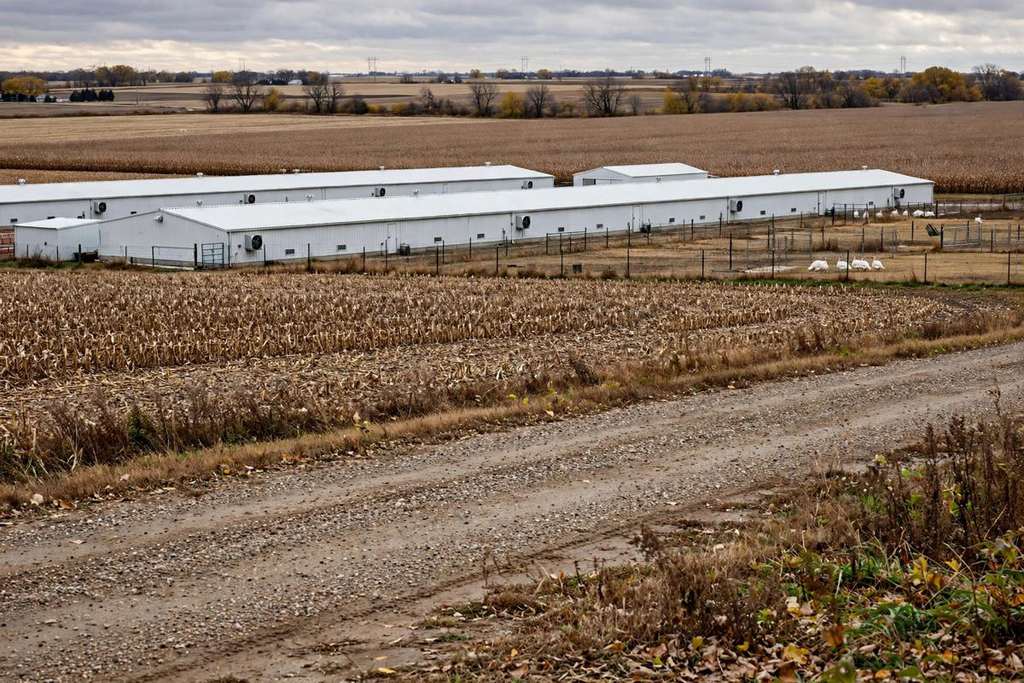
Governor Kim Reynolds signed a disaster declaration for Sac County on Wednesday, October 28, through November 27, after the USDA confirmed highly pathogenic avian influenza in a commercial turkey flock of 44,000 birds, the largest flock infected in Iowa this year and the state's eighth detection of 2026.
Key points
- Governor Kim Reynolds authorized a disaster declaration for Sac County in northwest Iowa on Wednesday, October 28, after the U.S. Department of Agriculture confirmed a case of highly pathogenic…
- The Des Moines Register reported that the flock holds 44,000 birds, which makes it the largest flock infected in Iowa so far this year.
- The declaration took effect immediately and runs through November 27, 2026.
Governor Kim Reynolds authorized a disaster declaration for Sac County in northwest Iowa on Wednesday, October 28, after the U.S. Department of Agriculture confirmed a case of highly pathogenic avian influenza at a commercial turkey site.
The Des Moines Register reported that the flock holds 44,000 birds, which makes it the largest flock infected in Iowa so far this year. The Iowa Department of Agriculture and Land Stewardship said the Sac County case is the state's eighth detection of the virus in 2026.
What the declaration does
The declaration took effect immediately and runs through November 27, 2026. It allows state resources from Iowa Homeland Security, the Iowa Department of Agriculture and Land Stewardship and other agencies to assist with tracking and monitoring, rapid detection, containment, disposal and disinfection at the affected site. The proclamation also waives regulatory provisions for commercial vehicles responding to affected sites, so crews and equipment can reach the premises without the usual paperwork delays.
Eighth detection this year
The department and the USDA Animal and Plant Health Inspection Service detected the case in the commercial turkey flock, and the department is urging poultry producers and backyard flock owners across Iowa to strengthen biosecurity and watch their birds for signs of the virus. Those signs include a sudden increase in bird deaths, lethargy and a lack of energy or appetite, a decrease in egg production, difficulty breathing, coughing, sneezing and diarrhea. Producers who suspect a case should contact their veterinarian at once, and possible cases must also be reported to the state agriculture department at (515) 281-5305.
The Register noted that birds in flocks where an infection is confirmed are destroyed to keep the disease from spreading. Before this case, every detection in Iowa since January had been in small backyard flocks. The last large outbreak was in January, when a hatchery in Kossuth County with 25,000 pheasants, quail and chukar partridges was hit.
A national outbreak in its fifth year
The current national outbreak began in February 2022 and usually grows stronger in spring and fall, when wild birds migrate. Waterfowl and other wild birds carry the virus, often without appearing sick, and spread it to domestic chickens, turkeys and other birds. Iowa is the largest egg producing state in the country and the seventh largest turkey producer, and it leads the nation in birds affected during this outbreak, with 30.8 million chickens, turkeys and other birds. Nationally, 210.2 million birds have been lost.
The governor's office said the recent detections in birds do not present an immediate public health concern and that it remains safe to eat poultry products. The state agriculture department says eggs and poultry remain safe when handled properly and cooked to an internal temperature of 165 degrees Fahrenheit, and the Centers for Disease Control and Prevention continues to rate the threat to the general public as low. Anyone who finds five to ten or more sick or dead wild birds in a small area is asked to report them to local Department of Natural Resources wildlife staff.
Timeline
- Feb 2022The current national outbreak of highly pathogenic avian influenza begins. Wild birds carry the virus and spread it to domestic flocks, and the outbreak grows stronger during spring and fall migration.
- Jan 2026A hatchery in Kossuth County, Iowa, with 25,000 pheasants, quail and chukar partridges is hit, the last large outbreak in Iowa before October. Detections after January are all in small backyard flocks.
- Oct 28, 2026The Iowa Department of Agriculture and the USDA confirm HPAI in a commercial turkey flock of 44,000 birds in Sac County, Iowa's eighth detection of 2026. Governor Kim Reynolds signs a disaster declaration for Sac County, effective through November 27, 2026.
Sources
- Office of the Governor of Iowa: Gov. Reynolds announces disaster proclamation for highly pathogenic avian influenza in Sac County
- Des Moines Register: Bird flu hits large NW Iowa turkey operation as fall migration begins
- Iowa Department of Agriculture and Land Stewardship via KXEL: HPAI detected in a commercial turkey flock in Sac County
- Brownfield Ag News: Iowa confirms eighth HPAI case of 2026