
The Smell of Cut Grass Is a Distress Signal Other Plants Can Read
Torn leaf cells release green leaf volatiles within seconds. The scent warns neighbours, primes their defences and calls in insects that hunt grass eaters.
Key points
- The smell of a fresh mowed lawn is a chemical alarm.
- People rate the smell among the most pleasant in nature.
- Healthy leaf cells keep fats and enzymes apart.
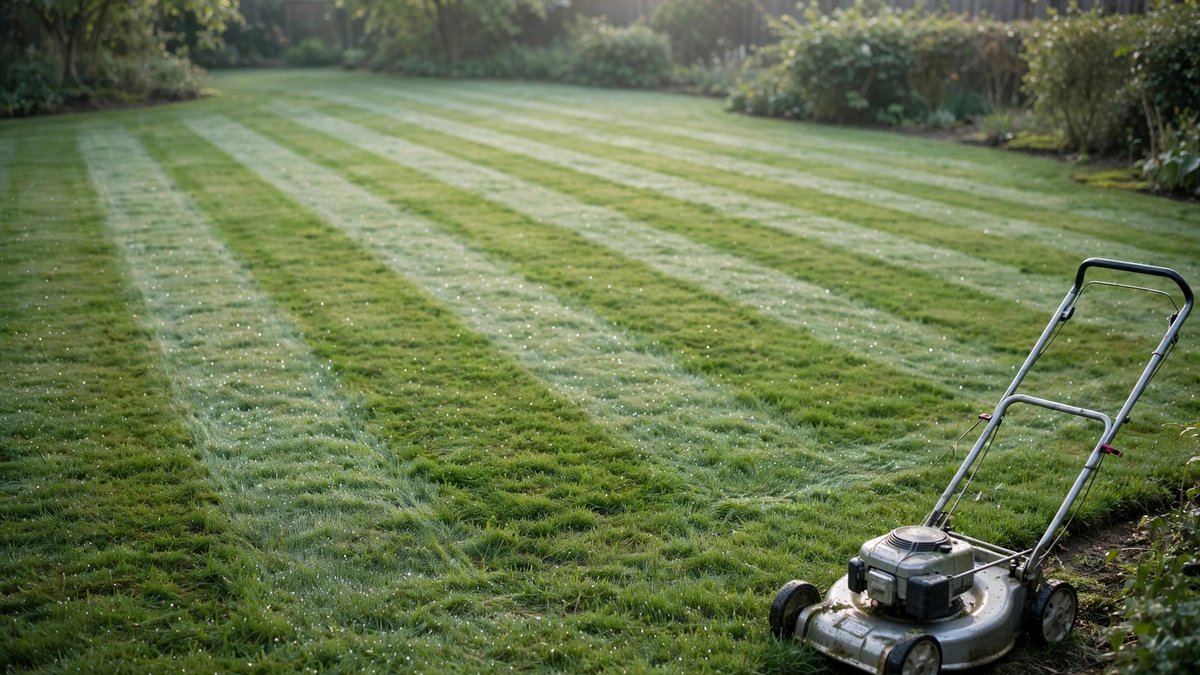
The smell of a fresh mowed lawn is a chemical alarm. When a mower blade cuts grass, the torn cells release a burst of compounds called green leaf volatiles. To nearby plants, that scent says damage is near. To insects that eat grass eaters, it can say dinner is here.
People rate the smell among the most pleasant in nature. The grass is not sharing a perfume. It is broadcasting an injury report in the only language it has.
The chemistry fires in seconds
Healthy leaf cells keep fats and enzymes apart. A cut mixes them. Enzymes from the lipoxygenase pathway break fatty acids from the cell membranes into six carbon fragments: aldehydes, alcohols and esters known as green leaf volatiles.
The sharpest note is cis-3-hexenal. A peer reviewed study in the journal Plant Signaling and Behavior notes these volatiles pour out within minutes of tissue damage. Other work puts the first burst at seconds. Cis-3-hexenal is unstable. It quickly changes into related compounds, including cis-3-hexenol, called leaf alcohol, which is why the strong smell fades fast. Human noses detect cis-3-hexenal at extremely low levels, around 0.25 parts per billion in air, so a single mowed strip can scent a whole street.
A warning other plants can use
The signal does real work. In a 2004 study in the journal PNAS, corn seedlings exposed to green leaf volatiles from cut neighbours changed their chemistry. When caterpillar damage followed, the primed plants produced more jasmonic acid, a defence hormone, and released more defensive volatiles than plants that got no warning. The volatiles did not just mark damage. They prepared undamaged plants for attack.
The same scent can recruit help. Green leaf volatiles attract predators and parasitic wasps that hunt the insects chewing the plant, and some of the compounds slow microbes at the wound, like a first dressing on a cut. One release serves three jobs: warn the plant's own far leaves, warn the neighbours, and call in hunters.
Not pain, chemistry
It is tempting to call the smell a scream. Plants have no nerves, no brain and no pain system, and scientists who study these signals keep that line clear. What the mower triggers is a fast, automatic chemical response built by evolution. The lawn is not suffering out loud. It is running defence software written in molecules, and your nose happens to read the broadcast as the smell of summer.