
Ukraine Neptune Strike Hits Six Russian Su-34 Jets at Borisoglebsk Air Base
Ukraine says an overnight Neptune missile strike damaged six Su-34M fighter-bombers at the Borisoglebsk air base in Russia's Voronezh region. Satellite pictures published on Thursday show four of the jets destroyed and two badly damaged.
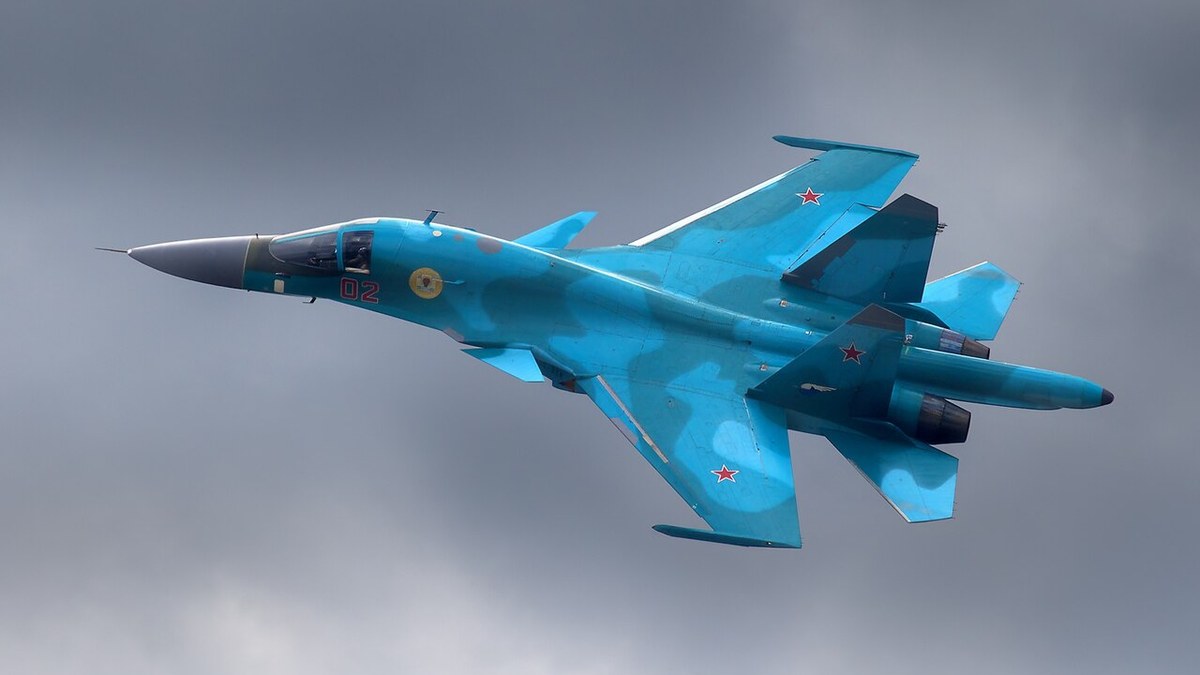
Key points
- Ukraine's military said on Thursday that an overnight strike with Neptune missiles damaged six Russian Su-34M fighter-bombers at the Borisoglebsk air base in the Voronezh region, deep inside Russia.
- Satellite pictures published on Thursday point to heavy losses at one parking area.
- The Ukrainian Navy said it attacked Borisoglebsk on the night of October 14 to 15 with its Neptune coastal missile system.
Ukraine's military said on Thursday that an overnight strike with Neptune missiles damaged six Russian Su-34M fighter-bombers at the Borisoglebsk air base in the Voronezh region, deep inside Russia. The General Staff said on Telegram that it had confirmed damage of varying degrees to all six aircraft.
Satellite pictures published on Thursday point to heavy losses at one parking area. Images shared by AviVector, a Ukrainian aviation monitoring channel, compare the base on October 13, when six Su-34 jets sat at the spot that was later hit, with the scene after the strike. Four of the jets appear completely destroyed and two show significant damage. Defence Blog reported that pro-Russian Telegram channels also acknowledged the losses.
What Ukraine says happened
The Ukrainian Navy said it attacked Borisoglebsk on the night of October 14 to 15 with its Neptune coastal missile system. The Navy said the strike hit six Su-34M bombers, the modernised version of the aircraft, and destroyed equipment used to support flight operations. Secondary explosions and a fire followed at the base.
The Navy said the strike weakens Russia's aviation strength and reduces how much tactical aviation Russia can use in the relevant areas of the front. It said it was still assessing the full results, including damage to support equipment and infrastructure at the base.
Why these jets matter
The Su-34 is the main aircraft Russia uses to drop heavy guided glide bombs on Ukrainian troop positions and frontline towns, Defence Blog reported. Fitted with wing kits, those bombs can be released tens of kilometres from the target, outside the reach of many Ukrainian short-range air defences. That range is what makes the bombers themselves a priority target for Kyiv.
Reuters described the Su-34M as a large fighter-bomber costing tens of millions of US dollars apiece, used often by Russia to drop glide bombs on Ukrainian cities near the front line.
The base and the missile
Borisoglebsk hosts the 783rd training aviation centre, one of the main schools for Russian strike and bomber pilots, along with units of the 105th composite aviation division that fly Su-34, Su-35S and Su-30SM jets, the Ukrainian defence outlet Militarnyi reported. Residents reported a missile alert and a series of explosions in the town on the evening of October 14.
The base has been attacked before, in October 2024, in July 2025 and again in July 2026, when a fuel and lubricants storage site was destroyed. This strike came days after Russia's United Aircraft Corporation delivered a new batch of Su-34 jets to the Russian Aerospace Forces.
Ukraine developed the Neptune as an anti-ship missile. It became widely known after two of them sank the Russian Black Sea Fleet flagship Moskva in April 2022. Ukrainian engineers have since adapted it for strikes on land targets, and longer-range versions have hit military sites deep inside Russia.
What is not confirmed
Reuters said it could not independently verify the battlefield reports, and the reports published on Thursday carried no Russian confirmation of the losses. The satellite pictures are the strongest public evidence so far: they match the Ukrainian account that six jets were hit at the same parking area, with four destroyed outright.
Timeline
- Oct 13, 2026Satellite pictures show six Su-34 jets parked at the part of Borisoglebsk air base that was struck two nights later.
- Oct 14, 2026Residents of Borisoglebsk report a missile alert and a series of explosions in the evening, before the overnight strike.
- Oct 15, 2026Ukraine's General Staff says all six Su-34M jets were damaged in the Neptune strike, and satellite pictures published the same day show four destroyed and two badly damaged.