
Supreme Court Declines Trump Appeal, Leaving $59 Million in UC Research Grants in Place
The court turned away the administration's appeal on Monday, November 16, leaving in place a lower court ruling that preserved about $59 million in University of California research grants after judges found the diversity related cuts likely violated the First Amendment.
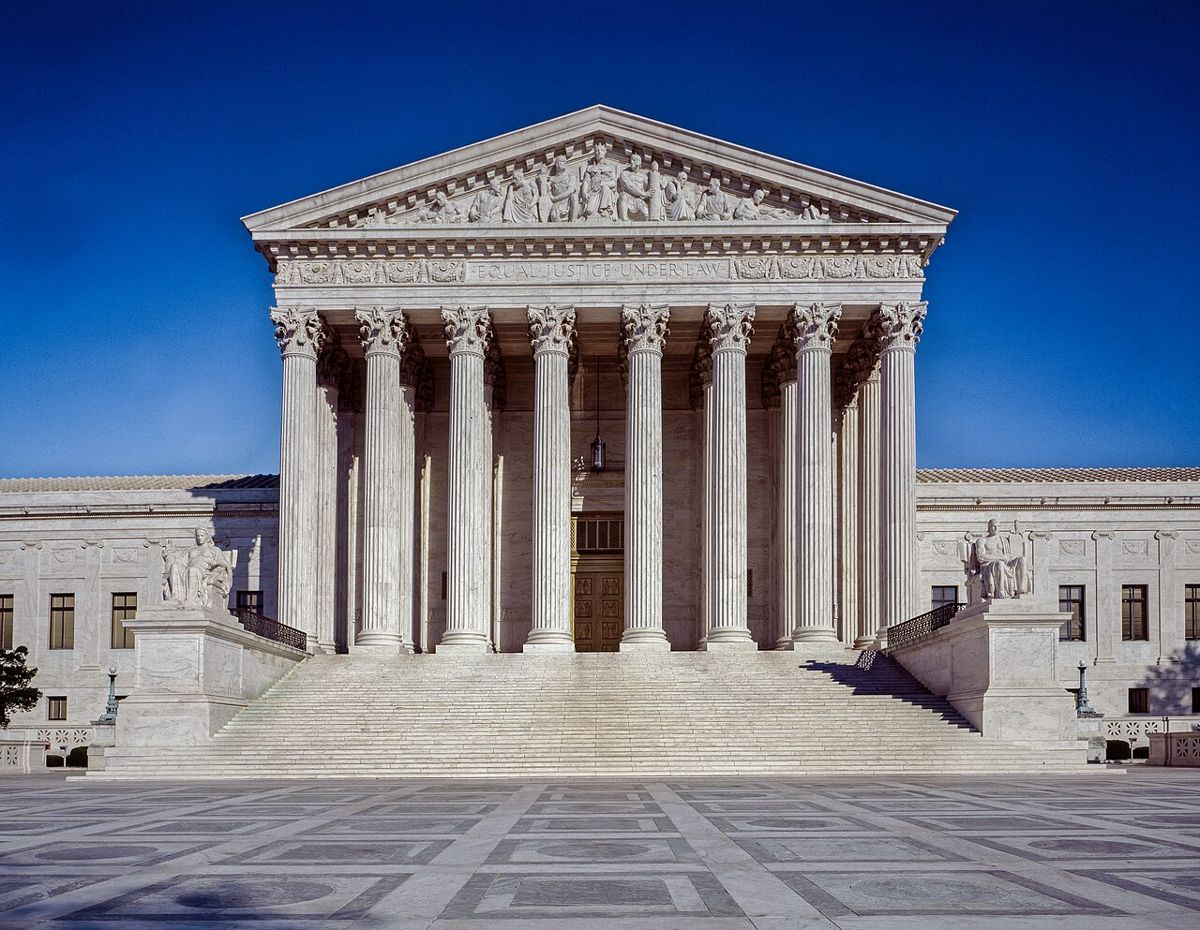
Key points
- The US Supreme Court on Monday, November 16, declined to hear an appeal by President Donald Trump's administration over its cuts to about $59 million in federal grants to researchers in the…
- The lower court found that the terminations were likely unconstitutional because they suppressed viewpoints with which the government disagrees, and that the cuts likely violated the researchers'…
- After Trump signed executive orders in January 2025 targeting diversity, equity and inclusion programs and gender ideology, the National Science Foundation and the National Endowment for the…
The US Supreme Court on Monday, November 16, declined to hear an appeal by President Donald Trump's administration over its cuts to about $59 million in federal grants to researchers in the University of California system. The grants were cut as part of the administration's crackdown on diversity, equity and inclusion initiatives. The court left in place a lower court ruling that preserved the grants.
The lower court found that the terminations were likely unconstitutional because they suppressed viewpoints with which the government disagrees, and that the cuts likely violated the researchers' First Amendment rights. Monday's action is not a ruling on the merits. The lower court decision stands while the underlying case continues.
How the grants were cut
After Trump signed executive orders in January 2025 targeting diversity, equity and inclusion programs and gender ideology, the National Science Foundation and the National Endowment for the Humanities cut off grants for researchers in the University of California system. The terminated grants funded projects that included efforts to foster discussion about racial equity in science education institutions and to expand science education opportunities for Indigenous youth, according to court papers.
One three year grant focused on reducing the health risks of wildfire smoke in communities of color and low income communities. Another aimed to advance racial equity in outdoor and environmental science education.
The court fight
Researchers filed a class action lawsuit in 2025, accusing the administration of violating their First Amendment rights through discriminatory funding cuts based on the content and viewpoint of their research.
US District Judge Rita Lin halted the administration's termination of the grants. She found the researchers were likely to win their claim that the cuts amounted to unconstitutional viewpoint discrimination. The San Francisco based 9th US Circuit Court of Appeals upheld that portion of Judge Lin's ruling, and the administration then appealed to the Supreme Court.
The 9th Circuit wrote: "The Supreme Court has explained that where the government establishes a subsidy program, it may not discriminate between speakers within that program to suppress viewpoints with which it disagrees."
What each side argued
The administration argued that the government has broad discretion to decide what research it will fund, including the ability to end support for projects that conflict with its policy agenda. Letting the lower court decision stand, the administration told the justices, would create "a dangerous precedent that will hamstring every future administration when seeking to subsidize private projects that promote viewpoints aligned with government policy."
Attorneys for the researchers answered in a filing: "It is one thing for Congress to set priorities in funding and quite another for the President to terminate already approved funding because of the viewpoints perceived to be expressed in the research."
What happens next
The Supreme Court has a 6 to 3 conservative majority. In August 2025, the court allowed Trump to proceed with sweeping cuts to National Institutes of Health grants for research related to racial minorities or LGBT people. That ruling rested on procedural grounds, not on the First Amendment.
A separate challenge over grants terminated without a specific explanation is still running in a court that handles government contract disputes. The University of California case also continues in the lower courts.
Timeline
- Jan 2025President Donald Trump signed executive orders targeting diversity, equity and inclusion programs and gender ideology. The National Science Foundation and the National Endowment for the Humanities then cut off grants for researchers in the University of California system.
- 2025Affected researchers filed a class action lawsuit accusing the administration of violating their First Amendment rights through funding cuts based on the content and viewpoint of their research. US District Judge Rita Lin halted the terminations, and the 9th US Circuit Court of Appeals upheld that portion of her ruling.
- Aug 2025The Supreme Court allowed Trump to proceed with sweeping cuts to National Institutes of Health grants for research related to racial minorities or LGBT people, in a ruling based on procedural grounds, not the First Amendment.
- Nov 16, 2026The Supreme Court declined to hear the administration's appeal, leaving in place the lower court ruling that preserved about $59 million in University of California research grants.