
World Court to Deliver Myanmar Genocide Judgment Over Rohingya Campaign
Judges in The Hague will read the final ruling on Thursday in The Gambia's seven-year case against Myanmar. A ruling for The Gambia would be the first time an international court has found a state responsible for genocide.
Key points
- **Updated 05:49 UTC: Developing story.**
- The International Court of Justice will deliver its judgment on Thursday in the genocide case brought by The Gambia against Myanmar over the military campaign that drove the Rohingya out of…
- The case has run for seven years.
**Updated 05:49 UTC: Developing story.**
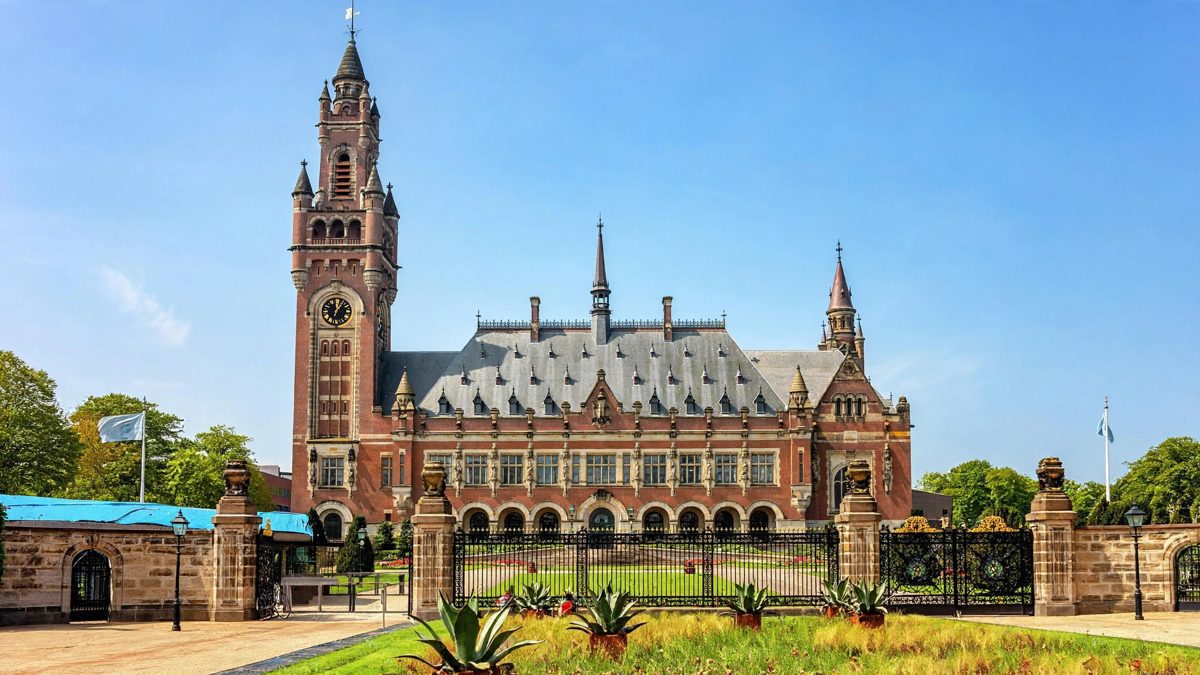
The International Court of Justice will deliver its judgment on Thursday in the genocide case brought by The Gambia against Myanmar over the military campaign that drove the Rohingya out of Rakhine State in 2017. The reading begins at 10 a.m. local time at the Peace Palace in The Hague, which is 09:00 GMT, and is expected to last up to 90 minutes.
The case has run for seven years. If the judges find in favour of The Gambia, it would be the first time an international court has found a state responsible for committing genocide. Individuals have been prosecuted for genocide over Rwanda and the former Yugoslavia since the Genocide Convention was signed in 1948. No state has ever been found responsible.
What the court must decide
The Gambia filed the case on November 11, 2019, backed by the Organisation of Islamic Co-operation. It argues that Myanmar, as a state, breached the 1948 Convention on the Prevention and Punishment of the Crime of Genocide. Eleven other states have intervened in the proceedings. The case is not a criminal trial of any named official. The judges must decide whether Myanmar itself bears responsibility, and whether the conduct of its military and other state organs broke its obligations under the convention.
Arsalan Suleman, the lawyer leading the case against Myanmar, told the BBC: "It would be a judgment of landmark importance if The Gambia were to win this case."
The 2017 campaign
In August and September 2017, Myanmar's military carried out a sweeping operation in northern Rakhine State. At least 730,000 Rohingya fled into neighbouring Bangladesh. Reuters reports that 1.2 million Rohingya are now in the Cox's Bazar refugee settlement in Bangladesh, where many will follow the judgment on Thursday.
A United Nations fact-finding mission concluded that the campaign included genocidal acts. A UN report in 2018, based on hundreds of interviews, said the army's tactics were grossly disproportionate to the security threats it faced. Human rights groups and the UN mission documented accounts of killings, torture, mass rape and villages burned.
Myanmar denies genocide and ethnic cleansing. Its authorities say the military was responding to attacks by Rohingya militants and carried out clearance operations against insurgents.
Why the ruling reaches beyond Myanmar
Genocide is hard to establish in court because the intent to destroy a group, in whole or in part, must be proved. Legal experts will read this judgment closely for how the bench assesses state responsibility, and Reuters reports the ruling is expected to have repercussions for South Africa's 2023 case accusing Israel of genocide in Gaza. Both Israel and Myanmar deny genocide and say their forces responded to attacks by armed groups.
The court's judgment is final and cannot be appealed. It is legally binding, but the court has very limited means to enforce it and imposes no penalty. The public hearings on the merits were held in January 2026, and the judges have deliberated since then. This story will be updated in place when the judgment is read.
Timeline
- Aug 2017Myanmar's military begins its campaign in northern Rakhine State. At least 730,000 Rohingya flee to Bangladesh.
- Nov 11, 2019The Gambia files the genocide case against Myanmar at the International Court of Justice, backed by the Organisation of Islamic Co-operation.
- Jan 2026The court holds public hearings on the merits of the case in The Hague.
- Nov 19, 2026Judges read the final judgment at the Peace Palace, starting at 10 a.m. local time. The ruling cannot be appealed.