
Pentagon Loans Military Heat Ray to Homeland Security for Testing at the Southern Border
A memo signed by Defense Secretary Pete Hegseth lends one Active Denial System to the Department of Homeland Security for seven months of testing. The weapon has never been used at the border, and border officials have turned it down before.
Key points
- The Pentagon has given the Department of Homeland Security permission to test a military heat ray at the southern border of the United States, under a memo signed by Defense Secretary Pete Hegseth…
- The weapon, called the Active Denial System, fires an invisible beam of electromagnetic waves that reaches a little more than half a mile, according to the United States military.
- The memo authorizes a temporary loan of one Active Denial System for seven months, starting in September.
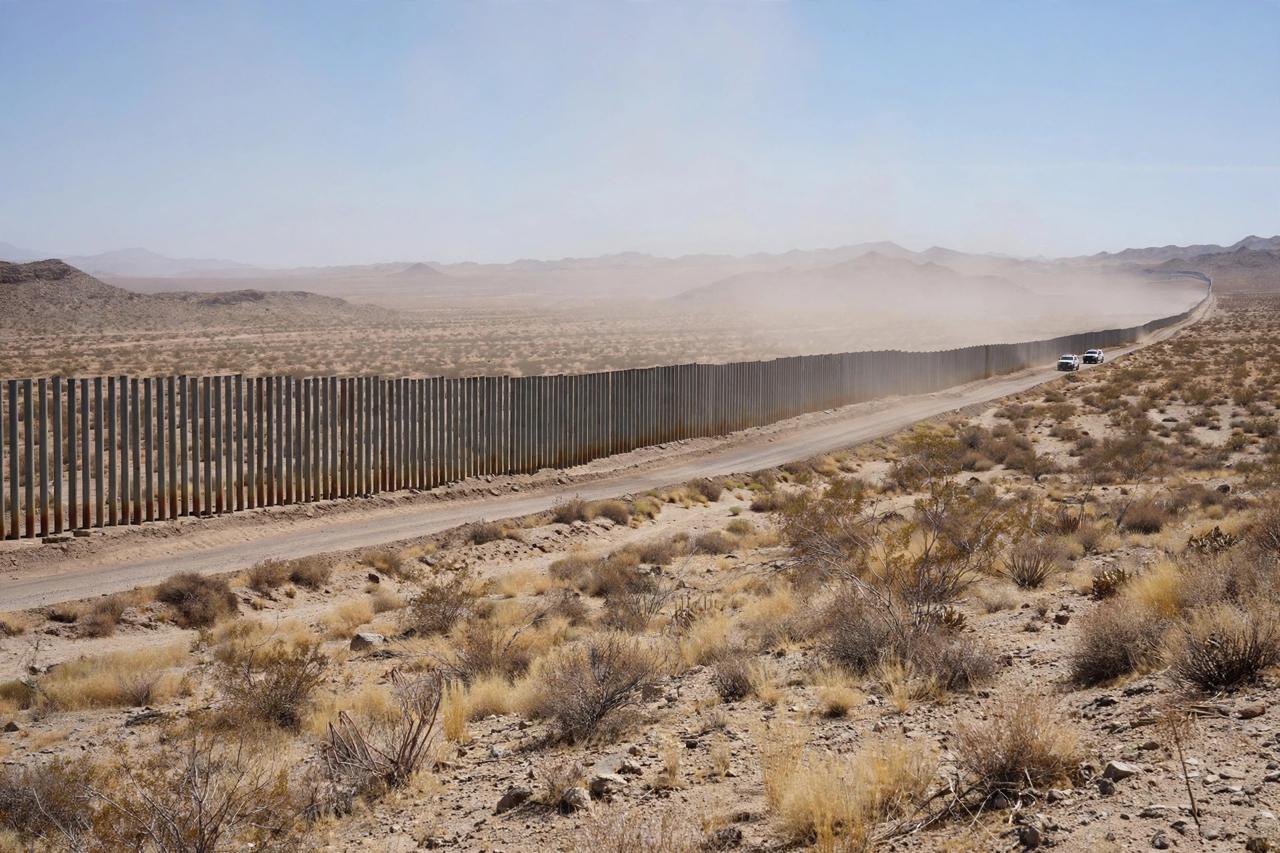
The Pentagon has given the Department of Homeland Security permission to test a military heat ray at the southern border of the United States, under a memo signed by Defense Secretary Pete Hegseth in September and obtained by CNN. Military.com confirmed the loan on October 21, with the same Customs and Border Protection response CNN received.
How the heat ray works
The weapon, called the Active Denial System, fires an invisible beam of electromagnetic waves that reaches a little more than half a mile, according to the United States military. The beam heats the surface of the skin and produces a burning feeling that Pentagon officials have compared with the blast of heat from opening a hot oven. Military officials say the sensation lasts between 10 and 15 minutes and creates an instinctive and irresistible urge to run from the effect. The military classifies the system as nonlethal.
What the memo allows
The memo authorizes a temporary loan of one Active Denial System for seven months, starting in September. It states that the system shall not be operated by Department of War personnel, and it makes Homeland Security solely responsible for using the system and for developing the tactics, techniques and procedures that govern its use. When the seven month loan ends, Homeland Security can submit a request for further use of the system in border operations, a defense official told CNN. The department's request did not specify where or how the system would be tested.
A Customs and Border Protection spokesperson told CNN that the agency is continually evaluating new technologies, especially those that enhance operational effectiveness and strengthen mission capabilities. The Pentagon referred CNN to Homeland Security when asked for comment, and it gave Military.com the same referral.
An idea the border agency has weighed before
The United States military sent the system to Afghanistan and brought it home without ever using it in combat. Officials also considered using it for crowd control at United States facilities abroad where terrorist detainees were held, and declined, a source familiar with those discussions told CNN. The El Centro sector of the Border Patrol, which covers around 70 miles of the border with Mexico, evaluated the system several years ago, when Rodney Scott, who now serves as the Customs and Border Protection commissioner, led that sector. In 2018, before the midterm elections, border officials weighed using the system against migrants, and Homeland Security Secretary Kirstjen Nielsen rejected the idea. Officials also considered deploying it during domestic unrest at the end of President Donald Trump's first term, when protests erupted over the murder of George Floyd.
The concerns on the record
Former officials told CNN that the earlier debates ran into questions about legality, use of force, effectiveness and sovereignty, in particular if the beam were aimed at people in Mexico who had not yet crossed into the United States. The chief concern was whether people could be harmed, directly or indirectly. "Even if they're chasing people back to the river, you don't want them to go in and drown," a former Customs and Border Protection official told CNN. A former Homeland Security official put the objection in different terms: "The issue was treating immigrants and citizens like enemy combatants." Some Border Patrol agents have questioned whether the tool is needed at all, with crossings low and staffing up, a former border official said. Using the system at the border would still be a first. It has never been deployed there.
Timeline
- 2018Customs and Border Protection officials weigh using the Active Denial System against migrants before the midterm elections, and Homeland Security Secretary Kirstjen Nielsen rejects the idea.
- September 2026Defense Secretary Pete Hegseth signs a memo loaning one Active Denial System to the Department of Homeland Security for seven months.
- Oct 21, 2026CNN reports the memo, and Military.com confirms the loan with the Customs and Border Protection and the Pentagon.