
This Tiny Jellyfish Can Restart Its Own Life
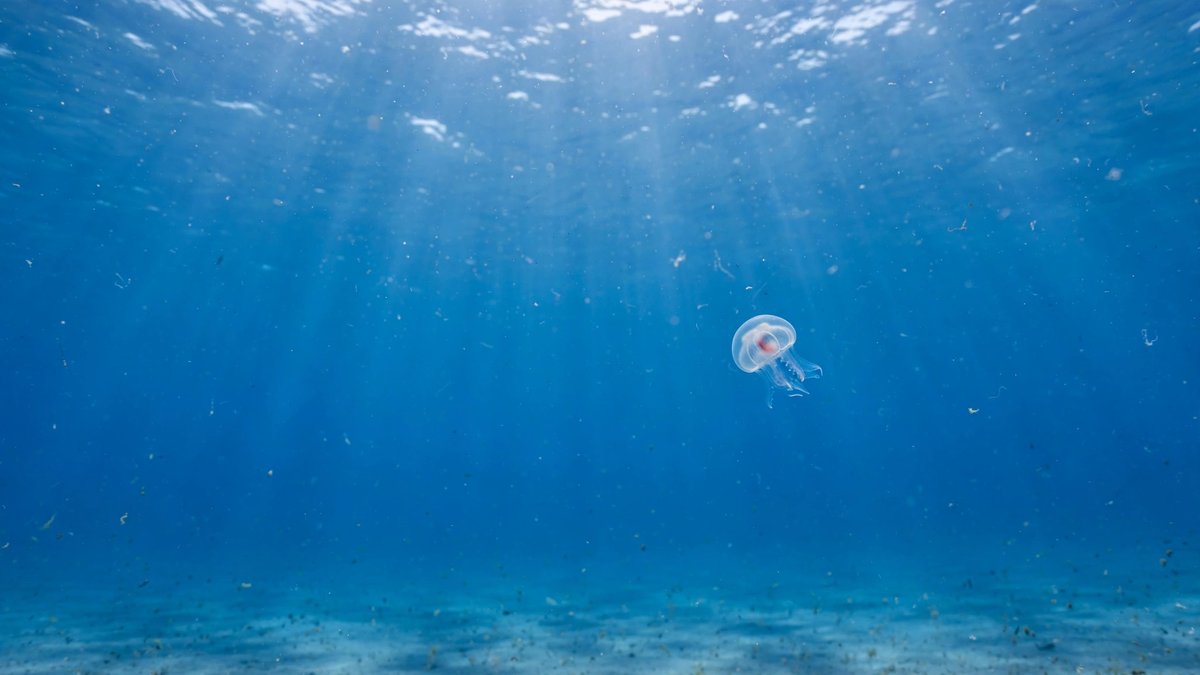
Turritopsis dohrnii is only about 4.5 millimetres across, smaller than a pinky nail. When injured, sick or starving, the adult can revert to its juvenile polyp stage and grow up again, a cycle biologists call biologically immortal.
Key points
- This tiny jellyfish can grow old, then grow young again.
- It is only about 4.5 millimetres across, smaller than a pinky nail, yet it can restart its own life from the start.
- Its scientific name is Turritopsis dohrnii.
This tiny jellyfish can grow old, then grow young again. It is only about 4.5 millimetres across, smaller than a pinky nail, yet it can restart its own life from the start.
Meet the immortal jellyfish
Its scientific name is Turritopsis dohrnii. Biologists call it the immortal jellyfish, and the name comes from one strange ability. After it reaches maturity, it can turn back into a younger form of itself and grow up all over again.
Most animals move in one direction. They are born, they grow, they age, and they die. This jellyfish can break that order. When life gets hard, it does not only try to survive as an adult. It can return to an earlier stage and begin again.
The animal is tiny. At about 4.5 millimetres across, it is smaller than a pinky nail.
How the restart works
The jellyfish starts life as a free floating larva. The larva drifts, then settles on a hard surface. There it becomes a polyp, a small branching form fixed in place. That polyp buds off adult medusae, the free swimming jellyfish form.
The strange part comes later, after maturity. If the adult is injured, sick or starving, it can revert to its juvenile polyp stage. It goes back to that early, settled form. From there, it can grow up again and produce new adult medusae.
Smithsonian Magazine compares it to a butterfly turning back into a caterpillar and then becoming a butterfly again. The comparison helps because the change is not simple healing. A wound closing is repair. This is a full return to a younger stage of life, followed by a second trip through growth.
Immortal does not mean invulnerable
Biologists call the animal biologically immortal for one reason. In theory, the cycle of growing up and turning back can repeat without a known limit. Grow up, fall back to a polyp, grow up again. No fixed number of rounds has been found.
That does not make it invulnerable. It can still be eaten. It can be infected. It can be killed. A predator or a disease can end its life like any other small sea animal.
It also does not mean scientists have watched one individual live forever. No individual has been watched living forever. The claim is narrower and still remarkable. The life cycle itself has a way back, and that way back can, in theory, be used again and again.
Why scientists mapped its genome
In 2022, researchers at the University of Oviedo mapped the genome of this jellyfish. Their study appeared in Proceedings of the National Academy of Sciences. They wanted to understand the mechanisms behind this rejuvenation, step by step, in its genes.
That work matters beyond one tiny species. If scientists can learn how this animal returns to a younger stage, those lessons may help human aging research. Its genome gives researchers a place to look for how a body can reset its own stage of life.
A creature smaller than a pinky nail now carries a big question. Life, for this one animal, does not have to run in a straight line.