
Trump Signs Law Making Chiricahua Arizona's Fourth National Park
The Chiricahua National Park Act redesignates the 102-year-old monument in Cochise County as the 64th national park in the United States, the first new one in six years.
Key points
- President Donald Trump signed the Chiricahua National Park Act into law on Tuesday, October 20, turning a 102-year-old national monument in southeastern Arizona into Chiricahua National Park.
- Chiricahua covers 12,025 acres, about 19 square miles, in Cochise County, with Willcox as the nearest city.
- Rep.
President Donald Trump signed the Chiricahua National Park Act into law on Tuesday, October 20, turning a 102-year-old national monument in southeastern Arizona into Chiricahua National Park. The White House listed the bill, H.R. 6380, among the ten measures the president signed that day. Chiricahua is Arizona's fourth national park, after the Grand Canyon, Petrified Forest and Saguaro, and the 64th national park in the United States. It is the first new national park in six years.
A forest of stone pinnacles
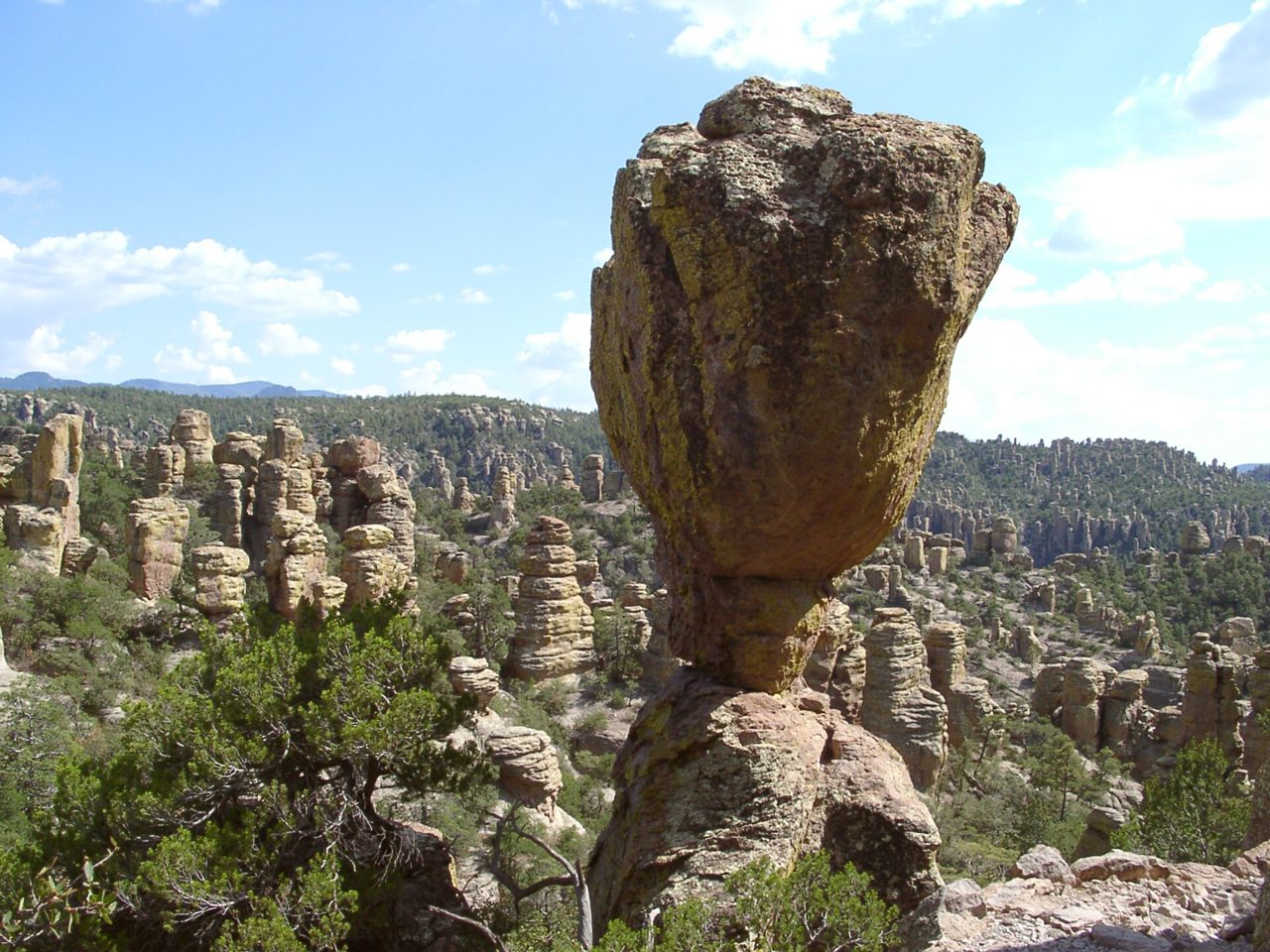
Chiricahua covers 12,025 acres, about 19 square miles, in Cochise County, with Willcox as the nearest city. Its trails wind through tall pinnacles and balancing rocks made of rhyolite tuff, the hardened ash of a volcanic eruption about 27 million years ago, according to the National Park Service. The place is often called the Wonderland of Rocks, and the Chiricahua Apache know it as the Land of Standing-Up Rocks. President Calvin Coolidge set the area aside as a national monument on April 18, 1924. About 86 percent of the park is designated wilderness. The mountains sit where four major ecosystems meet, and the park is known for varied wildlife and birdwatching that park advocates rank among the best in the world.
A bipartisan bill, years in the making
Rep. Juan Ciscomani, a Republican, and Rep. Greg Stanton, a Democrat, carried the act in the House. Senators Mark Kelly and Ruben Gallego, both Democrats, carried it in the Senate. The House passed the bill in March 2026, and the Senate approved it by unanimous consent on September 30, 2026. Kelly first put forward redesignation legislation in 2021, and earlier attempts had stalled since 2016. "Chiricahua is one of Arizona's most extraordinary places," Kelly said. Stanton told The Arizona Republic that making Chiricahua the state's fourth national park is "a huge win for our state."
What changes, and what does not
The law changes the name and the status, not the map. The park keeps its existing boundaries and land uses, and the Congressional Budget Office put the cost of the change at less than $500,000. The act protects traditional cultural and religious sites, keeps access open for tribal members for traditional uses, and allows temporary closures inside the park to protect those ceremonies.
Local leaders expect the national park label to bring more visitors to a quiet corner of the state. About 71,400 people visited Chiricahua in 2024 and spent an estimated $5.1 million in nearby communities, according to HECHO, a conservation group that backed the bill. Willcox Mayor Greg Hancock said more visitors can mean more customers for the hotels, restaurants and small businesses in his city.
The open question is money
Supporters admit the new title does not bring new staff or a bigger budget on its own. The Arizona Trail Association, which backed the bill, said the park will need solid funding to bring it up to national park standards at a time of Park Service staff cuts. Park Service officials declined to say whether more staff would be hired for the extra visitors the new name is expected to draw, the Associated Press reported.
Timeline
- Apr 18, 1924President Calvin Coolidge establishes Chiricahua National Monument in southeastern Arizona.
- March 2026The House of Representatives passes the Chiricahua National Park Act.
- Sep 30, 2026The Senate approves the act by unanimous consent, sending it to the president.
- Oct 20, 2026President Donald Trump signs H.R. 6380 into law, making Chiricahua Arizona's fourth national park and the 64th in the United States.
Sources
- The White House: Congressional bills signed into law, Oct 20, 2026
- The Arizona Republic: Arizona hidden gem officially named state's 4th national park
- Senator Mark Kelly: Kelly, Gallego celebrate Chiricahua becoming a national park
- HECHO: Chiricahua becomes Arizona's fourth national park
- Associated Press: A rocky wonderland in Arizona becomes the next US national park