
China Proposes Export Curbs on 40 AI, Solar and Biotech Technologies
A draft catalogue from two Beijing ministries would ban exports of 14 technologies and license 26 more, from large AI models and agents to next generation solar cell making. Public comment runs until November 15.
Key points
- China plans to ban or restrict exports of 40 key technologies covering artificial intelligence, solar manufacturing and biomedicine, under a draft plan published on Friday, October 16 by the…
- Twenty three of the 40 entries are AI technologies.
- Twelve entries cover solar technology.
China plans to ban or restrict exports of 40 key technologies covering artificial intelligence, solar manufacturing and biomedicine, under a draft plan published on Friday, October 16 by the Ministry of Commerce and the Ministry of Science and Technology. The draft, issued as Announcement No. 48, is open for public comment until November 15. Fourteen of the technologies would be barred from export altogether. The other 26 would need a licence.
What the AI list covers
Twenty three of the 40 entries are AI technologies. They include foundation models, intelligent agents and computing clusters. Under the draft, exporting the core technology of large AI models trained on sensitive national data would be banned, as would AI agents built for sensitive settings such as national defence and critical infrastructure. The list also covers AI systems that can write and change malicious code on their own. Models with 2 trillion parameters or more could face restrictions. Two Chinese models, Moonshot's Kimi K3 and Alibaba's Qwen 3.8-Max, sit above that line, though the draft names no model directly. Some chip design technology, including designs for AI processors and memory chips, is on the list as well.
Solar and biotech
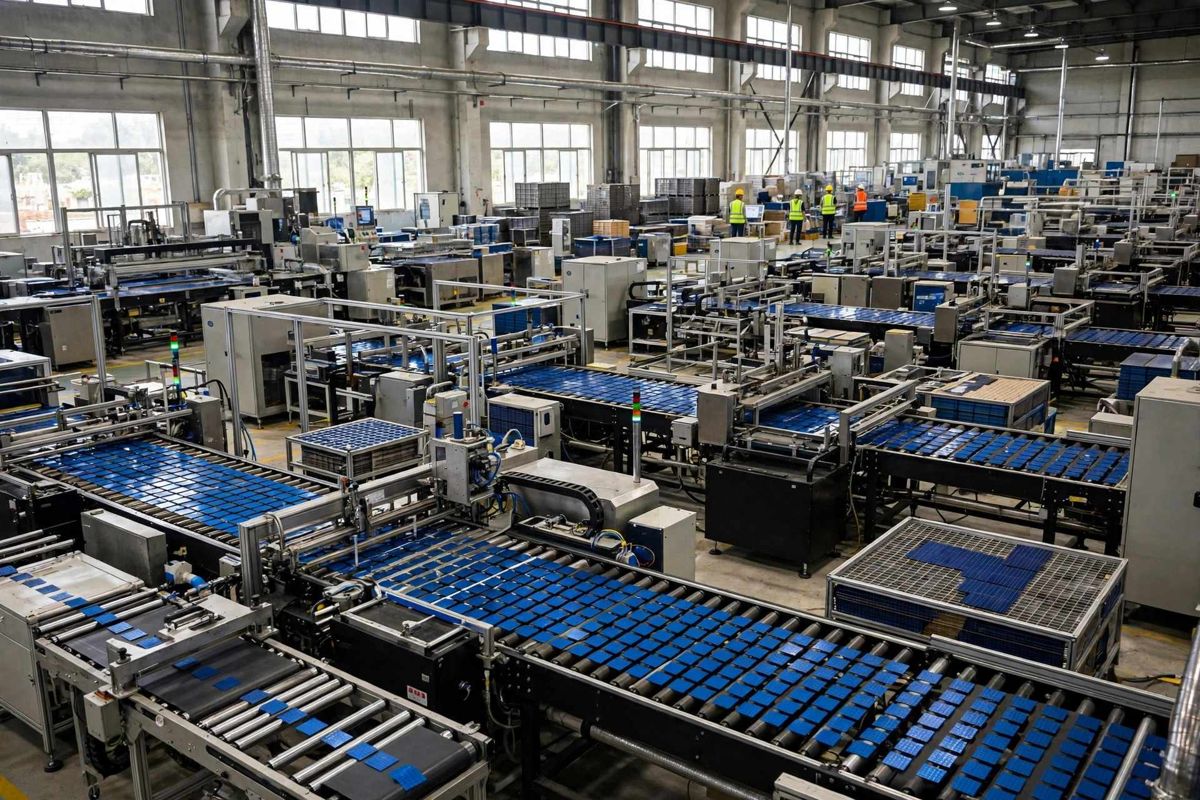
Twelve entries cover solar technology. The draft proposes a ban on exporting perovskite and tandem solar cell module manufacturing technology, the next generation of panel making. Polysilicon engineering would be restricted where it involves production lines of at least 30,000 tonnes a year. Five biomedicine entries include platforms for cell and gene therapy.
The commerce ministry said only a limited set of technologies would be regulated and that most photovoltaic technology would stay freely exportable. It said solar technology now shows up in aerospace, defence and unmanned systems, which raises the security stakes of selling the know how abroad. On AI, the ministry said most technology would remain freely exportable, that open source projects would get easier treatment, and that work already in the public domain through open source release or academic papers would generally be exempt. China has also started interim pre-export registration for the technologies on the list while the comment period runs.
Why it matters outside China
The draft lands in the middle of a long fight over who controls advanced technology. The United States and its allies have spent years limiting China's access to the most advanced AI chips and the machines that make them. In June, the US Commerce Department asked Anthropic to keep foreign nationals away from two of its strongest models on security grounds, then lifted the request. Beijing's draft applies the same security logic in the other direction, to technology China leads in.
India is one country watching the solar part closely. Indian makers are trying to move up the solar chain and cut their reliance on Chinese equipment and know how. Controls on next generation cell technology and large polysilicon lines could slow that climb if they take effect as written.
Analysts quoted by the Associated Press read the move as part of a wider split. One described it as a reply to Western sovereignty rules on AI, robotics and telecoms. Another said access to technology itself is now fragmenting, not just trade and investment. The draft is not final law. The comment window closes on November 15, and the ministries can still change the list before it takes effect.
Timeline
- Oct 16, 2026China's Ministry of Commerce and Ministry of Science and Technology publish draft Announcement No. 48, listing 40 technologies in AI, biomedicine and photovoltaics for export bans or restrictions, 14 for a full ban and 26 for licensing.
- Nov 15, 2026The public comment period on the draft export catalogue closes. The ministries can still revise the list before it takes effect.
Sources
- Associated Press: China moves to curb tech exports, including AI, citing national security risks
- The Hindu BusinessLine: China considers new export curbs on solar, AI, biotech
- Caixin Global: China proposes export curbs on AI and solar technology
- Bloomberg Law: China moves to restrict exports of some solar technologies