
Canada Tables Budget 2026, Titled Masters of Our Destiny
Finance Minister Francois-Philippe Champagne tabled Canada's 2026 budget in Ottawa on Nov. 5. The plan backs clean energy, simpler taxes for small firms and a large projected deficit.
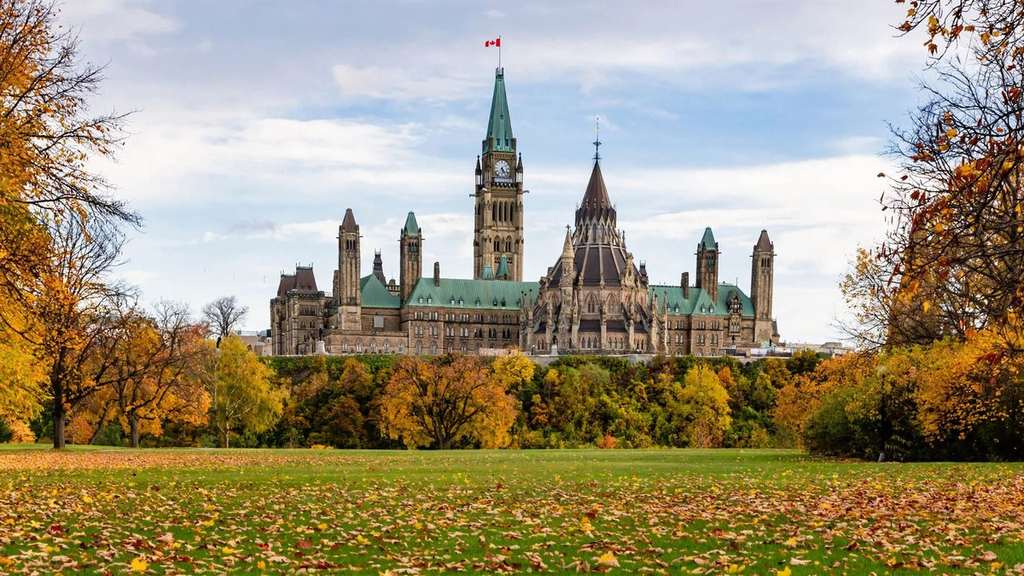
Key points
- Finance Minister François-Philippe Champagne tabled the federal government 2026 budget in the House of Commons in Ottawa on Thursday, Nov. 5, 2026.
- The plan frames its choices around economic security and sovereignty.
- Champagne announced the Nov. 5 date on Oct. 20.
Finance Minister François-Philippe Champagne tabled the federal government 2026 budget in the House of Commons in Ottawa on Thursday, Nov. 5, 2026. The budget is titled Masters of Our Destiny. It is the second budget of Prime Minister Mark Carney government and a second straight fall budget.
The plan frames its choices around economic security and sovereignty. It aims to shelter Canada from external shocks and from United States tariff pressure during the Canada-U.S. trade war. The budget landed two days after the U.S. midterm elections on Nov. 3.
Champagne announced the Nov. 5 date on Oct. 20. The measures reported in the budget include simpler corporate taxes for small and medium-sized businesses, funding for clean energy and transmission infrastructure described as nation-building, and a Productivity Mega-Deduction to spur private capital investment. The budget also folds the 2026-2027 immigration levels plan into spending projections, holding new permanent residents at 380,000 a year through 2028.
Why it matters
The budget sets out how the Carney government will pay for growth while deficits stay large. Small and medium-sized firms would face a simpler corporate tax system if the tax changes pass. Clean energy and transmission projects would receive federal funding,. The Productivity Mega-Deduction is meant to pull more private capital into plants, equipment and other investment inside Canada.
The immigration plan matters for housing, jobs and public services. Holding new permanent residents at 380,000 a year through 2028 gives provinces, cities and employers a fixed number to plan around. It also ties population growth directly to the spending projections in the budget, rather than treating immigration as a separate file.
The context
Canada entered budget day with a weaker growth outlook and a large deficit from the year before. The spring update put the 2025-2026 deficit at $66.9 billion, down from $78.3 billion projected in last fall budget. That improvement still left a deep shortfall as the new budget year approached.
The Parliamentary Budget Officer, known as the PBO, projected a $63.3 billion deficit for 2026-2027. In one PBO outlook the deficit rises to $67.8 billion by 2030-2031 and peaks at $70.2 billion in 2027-2028. The five-year deficit total in that outlook is about $333.3 billion. The PBO also cut its real growth forecast to 0.9 percent for 2026 and 1.5 percent for 2027, down from 1.1 percent and 1.6 percent.
The PBO projected the debt-to-GDP ratio rising from about 40.8 percent to 41.1 percent, toward 42.6 percent by the end of the decade. Those figures are projections, not final results.
A separate analysis came from the Chaire en fiscalité et en finances publiques, known as the CFFP, at the Université de Sherbrooke. The CFFP reported $37.5 billion in new initiatives, with about three-quarters of them previously announced. Its figures put growth at 1.1 percent in 2026 and 1.9 percent in 2027. The CFFP also reported a government aim to eliminate the operating deficit by 2028-2029.
What happens next
Parliament will now debate the budget and the measures inside it. Tax changes for small and medium-sized businesses, the Productivity Mega-Deduction and clean energy funding will need detailed rules and, in some cases, legislation.
The fiscal path will also face regular tests. The CFFP reported a deficit-to-GDP path from 2.1 percent in 2025-2026 to 1.4 percent by 2030-2031. It reported debt service rising from 10.6 percent of tax revenues to 13.2 percent by 2030-2031. If growth falls short of forecasts or tariff pressure grows, those ratios could move the other way.
The immigration levels in the budget give a clear planning line through 2028. Provinces and employers will press Ottawa on how the 380,000 annual figure splits across programs and regions. The next updates from the PBO and the government will show whether the deficit follows the path set out this week or drifts higher.
Key numbers
- PBO projected deficit for 2026-2027: $63.3 billion
- PBO deficit peak in one outlook, 2027-2028: $70.2 billion
- PBO deficit in 2030-2031 in one outlook: $67.8 billion
- Five-year deficit total in the PBO outlook: about $333.3 billion
- PBO real growth forecast: 0.9 percent in 2026, 1.5 percent in 2027
- Spring update deficit for 2025-2026: $66.9 billion
- New initiatives reported by the CFFP: $37.5 billion
- New permanent residents held at 380,000 a year through 2028
- CFFP debt service path: 10.6 percent of tax revenues, rising to 13.2 percent by 2030-2031
- CFFP deficit-to-GDP path: 2.1 percent in 2025-2026 to 1.4 percent by 2030-2031
Timeline
- 2026-10-20Champagne announced Nov. 5 as the date for the federal budget.
- 2026-11-03The United States held its midterm elections, two days before the budget.
- 2026-11-05Champagne tabled Budget 2026, titled Masters of Our Destiny, in the House of Commons in Ottawa.