
Bangladesh Measles Outbreak Is the World's Worst, With 1,147 Dead
WHO figures counted to October 9 show 202,000 suspected cases in Bangladesh since mid-March, the most of any country this year. Almost all of the 1,147 people who died were children under five.
Key points
- Bangladesh is fighting the worst measles outbreak in the world this year.
- The numbers come from a Reuters review of WHO documents, published on October 17, along with interviews with more than a dozen scientists, health workers and officials.
- Bangladesh once came close to the vaccination level the WHO says is needed to stop measles spreading.
Bangladesh is fighting the worst measles outbreak in the world this year. By October 9, the country had recorded 202,000 suspected cases since the outbreak began in mid-March, more than any other country, the World Health Organization says. About 22,000 cases were confirmed in laboratories. So far 1,147 people have died, and 94 percent of the reported deaths were children under five.
The numbers come from a Reuters review of WHO documents, published on October 17, along with interviews with more than a dozen scientists, health workers and officials. The review found that the emergency response was held back by health data that left out millions of children, by weak preparation, and by vaccination teams that failed to reach enough parents.
How the protection broke down
Bangladesh once came close to the vaccination level the WHO says is needed to stop measles spreading. Coverage of 95 percent is the benchmark. In 2025, routine vaccination faltered and coverage fell below that line.
Health experts trace the damage to disruption in 2024 and 2025. Political turmoil hit routine services. The government changed how vaccines were bought, moving away from procurement through UNICEF toward open bidding. UNICEF warned that the new system was not suited to urgent vaccine needs. Think Global Health reports that Bangladesh usually secures about 70 million doses a year, but only 17.8 million doses were secured in 2025 through UNICEF prefinancing, and central stores were left nearly empty. A nationwide vaccination campaign planned for late 2024 was postponed and then cancelled, leaving millions of young children without protection.
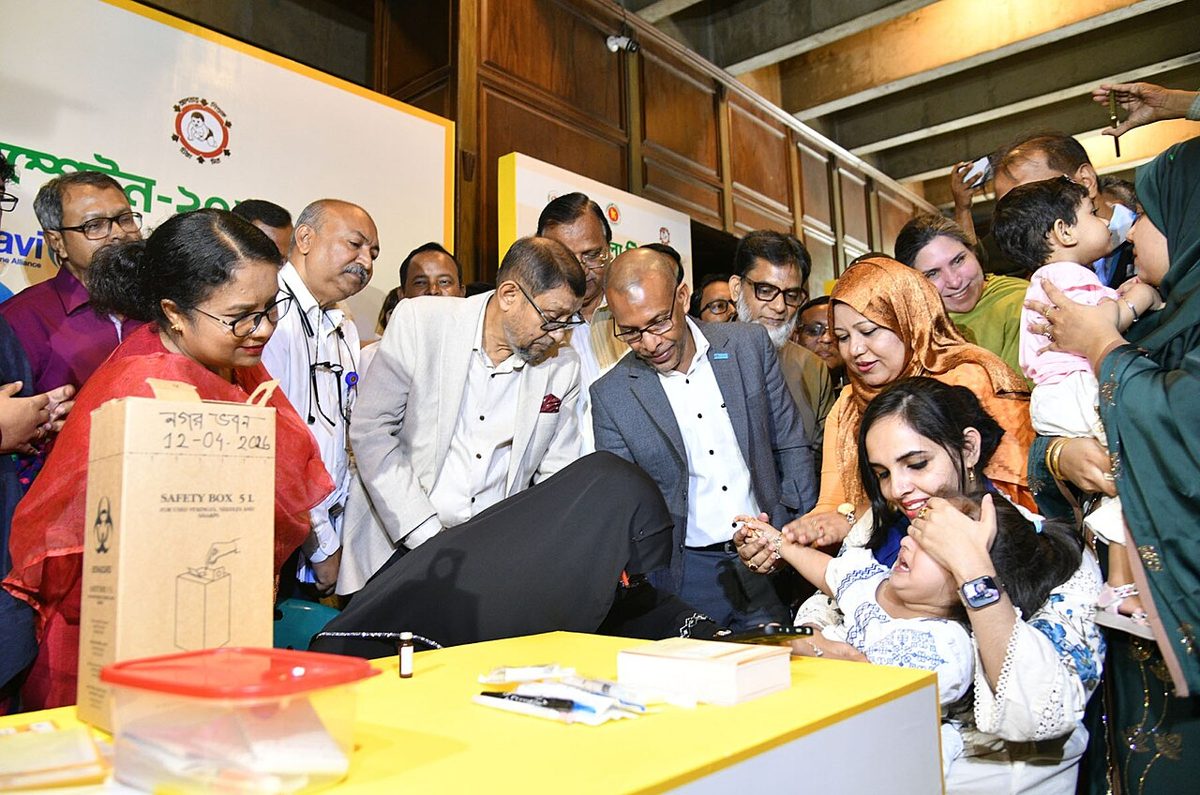
The outbreak was already deadly in the spring. In April, the government, working with the WHO, UNICEF and the Gavi vaccine alliance, began emergency vaccinations for children from six months to five years old in 18 high-risk districts. More than 100 children had died in less than a month at that point.
A race to vaccinate the missed children
Since April, Bangladesh has vaccinated nearly 20 million children through emergency and follow-up campaigns, according to health ministry figures reported by Reuters. The work has not closed the gaps. Infants under nine months are a central worry. They are normally too young for routine measles vaccination, yet many have been infected.
On September 26, the country launched a month-long nationwide measles and rubella campaign aimed at 3.4 million children aged six months to 59 months who had been missed. Officials lowered the minimum age from the usual nine months because of the scale of the outbreak. By then, the death toll stood at 1,087, more than 165,000 people had been hospitalised, and the United States Centers for Disease Control and Prevention described the outbreak as the largest active measles outbreak in the world.
Mark Jit, a WHO vaccine adviser and professor at New York University, told Reuters the Bangladesh crisis is a warning to every country. Prevention through vaccination was easier, cheaper and safer than an emergency response, he said, and people would keep falling ill and dying until the response stops the outbreak.
Ziauddin Hyder, a special assistant on health affairs to Prime Minister Tarique Rahman, told Reuters in September that the government was doing everything it could to end the outbreak. The government did not answer further questions sent in October.
The lesson travels well beyond Bangladesh. Measles spreads fast, it hits the youngest children hardest, and it returns wherever routine vaccination slips, even in a country that had nearly beaten it.
Timeline
- Mar 15, 2026Bangladesh begins counting the current outbreak. Emergency vaccination work starts in the spring after more than 100 children die in less than a month.
- Sep 26, 2026Bangladesh launches a month-long nationwide measles and rubella campaign for 3.4 million missed children aged six months to 59 months. The reported death toll is 1,087.
- Oct 9, 2026WHO figures counted to this date show 202,000 suspected cases, about 22,000 confirmed cases and 1,147 deaths since mid-March.
Sources
- Reuters: Bangladesh is battling measles. It is a real warning to other nations
- Reuters: Bangladesh launches measles vaccination drive amid deadly outbreak
- Think Global Health: Visualizing Bangladesh's massive measles outbreak
- Associated Press via Medical Xpress: Bangladesh conducts emergency measles vaccinations as outbreak kills more than 100 children