
Ukraine Runs Out of Patriot Interceptors: What It Means for Kyiv This Winter
CNN reports Ukraine has used its last Patriot missiles as Russian ballistic strikes hit power plants in Kyiv and winter nears.
Key points
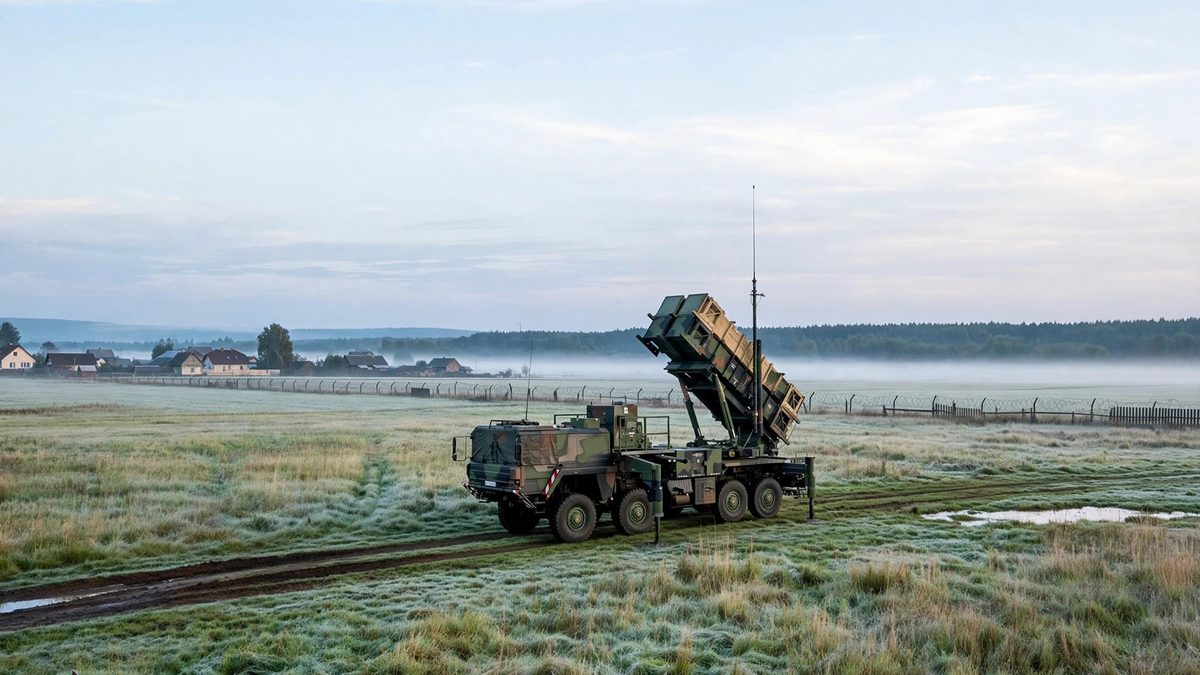
- Ukraine has run out of missiles for its US made Patriot air defense system, CNN reported on Thursday, October 15, citing a source familiar with the situation.
- Patriot is one of the few systems that can stop ballistic missiles in flight.
- That gap matters most in winter.
Ukraine has run out of missiles for its US made Patriot air defense system, CNN reported on Thursday, October 15, citing a source familiar with the situation. The source said almost all ballistic missiles in the last big strike were not intercepted because interceptors were lacking. For Kyiv, the news arrives as nights turn cold and Russian strikes focus again on heat and power.
Why it matters
Patriot is one of the few systems that can stop ballistic missiles in flight. Other air defenses can handle drones and cruise missiles far better than they can handle a ballistic missile falling at high speed toward a city. Without interceptors, power plants, substations and city districts have less protection, even if Ukraine still has other systems in place.
That gap matters most in winter. If a plant is hit, repairs take time, and homes lose heat, light and water. The attack overnight on October 13 into October 14 showed the risk. Russian ballistic missiles hit three power plants in Kyiv and energy sites in Kharkiv. Four people were killed and 25 were injured in Kyiv. The Ukrainian Air Force said it intercepted four ballistic missiles in that attack, which suggests the last interceptors were used there.
The context
President Volodymyr Zelensky had warned for months that stocks were running low. He told CNN in August 2026 that only one tenth of the interceptors Ukraine needs remained. Since then, Kyiv has asked for more missiles and for a license to produce Patriot interceptors inside Ukraine.
President Donald Trump raised that license possibility earlier this year but has not followed through. A license would not solve the problem this week. Building interceptors takes factories, parts and trained workers. Still, Kyiv sees local production as the only way to avoid a repeat of this shortage in a long war.
Supply is tight around the world. Interceptors are expensive, and production is limited. Other countries have used stocks or built up their own during the Iran war. That competition helps explain why fresh supplies have not reached Ukraine at the pace Kyiv wanted.
Politics has added pressure. The Trump administration warned Ukraine it could halt intelligence sharing and block European purchases of US weapons if Kyiv kept striking Russian refineries. Trump announced an energy ceasefire that appeared to surprise both sides. Ukraine paused refinery strikes for three days, then resumed them on October 15. Kyiv must now weigh the value of hitting Russian oil sites against the risk of losing US support.
What happened in Brussels
On Friday, October 16, in Brussels, Zelensky said publicly that Ukraine is not a priority destination for these missiles now and that most interceptors are being sent to the Middle East. He thanked European governments that are financing support for Ukraine.
EU leaders said they are preparing a 22nd sanctions package against Russia. European Commission President Ursula von der Leyen said Russia did not respect the announced energy ceasefire. The comments show European leaders trying to raise pressure on Moscow while they look for ways to pay for more air defense.
The strain did not pause during the talks. Russian drones on October 16 killed three people and cut power to about 370,000 people in northwest Ukraine. That attack used drones, not ballistic missiles, but it shows the daily load on repair crews and on the grid.
Key numbers
- Three power plants hit in Kyiv in the strike overnight October 13 into October 14
- Four people killed and 25 injured in Kyiv in that strike
- Four ballistic missiles intercepted in that attack, according to the Ukrainian Air Force
- One tenth of needed interceptors remained in August 2026, according to Zelensky
- About 370,000 people lost power in northwest Ukraine after drone attacks on October 16
- A 22nd EU sanctions package against Russia is in preparation, according to EU leaders
What happens next
Watch three things in the coming weeks. First, whether European money turns into real interceptor deliveries, and how fast. A funding pledge helps only when missiles arrive and crews can load them. Second, whether the license to produce interceptors in Ukraine moves from talk to a signed plan. Third, how Kyiv balances refinery strikes against US pressure. If Ukraine stops those strikes, Russia may keep more oil income. If Ukraine continues, it risks intelligence and weapons support.
For people in Kyiv and Kharkiv, the question is simpler. Can enough air defense arrive before colder weather and before the next big ballistic strike. Repair crews can restore power after many attacks, but each hit on a plant makes the next repair harder. Without Patriot interceptors, Ukraine enters winter with a known gap over its most important energy sites, and its leaders are saying so in public.
Timeline
- 2026-08-01Zelensky tells CNN in August 2026 that only one tenth of the Patriot interceptors Ukraine needs remained.
- 2026-10-13Overnight October 13 into October 14, Russian ballistic missiles hit three power plants in Kyiv and energy sites in Kharkiv. Four people are killed and 25 injured in Kyiv.
- 2026-10-15CNN reports on October 15, 2026 that Ukraine has run out of Patriot interceptors. Ukraine resumes strikes on Russian refineries after a three day pause.
- 2026-10-16On October 16, 2026, Zelensky speaks in Brussels about interceptor priorities. Russian drone attacks the same day kill three people and cut power to about 370,000 people in northwest Ukraine.