
South Africa Cuts Growth Forecast to 1.2 Percent and Brings Back Fuel Levy Relief
Finance Minister Enoch Godongwana tabled the mid-year budget in Cape Town on Wednesday, cutting 2026 growth to 1.2 percent, confirming debt stabilised at 78.4 percent of GDP and restoring fuel levy relief worth R10 billion from November 4.
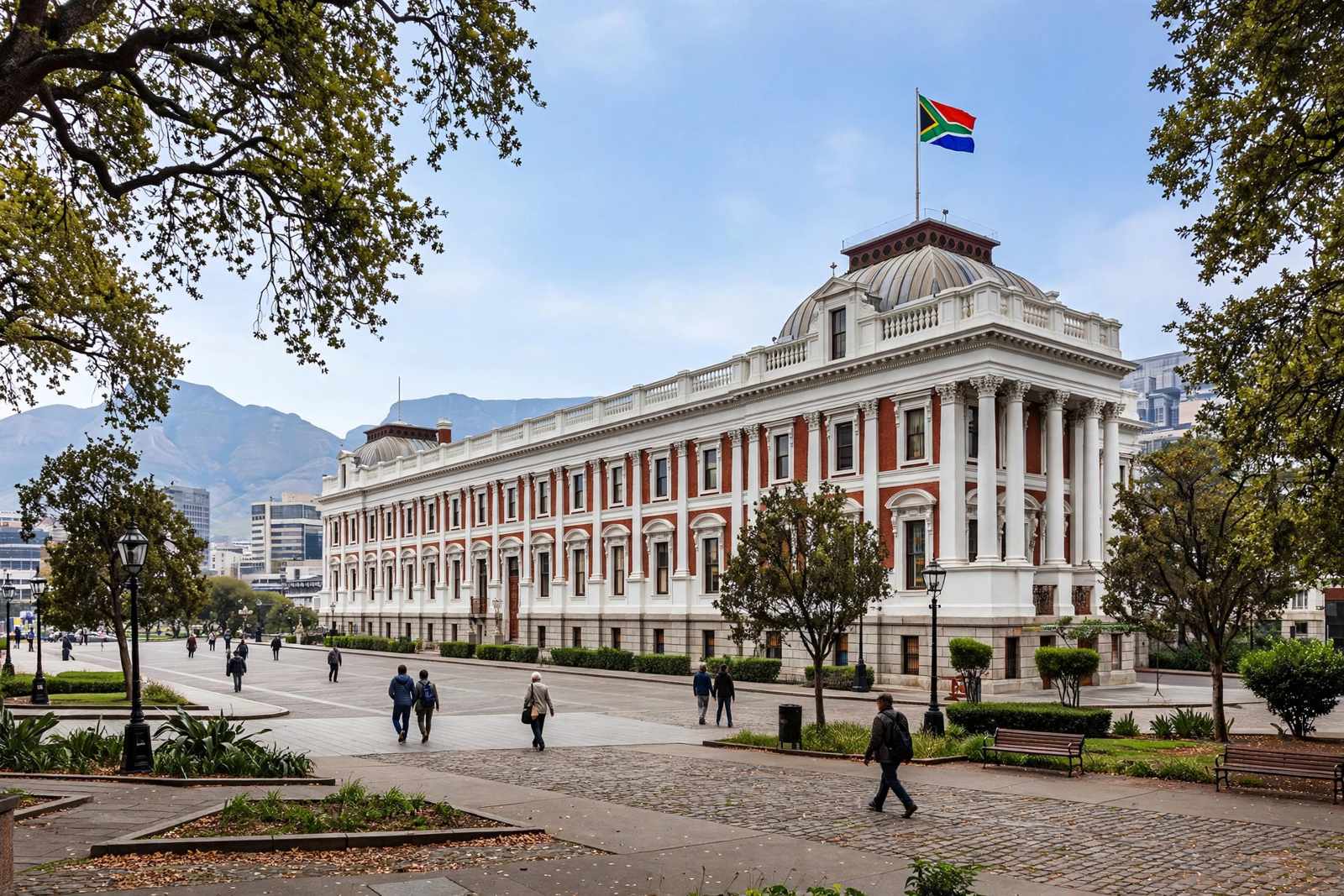
Key points
- South Africa's finance minister, Enoch Godongwana, tabled the 2026 Medium-Term Budget Policy Statement in Parliament in Cape Town on Wednesday, October 21.
- Godongwana told lawmakers that real economic growth is now forecast at 1.2 percent in 2026, down from the 1.6 percent projected in the February Budget.
- He blamed a weaker world economy and the Middle East conflict.
South Africa's finance minister, Enoch Godongwana, tabled the 2026 Medium-Term Budget Policy Statement in Parliament in Cape Town on Wednesday, October 21. The mid-year statement cut the growth forecast for 2026, confirmed that government debt has stopped rising, and brought back temporary fuel levy relief for households and businesses squeezed by high oil prices.
Growth cut to 1.2 percent
Godongwana told lawmakers that real economic growth is now forecast at 1.2 percent in 2026, down from the 1.6 percent projected in the February Budget. Growth is expected to reach 1.6 percent in 2027 and 2 percent by 2029.
He blamed a weaker world economy and the Middle East conflict. Global growth is now estimated at 3.1 percent in 2026, down from 3.3 percent projected in January, after attacks on Iran and the closing of the Strait of Hormuz pushed up food and energy prices and raised borrowing costs. At home, activity has already lost momentum, especially in export-linked sectors, and a prolonged conflict alongside El Nino could weaken growth further.
Debt stabilises at 78.4 percent
For the first time in nearly two decades, the debt-to-GDP ratio stabilised, at 78.4 percent of GDP in 2025/26, and Treasury says it is now set to decline. The budget deficit will narrow to 3.9 percent of GDP this year, better than the 4.0 percent forecast in February, and is projected to fall to 2.5 percent by 2030.
The primary surplus, where revenue exceeds non-interest spending, is rising from 1.7 percent of GDP this year to nearly 3 percent by 2030. Godongwana said that path will reduce borrowing, contain debt-service costs and free space for investment and public services. To lock in the gains, the government released draft fiscal anchor legislation for public comment in October, with a bill expected in Parliament in 2027.
Fuel relief worth R10 billion
The measure most households will feel is at the pump. The fuel levy will be cut by R3 per litre for diesel and R1.50 per litre for petrol from November 4, 2026 until December 1, 2026. The relief then continues at a lower rate until January 5, 2027, with diesel cut by R1.50 per litre and petrol by R1 per litre.
The package provides R10 billion in support at a fiscal cost of R10 billion in foregone revenue. It is funded by returning R10 billion that had been transferred to the Central Energy Fund to the National Revenue Fund and the contingency reserve. Godongwana said the step would ease cost of living pressure without putting the budget off course.
Revenue beats the February forecast
Gross tax revenue for 2026/27 was revised up by R17.1 billion from the February estimate, helped by stronger collections from corporate tax, dividends tax and VAT, with mining driving much of the gain. Gross tax revenue is projected to rise from R2.14 trillion this year to R2.53 trillion in 2029/30.
Treasury also identified R38.1 billion in savings over the next three years, from cutting low-priority programmes, reducing grant fraud and administrative efficiencies. Consolidated spending rises from R2.7 trillion to R3 trillion by 2029/30, and capital investment is expected to grow by 5.3 percent a year.
On social spending, R3.8 billion is allocated over the medium term to hire more than 3,500 social workers to strengthen responses to violence against women, with a further R186 million for forensic and investigative capacity.
Timeline
- Feb 2026The February Budget forecasts real economic growth of 1.6 percent for 2026.
- Oct 21, 2026Finance Minister Enoch Godongwana tables the Medium-Term Budget Policy Statement, cutting 2026 growth to 1.2 percent and confirming debt stabilised at 78.4 percent of GDP.
- Nov 4, 2026Fuel levy relief starts, with diesel cut by R3 per litre and petrol by R1.50 per litre.
- Dec 1, 2026The full-rate fuel levy relief ends and a lower rate takes over.
- Jan 5, 2027The lower-rate fuel levy relief ends.