
Philadelphia, Pennsylvania: Voters Make Creative Philadelphia, the City Arts Office, Permanent
About 84 percent of Philadelphia voters backed the charter amendment on Tuesday, 367,515 yes to 71,993 no in unofficial results. No future mayor can now close the arts office by executive order, but the amendment adds no new money.
Key points
- Philadelphia voters have made the city arts office permanent.
- Creative Philadelphia is the city's office for arts and culture.
- Until now, the office has existed only because a mayor created it by executive order, and a future mayor could have ended it the same way.
Philadelphia voters have made the city arts office permanent. In Tuesday's election, about 84 percent of voters approved a charter amendment that writes Creative Philadelphia into the city's Home Rule Charter, according to unofficial results. The count was 367,515 votes yes and 71,993 votes no.
What Creative Philadelphia does
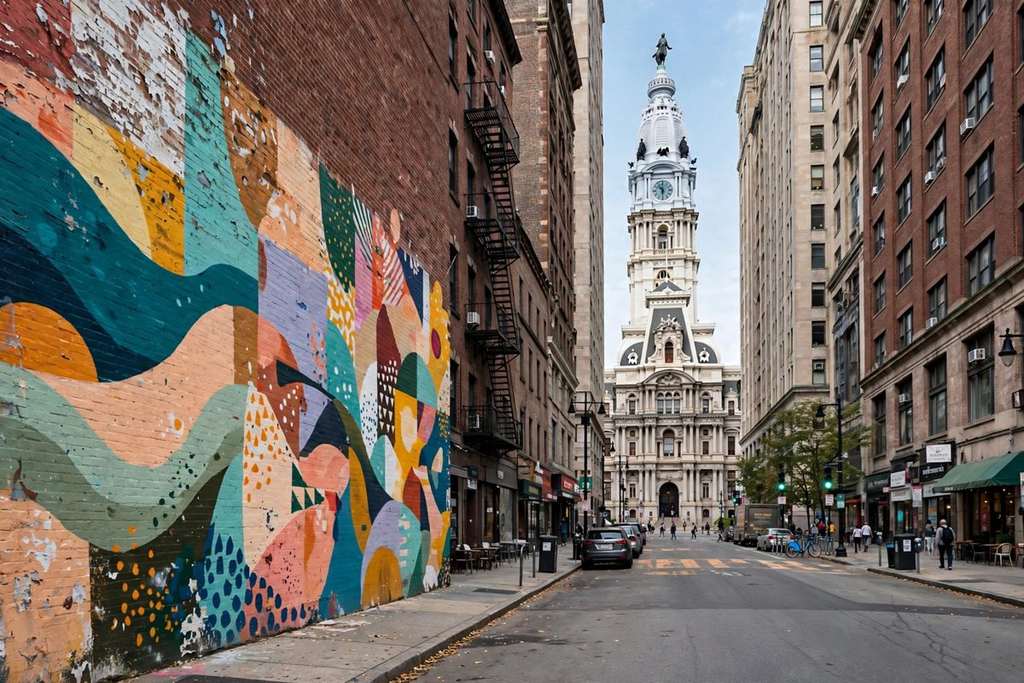
Creative Philadelphia is the city's office for arts and culture. It awards grants to artists, manages public art, runs free cultural events and supports the creative businesses and organizations in the city's neighborhoods. It was formerly called the Office of Arts, Culture and the Creative Economy. The city's Public Art and Mural Arts programs will now sit under the office as well.
What the vote changes
Until now, the office has existed only because a mayor created it by executive order, and a future mayor could have ended it the same way. The charter amendment removes that option. Future mayors must keep the office open and appoint a Chief Cultural Officer. The chief cultural officer holds a seat in the mayor's cabinet, and the salary stays at $205,000. Valerie V. Gay holds the job now. The office has about 10 employees, and the amendment allows up to 15, including the chief cultural officer.
The office dates to 1984, when Mayor Wilson Goode created it. Mayor John Street eliminated it in 2004. Mayor Michael Nutter revived it in 2008, and it moved offices twice after that. In 2020, Mayor Jim Kenney proposed eliminating the office during the pandemic budget crisis and scaled it back instead. Councilmember Isaiah Thomas introduced the charter amendment, with backing from Councilmember Rue Landau and Mayor Cherelle Parker's administration. City Council sent the question to voters in June.
The money question stays open
The vote does not add money. Funding for the office and for arts groups still comes through the annual city budget, and that fight is already under way. A 2026 SMU DataArts study of 10 U.S. cities found that Philadelphia had the steepest drop in local arts funding per person between 2019 and 2024, and city grants to cultural organizations fell from about 10 cents per resident to 1 cent over that period. The fiscal 2027 budget cut the Philadelphia Cultural Fund from $5 million to $3.5 million and cut city support for Mural Arts from $5.1 million to $3.7 million. The Cultural Fund's most recent grant round paid $5.6 million to 322 organizations.
A 2024 report from the Greater Philadelphia Cultural Alliance put the region's arts sector at about $3.3 billion in economic impact, down from $4.1 billion in 2017. The election results remain unofficial until the city certifies them. The formal canvass began on Friday, and both charter questions on the ballot cleared the two thirds approval the charter requires.
Timeline
- 1984Mayor Wilson Goode creates the city arts office. It exists only by executive order, so a later mayor can reshape or end it.
- Nov 3, 2026Philadelphia voters approve the charter amendment by about 84 percent, 367,515 yes to 71,993 no in unofficial results.
- Nov 6, 2026The formal canvass begins. The results stay unofficial until the city certifies them.