
Supreme Court Sets December 9 for Electoral Roll SIR Hearing
Chief Justice Surya Kant's bench deferred the electoral roll revision case on Tuesday and said it would examine the INDIA bloc's application to serve 48 interrogatories on the Election Commission at the December 9 hearing. The Commission says it has serious reservations.
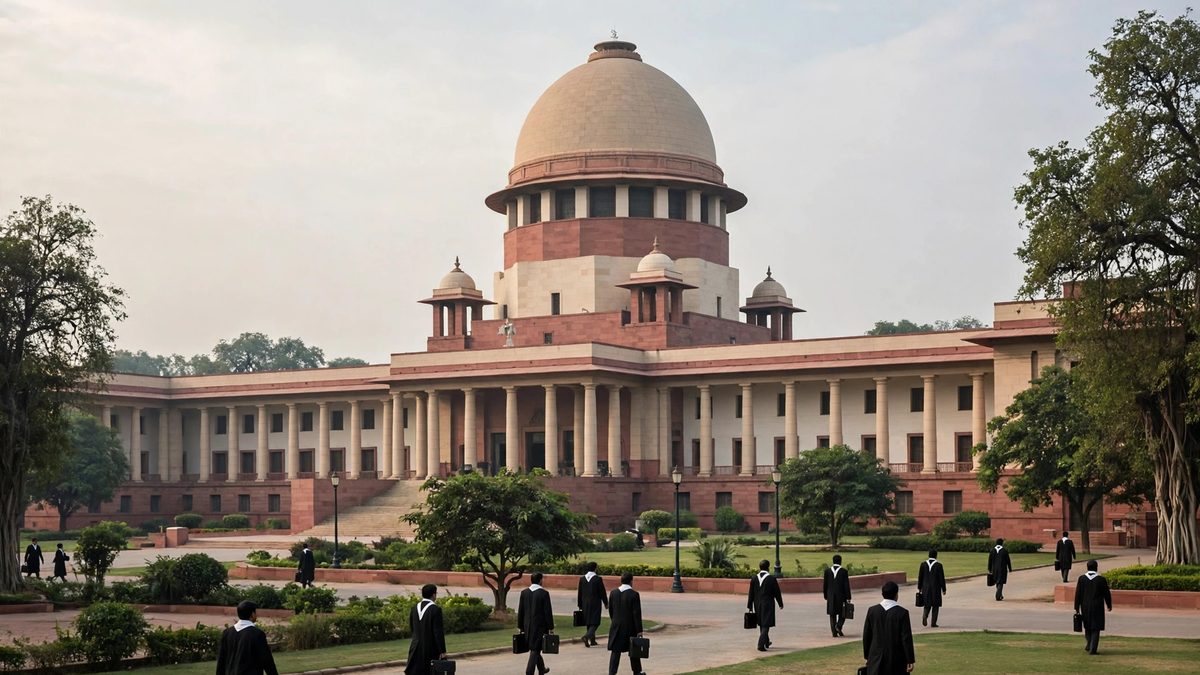
Key points
- India's Supreme Court will hear the challenge to the nationwide Special Intensive Revision of electoral rolls on December 9, and it will take up a request to put 48 written questions to the…
- A bench led by Chief Justice Surya Kant, with Justices Joymalya Bagchi and V Mohana, deferred the case on Tuesday because a part-heard matter was set for the post-lunch session.
- The petitions were filed by Congress leader Rahul Gandhi and other INDIA bloc leaders.
India's Supreme Court will hear the challenge to the nationwide Special Intensive Revision of electoral rolls on December 9, and it will take up a request to put 48 written questions to the Election Commission at the same hearing.
A bench led by Chief Justice Surya Kant, with Justices Joymalya Bagchi and V Mohana, deferred the case on Tuesday because a part-heard matter was set for the post-lunch session. The Chief Justice said the court would examine the application on the questions, called interrogatories, on the next date before deciding how to proceed.
The petitions were filed by Congress leader Rahul Gandhi and other INDIA bloc leaders. They allege large-scale deletion of voters and irregularities in the revision, and they question how the decisions behind it were taken. Senior advocate Kapil Sibal appeared for the petitioners. Senior advocate Harish Salve, for the Election Commission, said the poll body has serious reservations about the application.
The 48 questions
The application seeks sworn answers from Chief Election Commissioner Gyanesh Kumar, Election Commissioners Sukhbir Singh Sandhu and Vivek Joshi, Deputy Election Commissioner Bhanu Prakash Yeturu and the Commission's Director General (IT). It asks how the nationwide revision was authorised, whether decisions were taken collectively, and whether the Chief Election Commissioner exercised the Commission's powers without the knowledge, approval or concurrence of the other two commissioners.
The petitioners point to three revision orders dated June 24, 2025, October 27, 2025 and May 14, 2026. The Commission's counter-affidavit says those orders were unanimous. The application argues that the affidavit does not disclose the records, file notings or dates behind that claim. It also asks whether any name was added to or deleted from the rolls without an order from an Electoral Registration Officer.
The case rests in part on a September 25 report by The Indian Express, which said Commissioners Sandhu and Joshi had recorded objections at least 14 times over the preceding 10 months. The Supreme Court issued notice to the Commission on October 15.
Why it matters
The electoral roll is the base document of an Indian election. If names are wrongly deleted, voters find out at the booth, when it is too late to fix. The December 9 hearing will not settle the whole revision, but it will decide whether the Commission must answer specific questions on affidavit about who decided what, and when. That answer shapes how much of the revision process the public gets to see.
Timeline
- Sep 25, 2026The Indian Express reports that Election Commissioners Sandhu and Joshi recorded objections at least 14 times over the preceding 10 months to revision decisions.
- Oct 15, 2026The Supreme Court issues notice to the Election Commission on the petitions challenging the revision and the Commission's decision-making.
- Nov 17, 2026The bench defers the hearing and says it will examine the application for 48 interrogatories on the next date.
- Dec 9, 2026The Supreme Court hears the main petitions and the interrogatories application.
Sources
- Bar and Bench: Rahul Gandhi's plea to serve 48 interrogatories on ECI, Supreme Court to decide
- Live Law: ECI says it has objections to INDIA bloc plea to serve interrogatories over SIR decisions
- India Legal Live: Supreme Court adjourns Rahul Gandhi and INDIA bloc pleas against ECI, hearing on December 9