
World Court Elects Five New Judges, With Britain Back on the Bench After a Decade
The UN General Assembly and Security Council elected five judges to the International Court of Justice on November 3, including Oxford professor Dapo Akande for Britain and Phoebe Okowa for Kenya, for nine year terms starting in February 2027.
Key points
- Five new judges will join the International Court of Justice in February after United Nations member states filled five seats on the 15 member court in an election on Tuesday, November 3, 2026.
- The winners were Professor Dapo Akande of the United Kingdom, Francois Alabrune of France, Mahmoud Daifallah Hmoud of Jordan, Rena Lee of Singapore and Professor Phoebe Okowa of Kenya, according…
- Their nine year terms begin on February 6, 2027, and run to February 2036.
Five new judges will join the International Court of Justice in February after United Nations member states filled five seats on the 15 member court in an election on Tuesday, November 3, 2026.
The winners were Professor Dapo Akande of the United Kingdom, Francois Alabrune of France, Mahmoud Daifallah Hmoud of Jordan, Rena Lee of Singapore and Professor Phoebe Okowa of Kenya, according to a Diplomatic Watch report on the vote. The General Assembly and the Security Council voted separately at UN headquarters in New York, and a candidate needs an absolute majority in both bodies to win a seat. Four of the five, Akande, Alabrune, Hmoud and Lee, secured the required support in both bodies in the initial voting.
Their nine year terms begin on February 6, 2027, and run to February 2036.
Britain returns to the bench
Akande's win carries a specific weight. The University of Oxford, where he is Chichele Professor of Public International Law and a Fellow of All Souls College, said he was elected by an absolute majority in the first round of voting in both the General Assembly and the Security Council, and that he will take his seat in The Hague on February 6, 2027. The UK has not had a judge on the court for almost a decade. Oxford said the campaign behind him was backed by the prime minister, ministers and diplomats across the world.
Akande also sits on the UN International Law Commission. He trained as a lawyer in Nigeria before his Oxford career, and Nigerian coverage noted he is the fourth Nigerian connected scholar to serve on the court, after Charles Onyeama, who served from 1966 to 1976, Taslim Olawale Elias, who served from 1976 to 1991 and was the first African president of the court, and Bola Ajibola. Akande stood as the United Kingdom's candidate, and like every judge on the court he will serve in an independent capacity, not as a delegate of any government.
What the court does, and why the seats matter
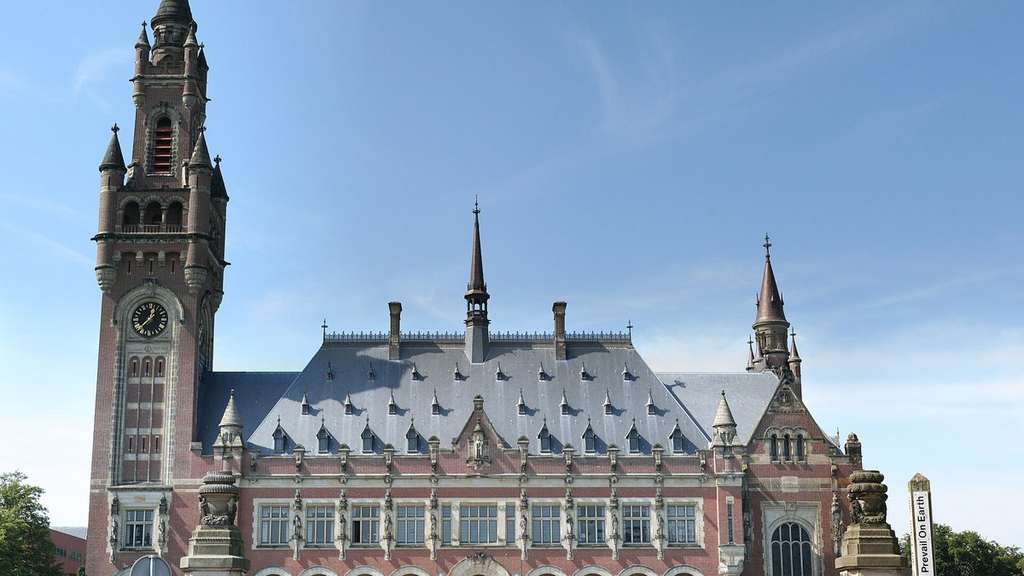
The International Court of Justice sits in the Peace Palace in The Hague. It is the principal judicial organ of the United Nations. It decides legal disputes between states that agree to bring them, and it gives advisory opinions on legal questions put to it by UN bodies. Its 15 judges serve nine year terms, with five seats elected every three years.
The bench a state faces shapes how it argues, and sometimes whether it brings a case at all. A full election round that seats judges from Britain, France, Jordan, Singapore and Kenya at once resets that bench for cases already moving toward The Hague, including disputes over borders, treaties and the use of force.
What happens next
The five judges elect take office on February 6, 2027. Until then the sitting bench continues. The new judges join a court whose docket has grown heavier in recent years, and their first hearings will show how the new mix reads the cases in front of it.
Timeline
- Nov 3, 2026The UN General Assembly and Security Council elect five judges to the International Court of Justice.
- Feb 6, 2027The five new judges begin their nine year terms at the Peace Palace in The Hague.