
USDA to Resume Mexican Cattle Imports at Two More Border Ports
The Agriculture Department said on Tuesday it will restart cattle imports from Mexico in Columbus, New Mexico, on Oct. 26 and plans the same in Nogales, Arizona, on Nov. 30, widening a phased reopening that was halted to keep out the New World screwworm.
Key points
- The US Department of Agriculture plans to resume cattle imports from Mexico at two more ports of entry, the agency said on Tuesday, widening a phased reopening after shipments were halted last…
- Agriculture Secretary Brooke Rollins announced the next steps on Oct. 20.
- Every animal must go through multiple inspections before it enters the United States, the rapid response account said in the announcement reported by Drovers.
The US Department of Agriculture plans to resume cattle imports from Mexico at two more ports of entry, the agency said on Tuesday, widening a phased reopening after shipments were halted last year to keep out the New World screwworm.
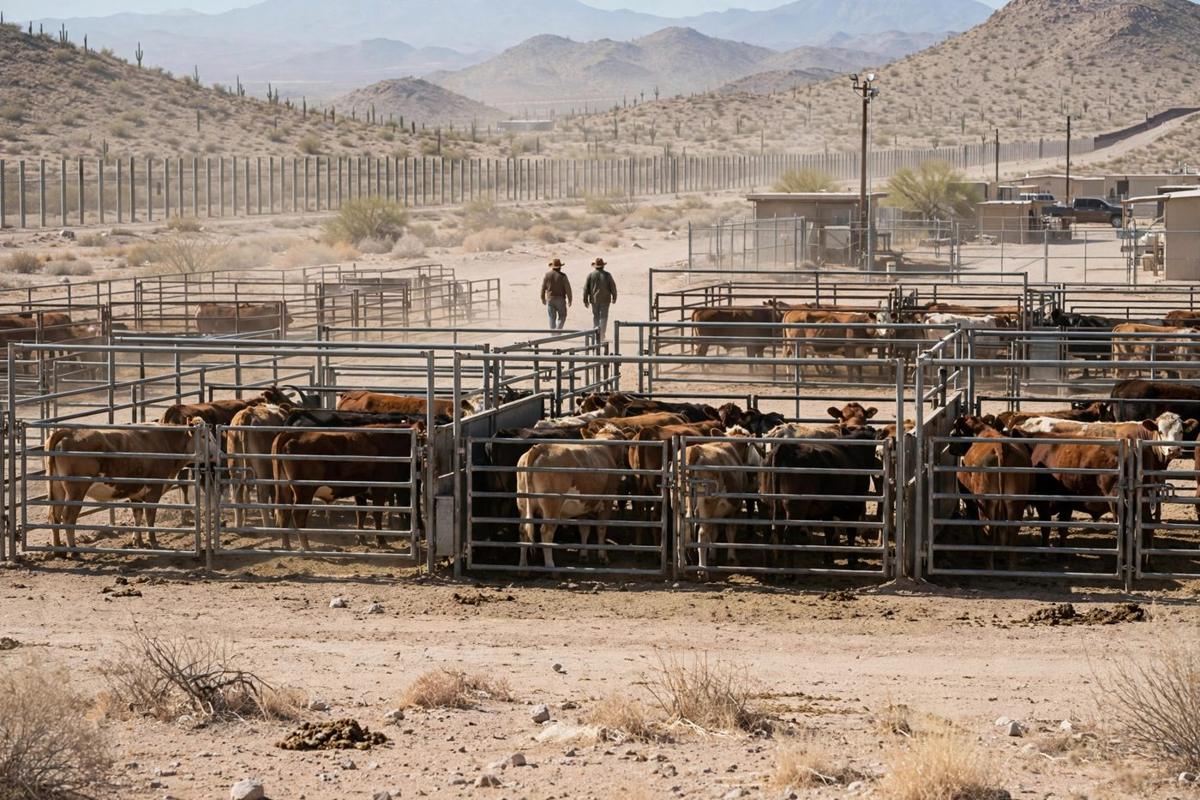
Agriculture Secretary Brooke Rollins announced the next steps on Oct. 20. Cattle trade will restart in Columbus, New Mexico, on Oct. 26, according to Reuters and Drovers, which reported the announcement from the USDA and its New World Screwworm Rapid Response account. Nogales, Arizona, will reopen on Nov. 30 if conditions for safe trade are in place and the required inspection arrangements and infrastructure are ready.
Inspections come first
Every animal must go through multiple inspections before it enters the United States, the rapid response account said in the announcement reported by Drovers. Rollins stressed the same point in the statement shared with the announcement. "Protecting American livestock remains the priority," she said.
Horse imports will also resume at Santa Teresa, New Mexico, on Oct. 26, Reuters reported. Drovers said horses will be quarantined at a USDA approved facility on the US side, and that import quarantine facilities on the Mexican side will stay closed. Santa Teresa opened to cattle on Sept. 24.
The two new ports follow earlier steps in the same phased plan. The USDA resumed livestock trade in Douglas, Arizona, in August, and at Santa Teresa in September, Reuters reported.
Why the border closed, and why it matters at the store
The halt was meant to stop the New World screwworm, a flesh eating parasite, from spreading in US herds. The agency said it has confirmed 56 US screwworm cases since June, and five are active, Reuters reported.
The block on Mexican cattle also cut the supply of animals that move into US feedlots and packing plants. Reuters said the halt helped push US ground beef prices to record highs this year. That rise has added to concern about food costs ahead of the midterm elections in November.
Tuesday's plan does not reopen the border all at once. Columbus opens first, on a set date. Nogales opens a month later only if officials judge that trade can move safely. Horse trade at Santa Teresa restarts under a US side quarantine rule, not the old arrangement.
For ranchers and importers along the southern border, the dates give a clear order of work: prepare for Columbus on Oct. 26, then for Nogales on Nov. 30 if the safety conditions hold. For shoppers, any effect on beef prices would come later, as more cattle move through the reopened ports and into the US supply chain.
Timeline
- Aug 2026The USDA resumes livestock trade in Douglas, Arizona, in the phased reopening, Reuters reported.
- Sep 24, 2026Santa Teresa, New Mexico, opens to cattle trade, according to Drovers.
- Oct 20, 2026Agriculture Secretary Brooke Rollins announces the next steps: Columbus for cattle, Santa Teresa for horses, and Nogales next if conditions allow.
- Oct 26, 2026Cattle imports are planned to restart in Columbus, New Mexico, and horse imports in Santa Teresa, New Mexico.
- Nov 30, 2026Cattle imports are planned to restart in Nogales, Arizona, if conditions for safe trade are in place.