
UK Puts 90 Million Pounds Into Atlantic Net Drones and Sensors to Hunt Russian Submarines
A framework deal with Ocean Infinity Solutions will build a North Atlantic network of autonomous sensors and uncrewed systems to guard undersea cables and give Astute class submarines earlier warning.
Key points
- LONDON.
- The framework agreement with Ocean Infinity Solutions, a company based in Hampshire, is due to be signed on Tuesday.
- Atlantic Net will put a network of autonomous systems across the North Atlantic.
LONDON. Britain will spend 90 million pounds (121 million dollars) on drones, sensors and artificial intelligence systems for the Royal Navy, in a new network meant to track Russian submarines in the North Atlantic and guard undersea cables and energy networks.
The framework agreement with Ocean Infinity Solutions, a company based in Hampshire, is due to be signed on Tuesday. Ministers announced it at the International Sea Power Conference in Oslo, Norway. It is the first phase of the Royal Navy's Atlantic Bastion programme, and the service itself is called Atlantic Net.
How Atlantic Net is meant to work
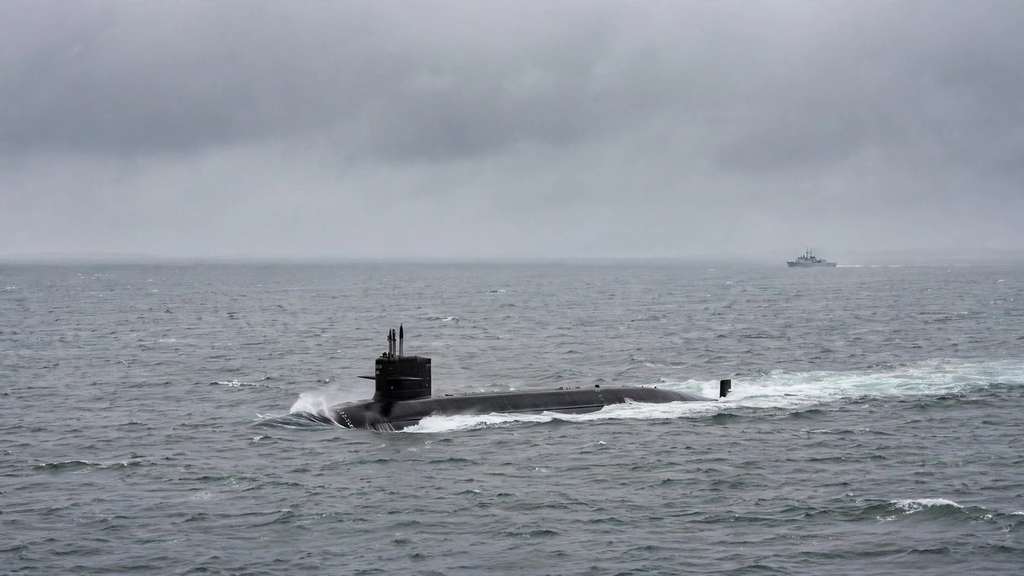
Atlantic Net will put a network of autonomous systems across the North Atlantic. Advanced sensors will watch for Russian submarines and other hostile activity below the surface, while uncrewed systems patrol the depths. The navy says the network will act as a single surveillance service, giving submarine hunting warships and Astute class submarines earlier warning of threats and a clearer picture of activity under the water.
The system brings together underwater sensing, communications, remote operations and data services, directed by the Royal Navy. Atlantic Bastion is the wider plan to build a hybrid navy of crewed and uncrewed vessels, a key recommendation of the Strategic Defence Review. It is meant to work alongside NATO and Joint Expeditionary Force allies, and ministers say the aim is to have Atlantic Net operational from next year.
Defence Readiness and Industry Minister Luke Pollard said: "The threats beneath the North Atlantic are changing, and we are changing with them." He said the investment gives the navy new technology to find threats earlier and protect critical infrastructure.
In the same speech, Pollard said Saab UK has been contracted to fit lightweight counter drone radar systems into the Kraken K3 Scout fleet, small uncrewed boats that patrol the British coastline.
Jobs, and the Russian activity behind the plan
The government says the Ocean Infinity framework will support almost 200 new skilled jobs at the company and in its supply chain, on top of the 38,700 jobs in South East England that defence ministry spending already supports.
Western officials have warned that Russia has stepped up activity around subsea infrastructure in recent years, and Britain said in April that it had deployed systems to watch that activity. Russia has denied allegations of interference and sabotage. The new spending is Britain's answer on the surveillance side: persistent sensors and uncrewed patrols across the Greenland, Iceland and UK gap, the stretch of water Russian submarines must cross to reach the open Atlantic.
Timeline
- Nov 10, 2026Britain announces a 90 million pound framework with Ocean Infinity Solutions for Atlantic Net, the first phase of the Royal Navy's Atlantic Bastion programme, at the International Sea Power Conference in Oslo.
- 2027Atlantic Net is due to become operational from next year, ministers say, with autonomous sensors and uncrewed systems watching the North Atlantic.