
Supreme Court Declines California Doctor Implicit Bias Training Case, Leaving State Rule in Place
The justices on Monday, November 16 denied Dr. Azadeh Khatibi's petition and left in place a 9th Circuit ruling that upheld California's requirement that continuing education for doctors address implicit bias.
Key points
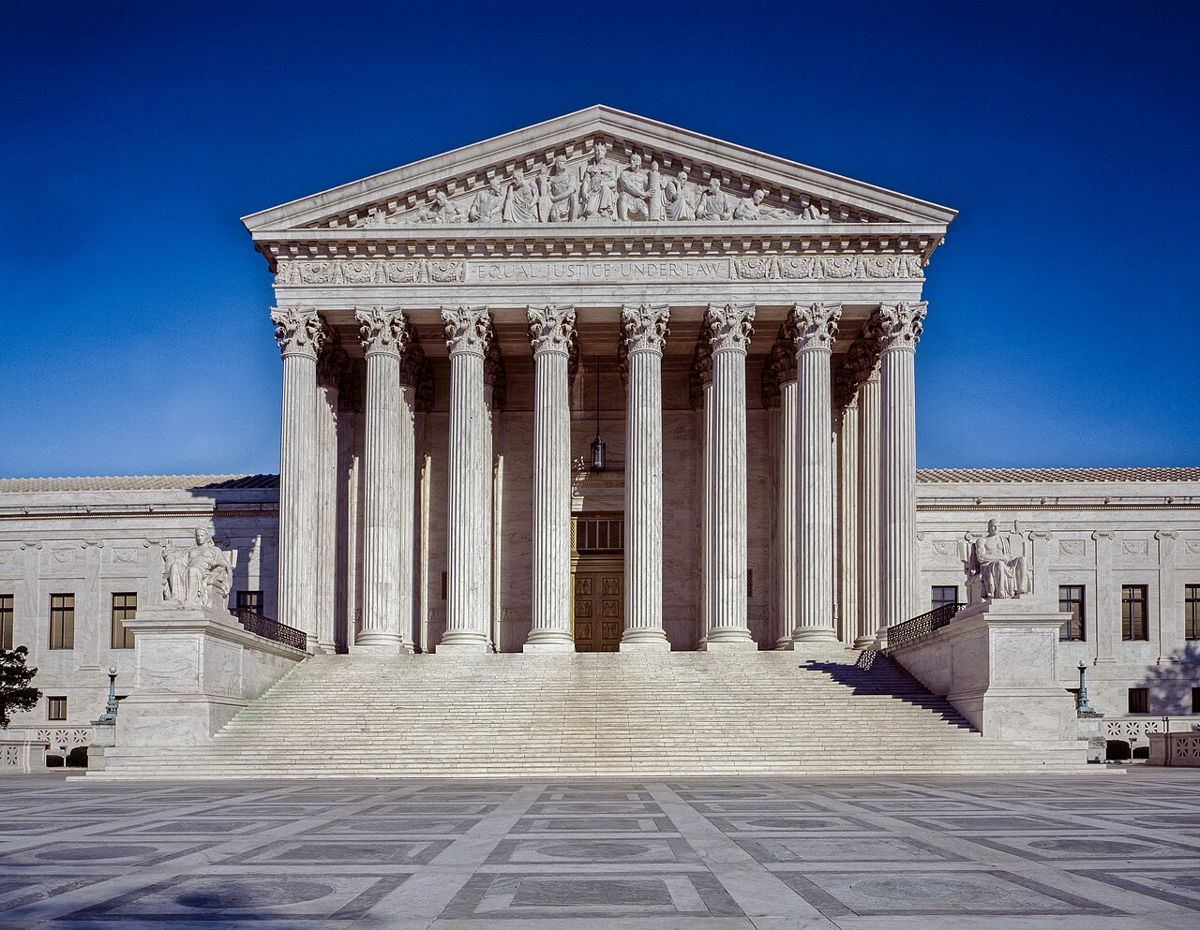
- The US Supreme Court on Monday, November 16, 2026 declined to decide whether California's requirement that doctors be educated about implicit bias violates the First Amendment.
- California physicians must complete 50 hours of approved continuing medical education every two years to renew their licenses.
- Khatibi challenged the requirement as compelled speech, arguing that the state may not force private instructors to teach its message.
The US Supreme Court on Monday, November 16, 2026 declined to decide whether California's requirement that doctors be educated about implicit bias violates the First Amendment. The justices denied the petition from Dr. Azadeh Khatibi, a Los Angeles ophthalmologist, and left in place a lower court ruling that upheld the state rule. USA Today reported that Justices Clarence Thomas, Samuel Alito and Neil Gorsuch said they would have taken the case. It takes four justices to agree to hear an appeal, and Bloomberg Law reported that the court issued the denial on Monday without taking up the dispute.
What California requires
California physicians must complete 50 hours of approved continuing medical education every two years to renew their licenses. Since 2022, courses for physicians involved in direct patient care must include instruction on implicit bias, the unconscious prejudices that can affect how doctors treat patients. The California legislature adopted the requirement in 2019. Lawmakers said unconscious prejudices often contribute to unequal health care based on a patient's race, gender, age, disability or other characteristic. The legislature cited findings that African Americans are often prescribed less pain medication than white patients with similar problems, and that women are less likely to survive a heart attack when treated by a male doctor.
The legal fight
Khatibi challenged the requirement as compelled speech, arguing that the state may not force private instructors to teach its message. She is represented by the Pacific Legal Foundation and backed by the group Do No Harm. A federal district judge dismissed her suit. The San Francisco based 9th US Circuit Court of Appeals affirmed that dismissal, ruling that the continuing education materials are government speech. The First Amendment restricts government regulation of private speech, the court said, but it does not restrict government speech itself. The appeals court also said California has long controlled the practice of medicine, and that implicit bias is part of the state's evolving judgment about the essential knowledge competent doctors need.
Thomas, explaining why he wanted to take the case, wrote that the training requirement "is not speech by any government actor; it is a requirement that private speakers communicate certain messages." He warned that the government speech doctrine should not be wielded as "a cover for censorship" or a cloak for compelled speech. Caleb Trotter, a senior attorney at the Pacific Legal Foundation, said in a statement that the training tells doctors their colleagues harbor hidden racial prejudices and tells minority patients that a white physician is likely to damage their health. "That's not medicine. It's compelled speech," Trotter said.
What the denial means
A denial of review is not a ruling on the merits. It leaves the 9th Circuit decision standing and keeps the California requirement in force for physicians in direct patient care. California is the only state that requires implicit bias content in every continuing education course involving direct patient care, though five other states adopted some form of implicit bias training mandate between 2019 and 2022. The justices considered Khatibi's petition at their September 28 conference before issuing Monday's denial. The case now ends at the Supreme Court, and the state rule continues while the wider fight over state control of professional education goes on in other courts.
Timeline
- 2019The California legislature adopts the implicit bias education requirement for continuing medical education, citing unequal health care linked to unconscious prejudice.
- 2022The requirement takes effect for California physicians involved in direct patient care, inside the 50 hours of continuing education required every two years.
- Sep 28, 2026The justices consider Dr. Azadeh Khatibi's petition at their September 28 conference.
- Nov 16, 2026The Supreme Court denies the petition, leaving the 9th Circuit ruling and the California rule in place. Justices Thomas, Alito and Gorsuch say they would have taken the case.