
Supreme Court Blocks Trump Transgender Prison Policy for Now
The justices denied an emergency request on Wednesday and left in place a lower court order that keeps gender affirming care available to transgender inmates in federal prisons while the lawsuit continues.
Key points
- The Supreme Court on Wednesday refused to let the Trump administration immediately enforce a policy that would cut off gender affirming care for transgender inmates in federal prisons.
- Justices Clarence Thomas and Samuel Alito publicly dissented.
- The Federal Bureau of Prisons issued the policy in February.
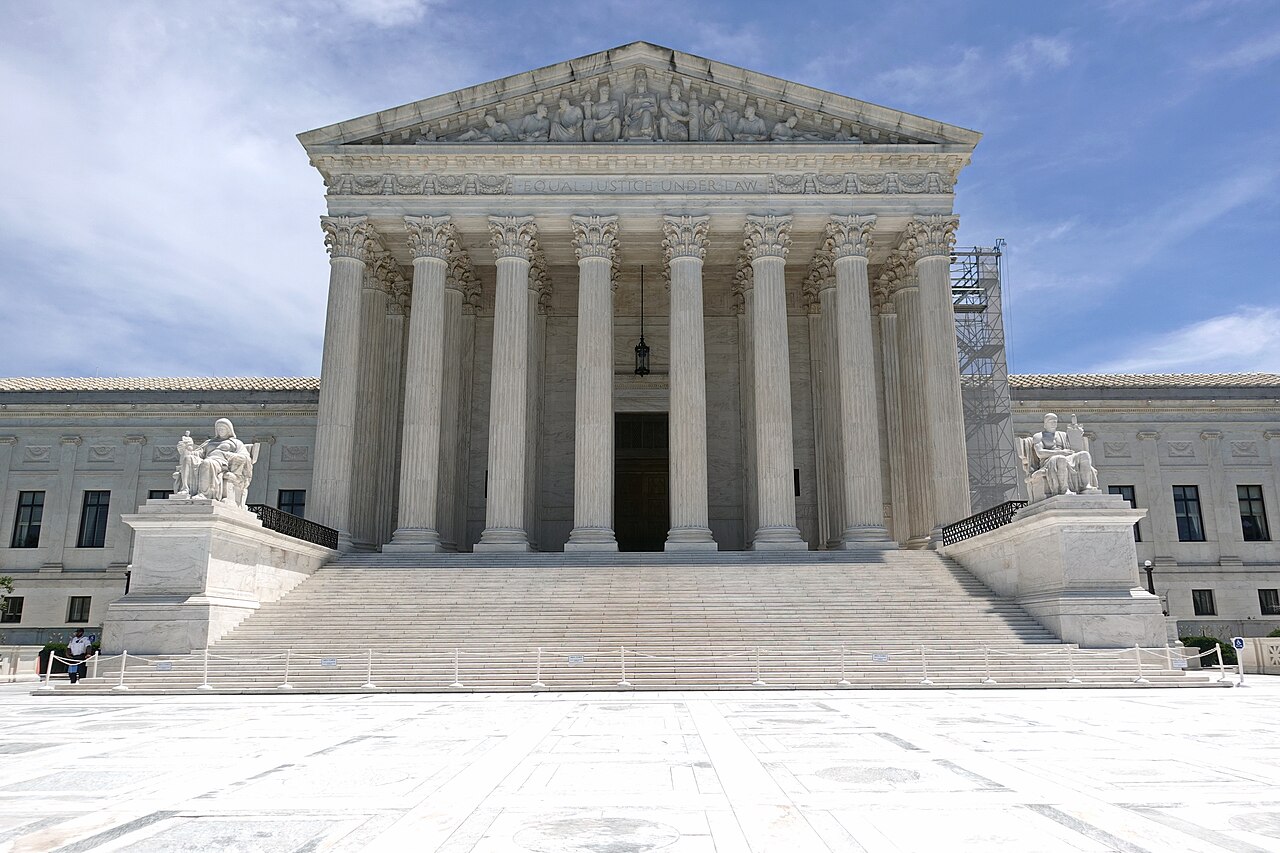
The Supreme Court on Wednesday refused to let the Trump administration immediately enforce a policy that would cut off gender affirming care for transgender inmates in federal prisons. In a brief order with no explanation, the justices denied a Justice Department emergency request and left in place a lower court ruling that blocks the policy while a challenge moves forward.
Justices Clarence Thomas and Samuel Alito publicly dissented. They said they would have granted the request and let the policy take effect. The result is a rare loss at the court for President Donald Trump, whose administration has moved on several fronts to deny recognition of transgender people.
The policy the court kept on hold
The Federal Bureau of Prisons issued the policy in February. It prohibits surgical and hormonal treatments for transgender inmates. It also bans what the bureau calls social accommodations, such as makeup, wigs, clothing and hair removal devices used to match a person's appearance to their gender identity. Psychiatric services would still be provided under the policy.
The rules would reverse a long standing practice. According to the inmates who sued, the federal prison system has treated people diagnosed with gender dysphoria with hormones since at least 1992. Gender dysphoria is the clinical term for distress that can come from a mismatch between a person's gender identity and the sex assigned at birth.
The policy followed an executive order Trump signed on his first day back in office in January 2025. The order said the federal government will recognize two sexes only, male and female, and said those sexes are not changeable.
How the case reached the court
Three transgender inmates held at federal prisons in New Jersey, Florida and Minnesota filed a class action lawsuit, known as Kingdom v. Trump, to challenge the policy. In June 2026, US District Judge Royce Lamberth in Washington blocked the bureau from putting the policy into effect. Lamberth said he had no intention of wading into the culture war being waged against transgender individuals. He said he was simply deciding whether the government had followed the correct procedures for issuing new rules, and found it had not.
The US Court of Appeals for the District of Columbia Circuit also refused to pause Lamberth's order. Solicitor General D. John Sauer then asked the Supreme Court to intervene on an emergency basis. Wednesday's order denied that request. As is common with emergency orders, the court gave no reasons.
What each side argues
The Justice Department told the court the changes reflect the latest scientific information about treatments for gender dysphoria and are needed to maintain security inside prisons. The government said providing the care could turn inmates into targets for attacks, breed resentment among other inmates and undermine what it called the bureau's reasonable practice of refusing to reward threats of self harm.
Li Nowlin-Sohl, a senior staff attorney at the American Civil Liberties Union involved in the case, said the ACLU believes more than 2,000 people in Bureau of Prisons custody identify as transgender. The lawsuit represents about 1,000 inmates diagnosed with gender dysphoria, and the ACLU believes about 800 have been prescribed hormone therapy. The bureau stopped publishing data on transgender inmates after Trump took office in 2025 and now records people in the federal system as male or female only.
What happens next
The policy stays blocked and care continues for now. The lawsuit will continue in the lower courts. Wednesday's order does not decide whether the policy is lawful, only that the administration cannot enforce it while that fight plays out.
Timeline
- 1992The federal prison system has provided hormone treatment to people diagnosed with gender dysphoria since at least this year, according to the inmates who sued.
- Jan 2025On his first day back in office, President Trump signs an executive order saying the federal government will recognize two sexes only, male and female.
- Jun 2026US District Judge Royce Lamberth blocks the Bureau of Prisons policy, finding the government did not follow the correct procedures for issuing the new rules.
- Oct 21, 2026The Supreme Court denies the Justice Department emergency request to lift the block, with Justices Thomas and Alito dissenting.