
A Delhi Protest Is Now a Video Game, and 1,500 People Are Playing It at Once
Built in two sleepless nights by a 27 year old engineer from Bareilly, the free browser game Jantar Mantar Chalo lets players march as protesters or break up crowds as police, and more than 1,500 people now play at once.
Key points
- A protest in Delhi has found a second life on phone and laptop screens.
- Suraj Kushwah, a DevOps engineer from Bareilly who uses the name bugswriter online, works at oneplay.in and runs a Linux focused YouTube channel.
- That ease is part of the appeal.
A protest in Delhi has found a second life on phone and laptop screens. Jantar Mantar Chalo, a free browser game built in two sleepless nights by a 27 year old engineer, lets players join a street procession or play the police trying to stop it. At its peak moments, the number of people playing at the same time has consistently passed 1,500, its creator told The Print, in reporting carried by LiveMint.
Two sleepless nights and a simple idea
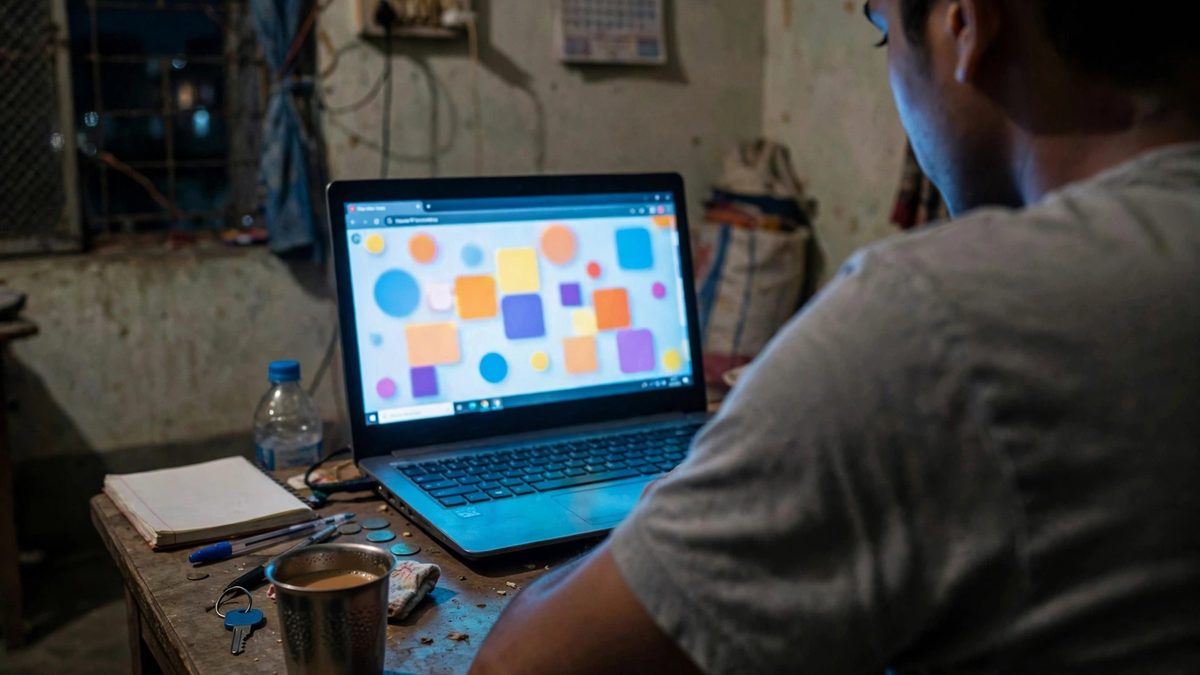
Suraj Kushwah, a DevOps engineer from Bareilly who uses the name bugswriter online, works at oneplay.in and runs a Linux focused YouTube channel. He built the satirical game in two sleepless nights, inspired by the Jantar Mantar 2.0 protests in Delhi. It is not a big studio release. There is no login and no download. Anyone can open mantarjantar.com in a browser and start playing for free.
That ease is part of the appeal. A real protest needs travel, time and, in Delhi this week, a way past barricades and closed parks. The game needs only a link. Friends share it, strangers join the same crowd, and a march that many young people could not reach in person becomes a room anyone can enter from home, from a bus or from a hostel bed late at night.
Pick a side: Andolankaris or police
Players pick a side at the start. They can join the protesters, called Andolankaris, or they can play as the Delhi Police. The core play borrows from the multiplayer game Slither, and the rule is easy to learn: numbers decide strength. A lone player is weak. A growing crowd is harder to stop.
As a protester, you gather people into a growing procession, push through barricades and try to reach Jantar Mantar to hold a sit-in. The route is the game. Every person you collect makes the procession longer and stronger, and every barricade tests whether your numbers are enough. Reach the goal with your crowd intact and you have done in minutes what real marchers spend a whole day trying to do.
As police, the job flips. Players use lathi charges, tear gas and detentions to break up crowds before they grow too large. It is a contest of timing. Stop a small group early and the round stays calm. Wait too long and the procession rolls past you.
Golgappas, a gamchha and a long walk back
The small details are what players share most. Reporting by Jagran notes that eating golgappas restores energy in the game, a joke any Delhi street crowd will get at once. A gamchha, the simple cloth carried across north India, helps a player evade CCTV. It is a wink at real protest talk about cameras, turned into a light game tool.
Detention also has a local flavour. Detained players get sent to far off spots such as the Kapashera border or Narela Stadium and must find their way back. Anyone who follows Delhi protests knows the feeling behind the joke: you get picked up, dropped far from the centre, and the day turns into a long trip home. In the game, the trip back is the punishment and the fun.
Why it travels
Kushwah shared a gameplay video on Instagram. Influencers reposted it, and new players followed. The growth makes sense. The players are young, many of them know the real streets in the game, and the humour is dark but warm. It laughs at barricades, cameras and long detentions without turning cruel. It also gives people a way to take part in a story they are watching all day on their feeds.
There is a second reason. The game translates a confusing news week into clear rules. Gather people. Watch the cameras. Energy drops, eat something. Get detained, find your way back. Real protests are messy and often tense. The game keeps the familiar parts and drops the fear, so a headline becomes something you can hold in your hands for five minutes.
Key numbers
Creator: Suraj Kushwah, age 27, from Bareilly. Build time: two sleepless nights. Players online at once: consistently passed 1,500, according to the creator in The Print reporting. Price: free. Access: browser at mantarjantar.com, no login needed. Sides: two, Andolankaris and Delhi Police.
What happens next
For now the game lives on shares. Each repost brings a fresh wave, and each wave tests whether the simple loop can hold people after the first laugh. Kushwah has not announced a big next step in the reports, and the game does not need one to matter. It already did its job. It took a week of closed gates and heavy policing in the capital and turned it into a small, kind joke that 1,500 strangers can play together at once.