
Huawei Trial Goes to the Jury in Brooklyn After Two Months of Testimony
Closing arguments ended Tuesday in Brooklyn federal court. Judge Ann Donnelly was expected to instruct the jury on Wednesday, with deliberations to follow and a separate verdict required on each of the 12 remaining counts.
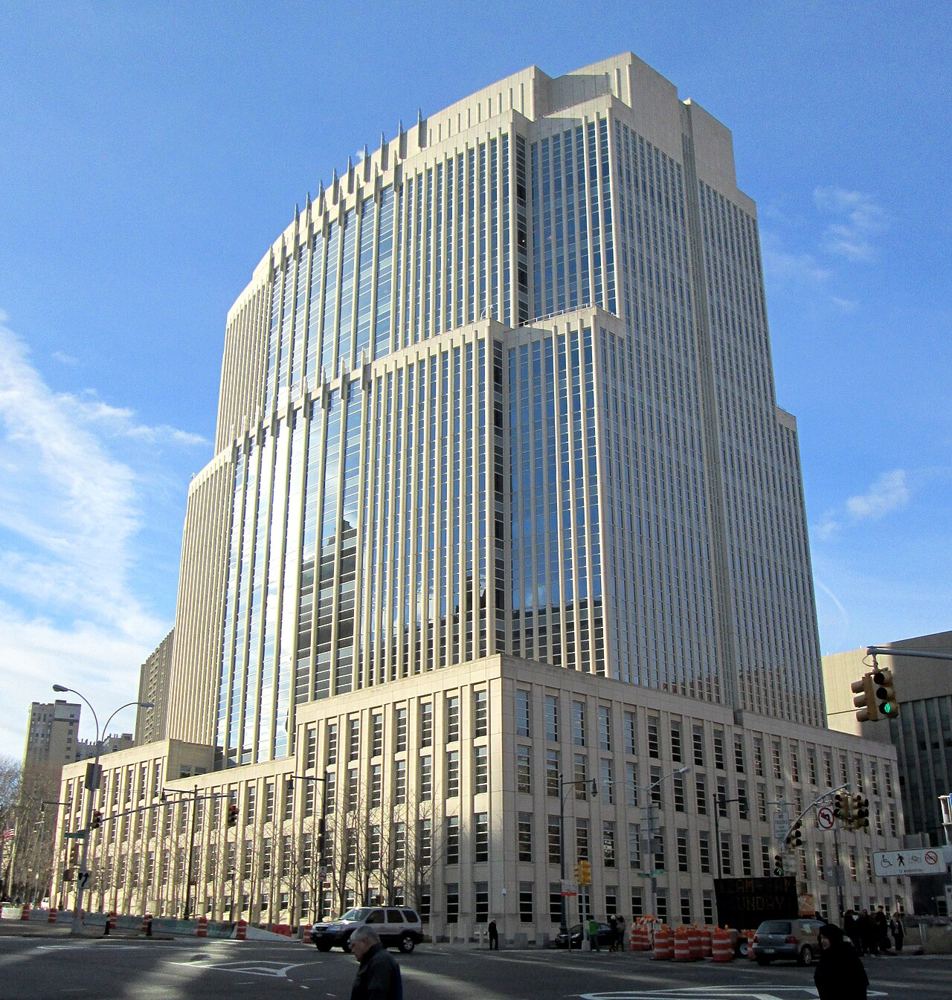
Key points
- Closing arguments ended on Tuesday in the federal trial of Huawei in Brooklyn, and the case now moves to the jury after two months of testimony.
- Judge Ann Donnelly was expected to instruct the jury on Wednesday in the U.S. District Court for the Eastern District of New York.
- The trial went to court in September.
Closing arguments ended on Tuesday in the federal trial of Huawei in Brooklyn, and the case now moves to the jury after two months of testimony.
Judge Ann Donnelly was expected to instruct the jury on Wednesday in the U.S. District Court for the Eastern District of New York. Deliberations were expected to begin after those instructions. Jurors must return a separate verdict on each count.
Two months of testimony
The trial went to court in September. Jury selection began on September 8. Prosecutors called more than 60 witnesses. The defense called about 15 witnesses.
The case follows eight years of investigations and indictments. Four Huawei companies are defendants, including Huawei Technologies Co. and Futurewei. Huawei has denied all charges.
The charges that remain
After prosecutors dropped two sanctions related counts in September, 12 counts remain. They include racketeering conspiracy, conspiracy to steal trade secrets, bank fraud and obstruction of justice.
Prosecutors accuse Huawei of scheming to defraud HSBC and other banks about its business in Iran. They accuse the company of conspiring to steal trade secrets from five U.S. tech companies. They also accuse Huawei of operating as a criminal enterprise. The Associated Press reported that prosecutors said the company helped Iran spy on its citizens and stole from U.S. companies.
Two closing arguments
Assistant U.S. Attorney Meredith Arfa gave the prosecution closing on Monday. She said: "For 20 years, Huawei committed a pattern of crimes targeted at American companies, the American financial system and the American government."
Defense lawyer Brian Heberlig argued on Tuesday that prosecutors put a "sinister spin" on Huawei business activities and failed to prove the charges. He said: "They began with guilt and worked backwards." He said prosecutors decided Huawei was a criminal enterprise and built the case from that premise.
What the verdict will carry
The verdict lands as tensions between the United States and China run high over artificial intelligence. A fragile trade truce holds between the two countries, Reuters reported in its coverage of the closings. That context sits outside the courtroom, but it shapes the attention on the case.
Inside the courtroom, the question is narrower. Jurors must weigh two months of testimony against each of the 12 counts, one by one. No date for a verdict has been set. Deliberations begin once the judge finishes her instructions.
Timeline
- Sep 8, 2026Jury selection began in the Huawei trial in Brooklyn federal court.
- Sep 2026The trial went to court. Prosecutors dropped two sanctions related counts, leaving 12 counts for the jury.
- Nov 16, 2026Assistant U.S. Attorney Meredith Arfa gave the prosecution closing argument.
- Nov 17, 2026Defense lawyer Brian Heberlig gave the defense closing, and closing arguments concluded.
- Nov 18, 2026Judge Ann Donnelly was expected to instruct the jury, with deliberations to begin and a separate verdict required on each count.