
UK Inflation Rises to 3.6 Percent in October as Fuel Costs Climb
The rate hit a one-year high of 3.6 percent as motor fuel jumped 33.2 percent over the year, while core inflation held at 2.8 percent ahead of the Bank of England decision on December 17.
Key points
- UK inflation rose to 3.6 percent in the 12 months to October, the highest rate in a year, the Office for National Statistics said on Wednesday.
- Fuel did most of the damage.
- ONS chief economist Grant Fitzner said fuel was once again a major contributor.
UK inflation rose to 3.6 percent in the 12 months to October, the highest rate in a year, the Office for National Statistics said on Wednesday. The rate was up from 3.5 percent in September. It was the fourth monthly increase in a row and matched the forecast of economists polled by Reuters.
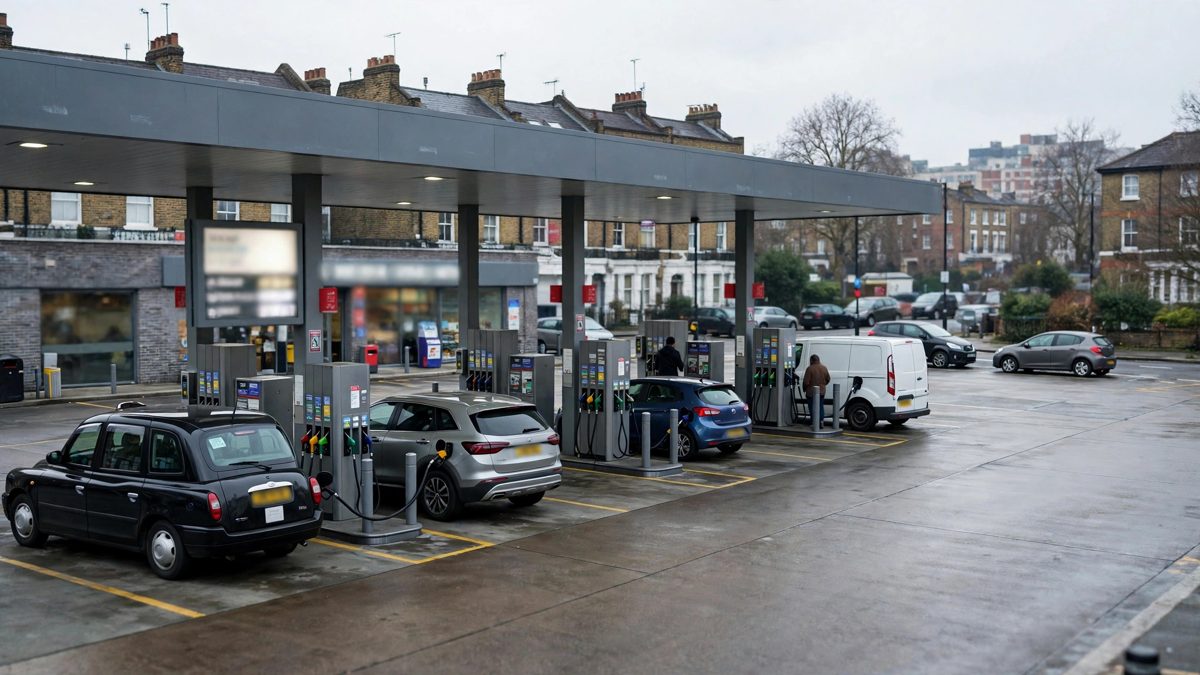
Fuel did most of the damage. Motor fuel prices were 33.2 percent higher than a year earlier, the steepest rise since 2022. The average price of petrol rose 5.2 pence between September and October to 174.7 pence a litre. Diesel rose 7 pence to 199.5 pence a litre, the highest in a series that goes back to 1996.
ONS chief economist Grant Fitzner said fuel was once again a major contributor. "Inflation rose slightly in October, with fuel prices once again a major contributor to the increase in the annual rate," he said.
The detail under the headline
Core inflation, which strips out energy, food, alcohol and tobacco, held at 2.8 percent. Services inflation held at 3.7 percent. The broader CPIH measure, which includes owner occupiers' housing costs, rose to 3.7 percent from 3.6 percent. Food and non-alcoholic drink inflation fell to its lowest since 2021.
That split matters for the Bank of England. The headline rate is moving away from the Bank's 2 percent target, but the parts of inflation the Bank watches most closely did not get worse in October.
Why it matters
The figures land six weeks before the Bank's next rate decision on December 17. On November 5 the Bank raised Bank Rate by a quarter point to 4 percent, its first increase in three years. Its November forecast sees inflation rising to about 5 percent in the second quarter of 2027, well above the 3.7 percent it had pencilled in for October.
Households feel the fuel numbers first. Petrol and diesel feed into delivery costs, food distribution and heating oil, so a fuel-led rise tends to spread. Tobacco also pushed the rate up: prices rose 5.2 percent in the month and 12.4 percent over the year after duty changes.
What happens next
The November inflation figures come out on December 16, one day before the Bank decides. If fuel keeps rising, the Bank will face pressure to raise rates again. If core and services inflation stay flat, it has room to wait. Either way, the October print ends any talk of inflation drifting quietly back to target this year.
Timeline
- Nov 5, 2026Bank of England raises Bank Rate by a quarter point to 4 percent, its first increase in three years.
- Nov 18, 2026ONS reports CPI inflation of 3.6 percent for October, the highest in a year, led by motor fuel.