
Tucson, Arizona: Seventh Screwworm Case Found in a Horse, New Infested Zone Set in Pima County
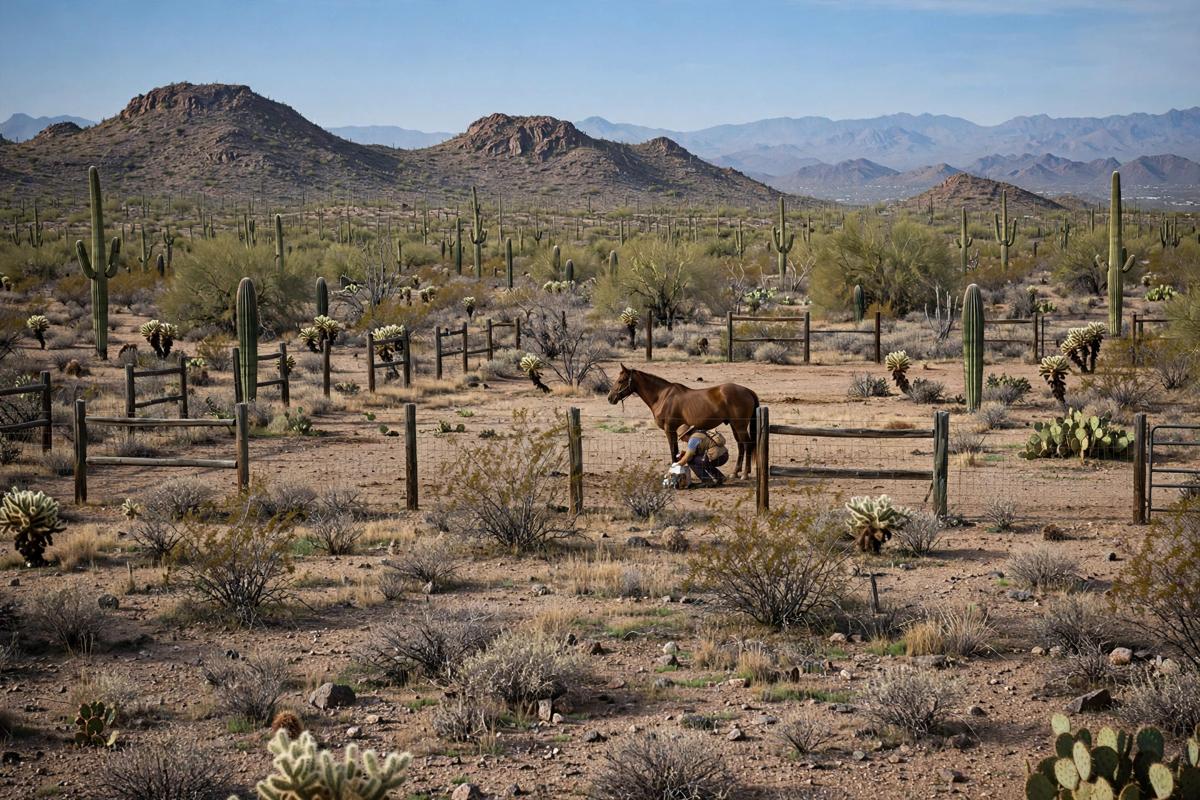
The Arizona Department of Agriculture reported the state's seventh New World screwworm case on November 13, in a horse near Tucson. A mandatory 12.4 mile infested zone now covers part of Pima County, the fourth zone in the state.
Key points
- The Arizona Department of Agriculture reported a case of New World screwworm in a horse near Tucson on November 13.
- A new infested zone was established with the finding, with a mandatory radius of 12.4 miles around the reported case.
- New World screwworm is carried by a fly that lays its eggs on open wounds.
The Arizona Department of Agriculture reported a case of New World screwworm in a horse near Tucson on November 13. It is the seventh case in Arizona in three weeks, and the first to place Pima County inside a mandatory infested zone.
A new infested zone was established with the finding, with a mandatory radius of 12.4 miles around the reported case. No animals may leave the area until restrictions are lifted or under the direction of the state veterinarian. Arizona now has four infested zones, in Cochise, Greenlee, Graham and Pima counties. The new case raises the state count to four horses, two dogs and a sheep.
How the parasite spreads
New World screwworm is carried by a fly that lays its eggs on open wounds. The larvae hatch and feed on live tissue, causing animals severe pain. Infestations are treatable, and animals that are treated recover quickly.
Small wounds, even scratches, can raise the risk of infection, and officials advise checking animals daily. Pet owners who live inside the infested zones can give their animals monthly over the counter or prescription treatment to prevent screwworm, though it is not required. Wildlife can carry the parasite without detection and can die from the infestation and infection that follow.
Taking an animal that carries the parasite across state lines, including a pet, spreads the risk to new ground. Once the larvae mature, they drop to the ground and pupate in the soil, then emerge as flies and repeat the cycle.
The response on the ground
Containment rests on movement limits for livestock and domestic animals inside the zones and on releases of sterile flies. The United States Department of Agriculture has dispersed 3.3 million sterile flies in affected parts of Arizona to date, a spokesperson for the agency told The Arizona Republic.
The sterile insect technique is the main tool available to cut the population of the parasite, which has spread north of a containment zone near Panama since 2023. Two production plants are active, one in Panama and one in southern Mexico. The USDA is working with the United States Army Corps of Engineers to build a third plant at Moore Air Base in southern Texas.
The Tucson case follows a pattern set in the southeast of the state. Arizona confirmed its first case on October 28, in a dog in Cochise County. Its sixth case, reported on November 10, was a horse near Pearce in Cochise County, about five miles from the first case. The Tucson horse moves the map west, into the county that holds the state's second largest city.
What owners near Tucson should do now
Arizona officials urge pet owners, ranchers and hunters to report every suspected New World screwworm case at once to the state agriculture department at [email protected].
The department and the University of Arizona's Arizona Livestock Incident Response Team will hold a virtual information meeting on Monday, November 16, from 5:30 p.m. to 8 p.m. The meeting will cover the detected cases and the response work, and community members can ask questions.
For owners inside the new Pima County zone, the rule is simple until officials lift it. Animals stay inside the 12.4 mile radius, wounds get checked every day, and any suspected case gets reported the same day it is found.
Timeline
- Oct 28, 2026Arizona confirms its first New World screwworm case, in a dog in Cochise County.
- Nov 10, 2026Arizona reports its sixth case, a horse near Pearce in Cochise County, about five miles from the first case, and expands the Cochise County infested zone.
- Nov 13, 2026The Arizona Department of Agriculture reports the seventh case, in a horse near Tucson. A new mandatory 12.4 mile infested zone is set in Pima County.
- Nov 16, 2026The department and the University of Arizona's Arizona Livestock Incident Response Team hold a virtual information meeting from 5:30 p.m. to 8 p.m. on the detected cases and the response.
Sources
- Arizona Republic: Screwworm case reported in Tucson-area horse, widening infested zone
- Tucson Daily Brief, November 14, 2026 (KJZZ reporting on the seventh case near Tucson)
- Arizona Republic: With 6th screwworm case, Arizona widens infested zones in 3 counties
- dvm360: Arizona issues dog and cat travel guidance as New World screwworm cases reach 6 (citing Arizona Department of Agriculture records)