
Trump Posthumously Pardons Pete Rose for Tax Crimes
President Donald Trump announced on November 19, 2026 that he had pardoned Pete Rose, baseball's all time hits leader, in the federal tax case that sent Rose to prison in 1990.
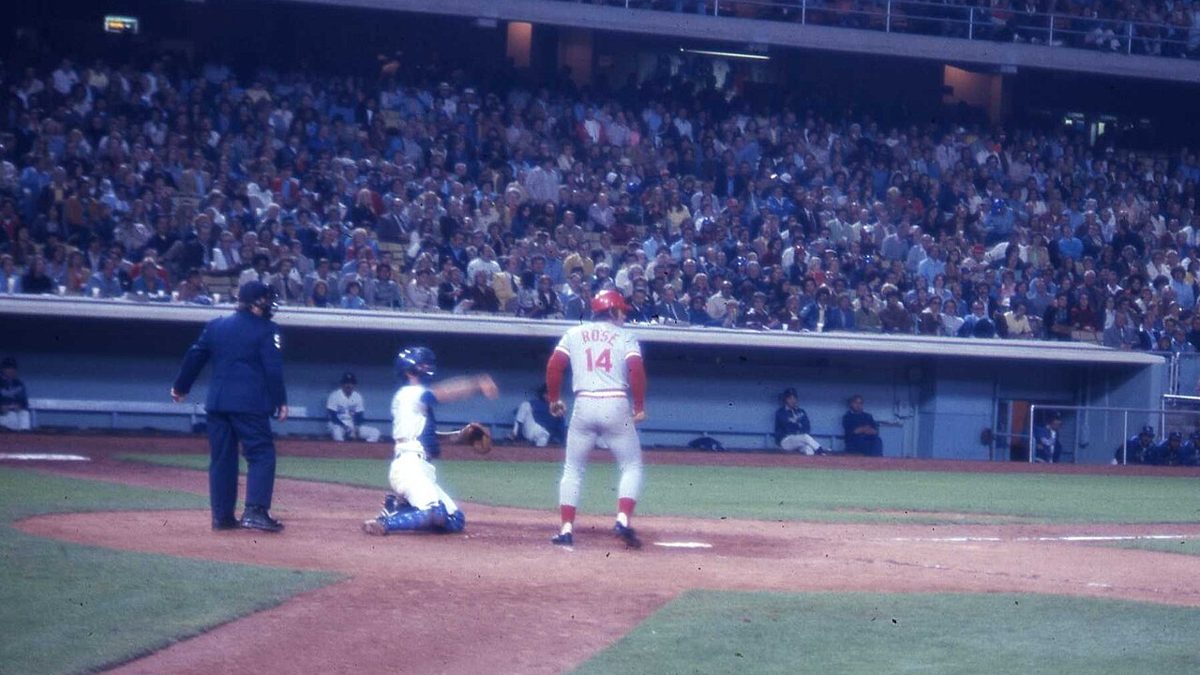
Key points
- President Donald Trump said on Thursday, November 19, 2026, that he had given a posthumous pardon to Pete Rose, the baseball player with more hits than anyone in Major League Baseball history.
- "I have just given a Complete and Total Pardon to the Late, Great Pete Rose, a true Baseball SUPERSTAR and LEGEND," Trump wrote in the post, according to Reuters, CNN and USA Today.
- Rose collected 4,256 hits in a 24 year career from 1963 to 1986, most of it with the Cincinnati Reds.
President Donald Trump said on Thursday, November 19, 2026, that he had given a posthumous pardon to Pete Rose, the baseball player with more hits than anyone in Major League Baseball history. Trump announced the pardon in a social media post while flying home from a trip to Asia, Reuters reported. The pardon covers the federal tax case that sent Rose to prison more than three decades ago.
"I have just given a Complete and Total Pardon to the Late, Great Pete Rose, a true Baseball SUPERSTAR and LEGEND," Trump wrote in the post, according to Reuters, CNN and USA Today.
Rose collected 4,256 hits in a 24 year career from 1963 to 1986, most of it with the Cincinnati Reds. He remains the all time hits leader in Major League Baseball. His playing record, on its own, would have placed him among the strongest candidates for the National Baseball Hall of Fame.
The ban and the tax case
Baseball banned Rose from the sport in 1989 after an investigation found that he had bet on games, including games involving the Reds while he managed the team. The ban kept him out of the game and off the Hall of Fame ballot for the rest of his life.
On April 20, 1990, Rose pleaded guilty to two counts of filing false tax returns. He admitted that he had failed to report 354,968 dollars over four years, a figure reported by ESPN. He served five months in federal prison.
Rose died in September 2024 at age 83. He never returned to baseball in an official role, and for decades each new commissioner kept the ban in place.
What changed before the pardon
In May 2025, Commissioner Rob Manfred posthumously removed Rose from the permanently ineligible list. That decision ended the baseball ban after Rose's death and opened a path to the Hall of Fame for the first time.
The pardon announced on November 19, 2026 is a federal legal act. It addresses the tax conviction. It does not by itself change the Hall of Fame process, which runs through the Hall and its era committees.
The next step in that process is set. The Classic Baseball Era ballot is due to be voted on in December 2027. If Rose is elected on that ballot, the earliest possible induction would be in 2028.
The National Baseball Hall of Fame did not respond to a request for comment from Reuters after the pardon was announced.
Timeline
- 1989Baseball banned Rose from the sport after an investigation found he had bet on games, including Reds games while he managed the team.
- Apr 20, 1990Rose pleaded guilty to two counts of filing false tax returns and later served five months in federal prison.
- Sep 2024Rose died at age 83.
- May 2025Commissioner Rob Manfred posthumously removed Rose from the permanently ineligible list, opening a Hall of Fame path.
- Nov 19, 2026President Donald Trump announced a posthumous pardon for Rose in the federal tax case.