
Supreme Court to Review Trump Asylum Restrictions at the Southern Border
The justices agreed on Friday to decide whether President Donald Trump exceeded his authority by barring migrants who cross the border illegally from applying for asylum. Arguments are expected in the coming months, with a ruling by the end of June.
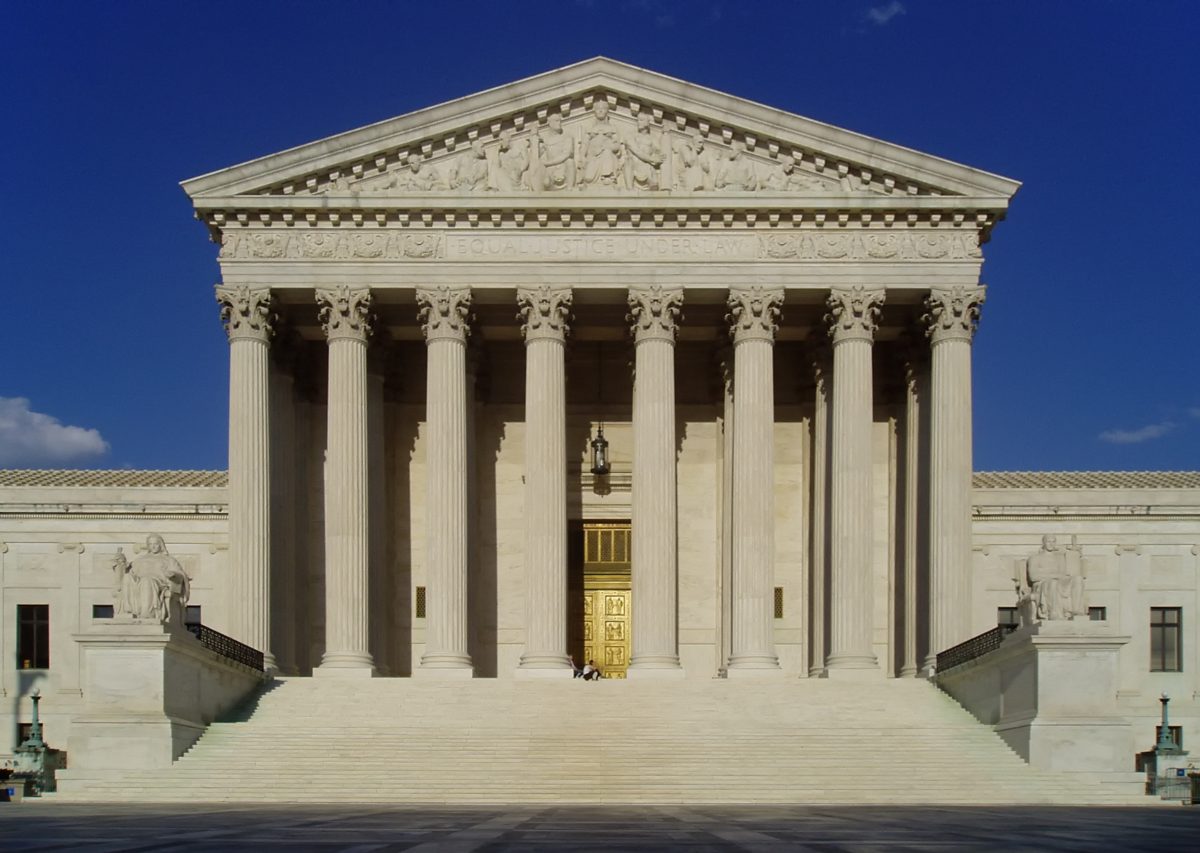
Key points
- WASHINGTON (Orbit Post) The US Supreme Court agreed on Friday, November 13, 2026 to consider the legality of President Donald Trump's restrictions on access to asylum at the US-Mexico border,…
- Trump announced the curbs just hours into his second presidential term on January 20, 2025, describing the influx of migrants as an invasion.
- Under the policy, migrants caught crossing the southern border illegally are barred from pursuing asylum claims.
WASHINGTON (Orbit Post) The US Supreme Court agreed on Friday, November 13, 2026 to consider the legality of President Donald Trump's restrictions on access to asylum at the US-Mexico border, Reuters reported. The justices took up Trump's appeal of a lower court ruling that found he exceeded his authority by denying migrants caught entering the country illegally the chance to apply for asylum.
The policy at the border
Trump announced the curbs just hours into his second presidential term on January 20, 2025, describing the influx of migrants as an invasion. His proclamation said the policy would remain in effect until the president determines that the "invasion at the southern border" has ended.
Under the policy, migrants caught crossing the southern border illegally are barred from pursuing asylum claims. The bar also applies to migrants who arrive at official border crossings and lack certain medical or criminal history information, Reuters reported.
Federal immigration law allows anyone in the country or at an official entry port to apply for asylum. Immigrant rights groups filed a class action lawsuit challenging the policy on behalf of would-be asylum seekers who say they were denied a credible fear interview before facing deportation.
Two courts ruled against the policy
A Washington, DC based federal judge ruled in favor of the immigrant rights groups in July 2025. The judge ruled that Trump lacked the "sweeping authority" he asserted, USA Today reported. The US Court of Appeals for the District of Columbia Circuit in April upheld the judge's ruling, and said the president cannot enact a categorical ban on asylum requests for some applicants. The appeals court largely agreed to block the decision from taking effect to let the administration appeal to the Supreme Court.
What each side argues
The Justice Department told the Supreme Court that presidents have inherent authority to secure the border and protect national security. Because granting asylum is up to the government, the department argues, the president can broadly decide that anyone who illegally crosses the border is not eligible for asylum. The administration has described the policy as a "most important and effective" piece of its efforts to secure the southern border, USA Today reported.
The government says the policy has reduced the number of migrants apprehended at the border by 93 percent. The groups challenging the policy responded that border apprehensions were already down more than 90 percent from their peak before the change took effect.
Lawyers for the immigrant rights groups argue that Trump is eviscerating the protections Congress created for people fleeing persecution or torture. "If the Executive Branch nonetheless believes it needs new tools to manage the border, Congress must provide them," the lawyers told the Supreme Court.
A wider immigration term
The court has a 6-3 conservative majority and has been largely deferential to Trump in his second term in challenges to his immigration policies, Reuters reported. The justices are due to hear arguments on December 9 over the legality of deporting migrants to countries other than their own without a chance to show the harms they may face. Other immigration cases the court will hear this term include whether the administration can detain millions of immigrants without giving them a chance to seek bond, with decisions expected by the end of June.
Timeline
- Jan 20, 2025Trump announces the asylum curbs hours into his second presidential term, describing the influx of migrants as an invasion.
- July 2025A Washington, DC based federal judge rules in favor of immigrant rights groups, finding Trump lacked the sweeping authority he asserted.
- Nov 13, 2026The Supreme Court agrees to consider the legality of the asylum restrictions, with arguments in the coming months and a ruling expected by the end of June.