
Spain Holds First General Strike in 14 Years Over Housing, Wages and Prices
Unions said four million workers joined Spain's first joint general strike since 2012. Evening marches filled Madrid and Barcelona in the rain, and the Interior Ministry reported 919 incidents and 52 arrests by 5 p.m.
Key points
- Updated 22:35 UTC: The strike day closed with evening marches in the rain in Madrid and Barcelona and rival claims about its size.
- The Madrid government delegation counted 120,000 people at the capital's evening march.
- Cardoso of BBVA Research estimated the strike could cut 0.1 to 0.2 percent from Spain's annual GDP, as remote work and the service economy blunted its impact.
Updated 22:35 UTC: The strike day closed with evening marches in the rain in Madrid and Barcelona and rival claims about its size. UGT and CCOO said four million workers took part. The tenants' union said participation could reach five million by the end of the day, out of about 23 million workers in Spain. The Interior Ministry reported 919 incidents and 52 arrests by 5 p.m., RTVE reported, up from 40 arrests and 476 incidents reported by police at midday. Unions said 20 protesters were injured in a police operation involving tear gas and batons and said they would file a criminal complaint over the response.
The Madrid government delegation counted 120,000 people at the capital's evening march. Barcelona city police counted 55,000, while organisers claimed 400,000. On Madrid's Gran Via, protesters cheered as stores including Primark, H&M and Pull & Bear drew their shutters, chanting and shaking house keys above their heads. "I'm 36 years old and I still can't move out on my own," said Jesus Gonzalez, who works in hospital IT in Madrid and backed the strike. "Rents just keep going up, house prices just keep going up, and it's simply impossible."
Cardoso of BBVA Research estimated the strike could cut 0.1 to 0.2 percent from Spain's annual GDP, as remote work and the service economy blunted its impact. CEOE vice president Angela de Miguel called the strike counterproductive on state broadcaster TVE and said the answer was to build more homes and lower taxes on construction and home buying. Parliament votes on two government housing decrees on Thursday, November 12, less than three weeks before the November 29 election.
Workers across Spain began a 24-hour general strike at midnight on Wednesday, November 11, 2026, the first in 14 years backed jointly by the UGT and CCOO, over housing, wages and prices. It comes weeks before a general election on November 29.
The slogan is Salaries. Housing. Prices. Other labour organisations and tenants associations backed the strike. The last joint UGT and CCOO general strike was on November 14, 2012.
Pickets in stormy weather
Picket lines went up despite stormy weather. Two storms, Charles and Bruna, led weather agency AEMET to issue alerts for 14 regions over strong winds, rough seas and heavy rain, threatening afternoon protest marches.
UGT and CCOO said early participation reached 90 percent at ports and in the automotive sector, with total stoppages at the Volkswagen factory in Navarre and the SEAT plant in Barcelona. The unions put early turnout at 85 percent in the meat industry, 82 percent in waste collection, 75 percent in energy, 38 percent in healthcare and social services, and 35 percent in the postal service.
Tensions at Mercamadrid
About 1,000 protesters gathered at Mercamadrid, the Madrid wholesale market. CCOO's Madrid branch said police fired pepper spray at pickets, arrested one of them, with 13 people needing medical attention. A police spokesperson confirmed the arrest but not pepper spray there, and said it was used against a picket line in the Carabanchel district.
The housing numbers
Spain has a housing deficit of about 750,000 homes, set to grow past a million by 2028, according to the central bank. Average rent is 1,176 euros (1,315 dollars), about 98.7 percent of a young person's monthly salary, the Youth Council of Spain says. Rent has almost doubled in 10 years.
From Maricarmen to an election
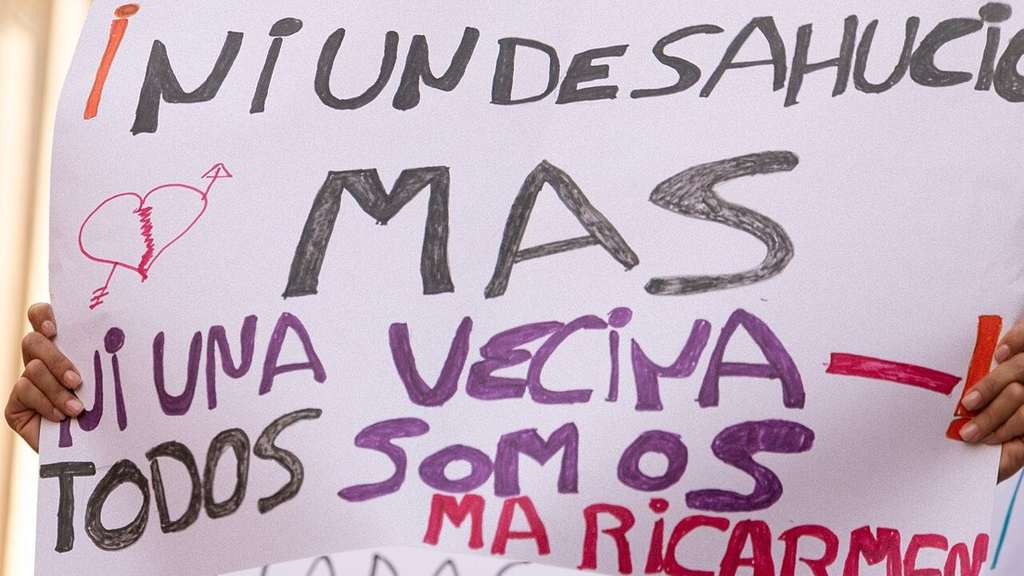
The strike follows weeks of demonstrations and encampments after the eviction and death of Maricarmen, an 87-year-old woman in Madrid. Parliament last month rejected government decrees aimed at curbing evictions and limiting rent pressures, and Prime Minister Pedro Sanchez called a snap election for November 29. AP reported that he called it on October 5.
Alicia del Rio, spokesperson for the Madrid Tenants' Union, said as the strike began: "We won't stop until we transform this country's housing model from top to bottom so that houses are for living instead of being at the service of the rentier minority."
Activists want tourist apartments ended, a crackdown on real estate speculation, and automatic lease renewals to protect renters. UGT and CCOO demand more government intervention in housing and a new minimum wage agreement through talks with the business owners association.
An election backdrop
Popular Party spokesperson Miguel Tellado said on Tuesday: "This strike is not a general strike; it is an electoral strike." Oriol Bartomeus, a professor of political science at the Autonomous University of Barcelona, said: "The Socialists need for the strike to be a success and for there not to be any violence so that the election campaign can swing back to being about housing, back in the framework of Maricarmen."
A walkout the day before
The strike came a day after train drivers walked out on Tuesday, November 10, demanding more investment in maintenance and safety, causing widespread travel disruption.
Timeline
- Nov 14, 2012UGT and CCOO held their last joint general strike.
- Oct 5, 2026AP reported that Prime Minister Pedro Sanchez called the snap election for November 29.
- Nov 10, 2026Train drivers walked out over maintenance and safety investment, causing widespread disruption.
- Nov 11, 2026The 24-hour general strike began at midnight.
- Nov 11, 2026Evening marches close the strike day in Madrid and Barcelona. The Interior Ministry reports 919 incidents and 52 arrests by 5 p.m. Unions say four million workers took part.
Sources
- Reuters via DevDiscourse: Workers across Spain stage first general strike in 14 years in anger over housing
- Associated Press via EuropeSays: Spain's first general strike in 14 years over housing
- Democrata: Spain returns to a general strike 14 years later with housing as the trigger and on the eve of 29N
- CNN: Millions of Spaniards stage first general strike in 14 years as anger rages over housing
- RTVE figures via Wrivid: Interior Ministry reports 919 incidents and 52 arrests by 5 p.m.
- AP via NPR/WHRO: Spain's workers hold a general strike over housing costs before national election